

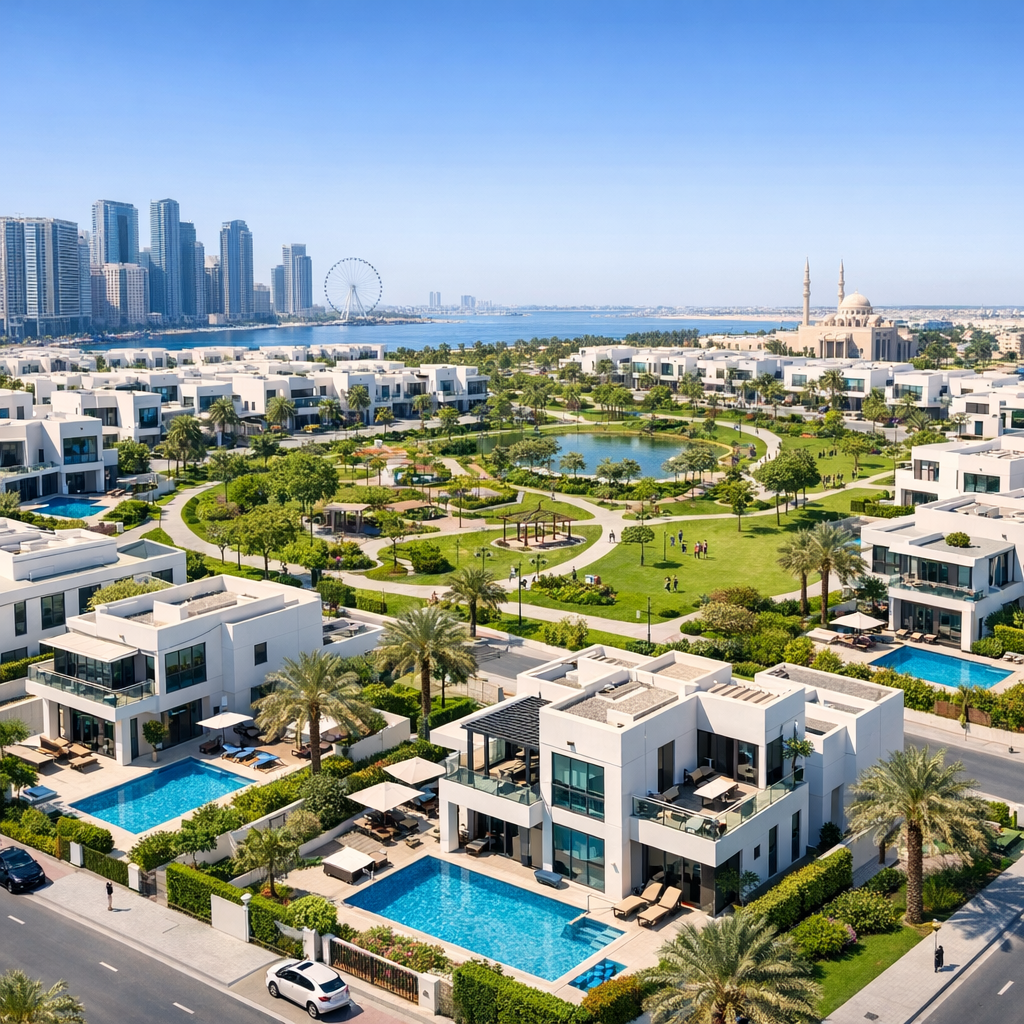







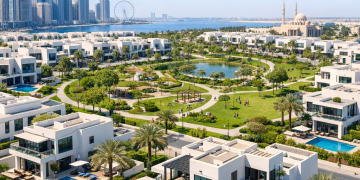


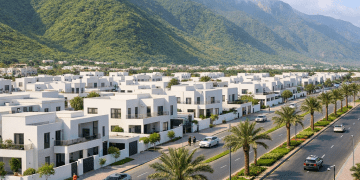

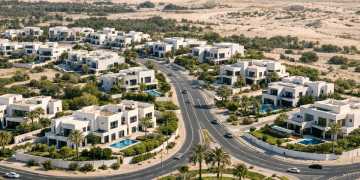









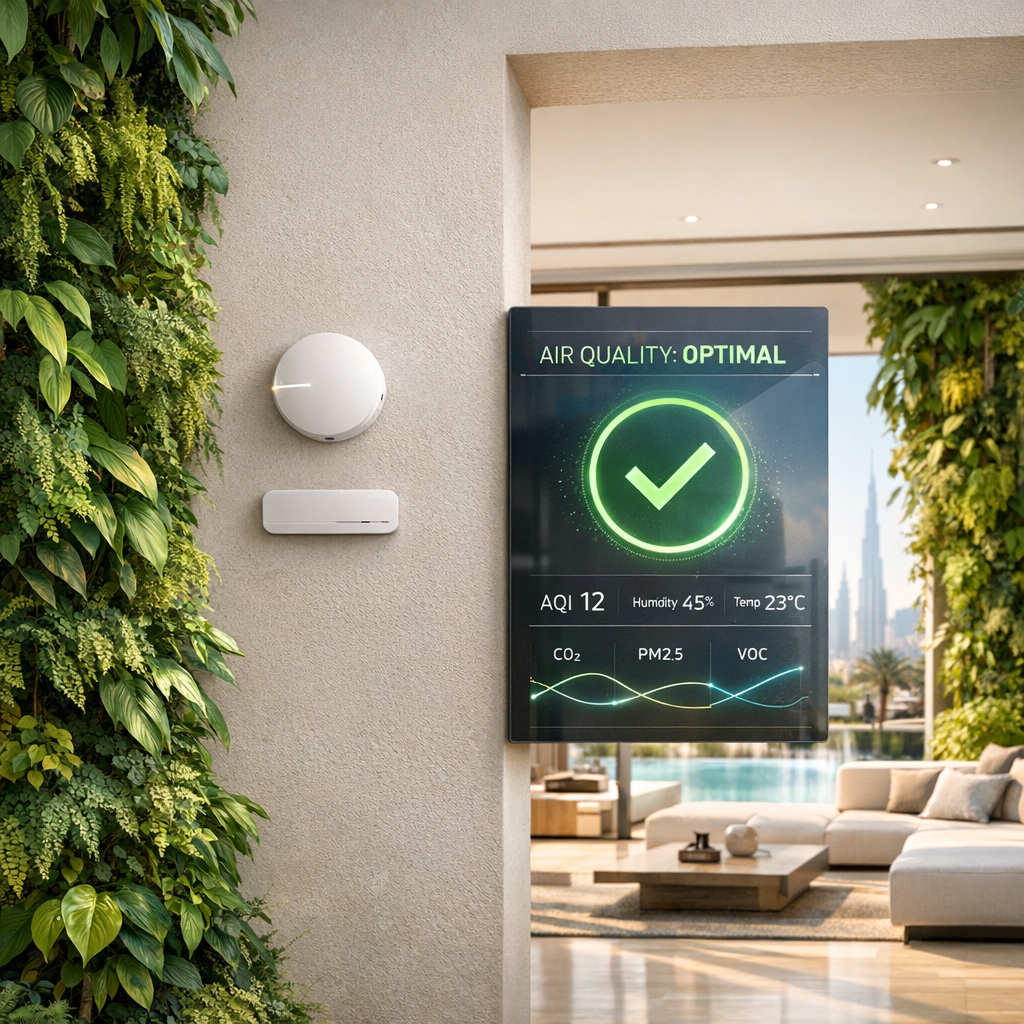


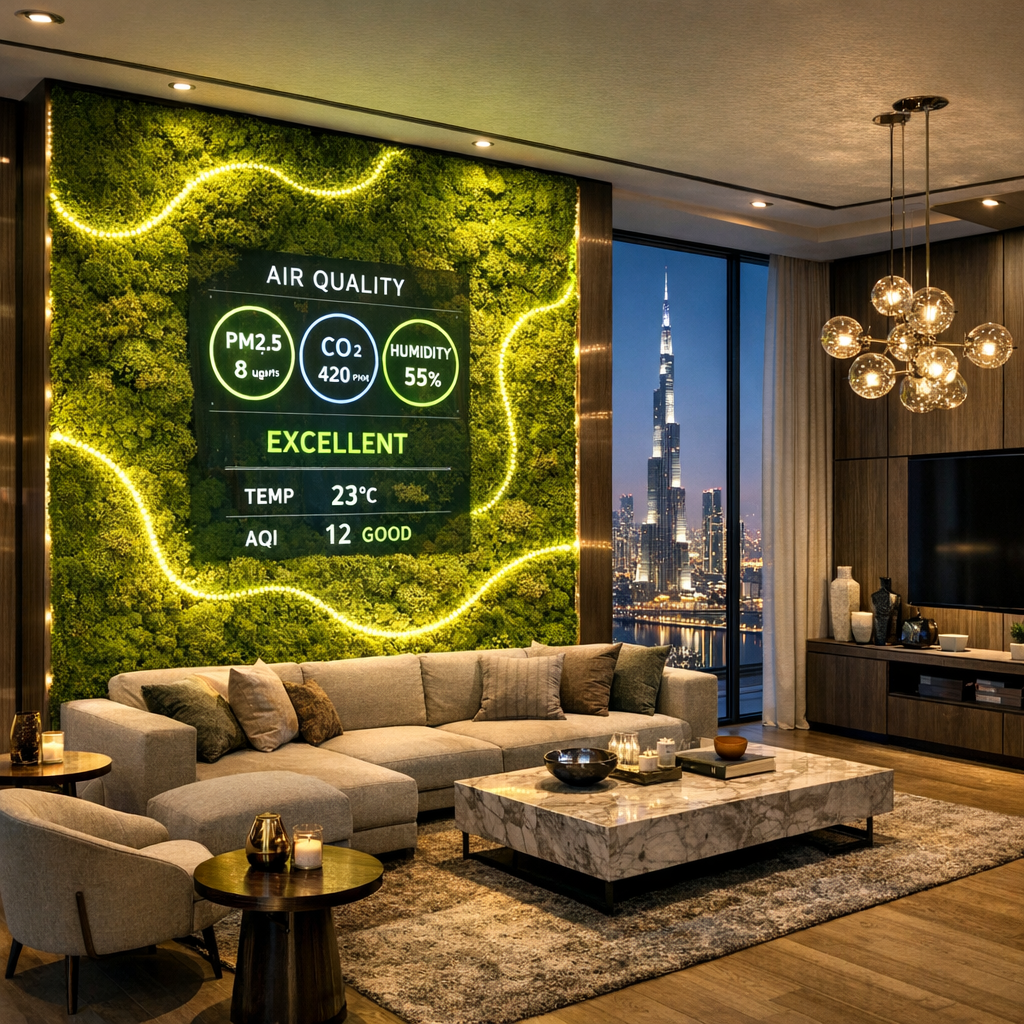

















As we move into the second half of 2026, the ‘Smart Home’ has evolved from a collection of fragmented apps into a single, unified ecosystem. The widespread adoption of the Matter 2.0 protocol in the UAE has finally solved the interoperability crisis, allowing residents to sync devices from different manufacturers seamlessly. For villa owners in areas like Arabian Ranches or Dubai Hills, this means your cooling system, smart blinds, and EV charger now speak the same language without requiring multiple hubs.
Technically, the shift focuses on local control rather than cloud dependency. This ensures that even if your internet connection flickers, your home automation remains functional. Residents are now investing in Matter-certified ‘Border Routers’—typically integrated into high-end smart TVs or soundbars—to act as the brain of the house. This setup significantly reduces the latency of automated responses, such as blinds closing automatically when the external temperature hits 40 degrees Celsius, a feature that is saving households an average of 12% on summer cooling costs.
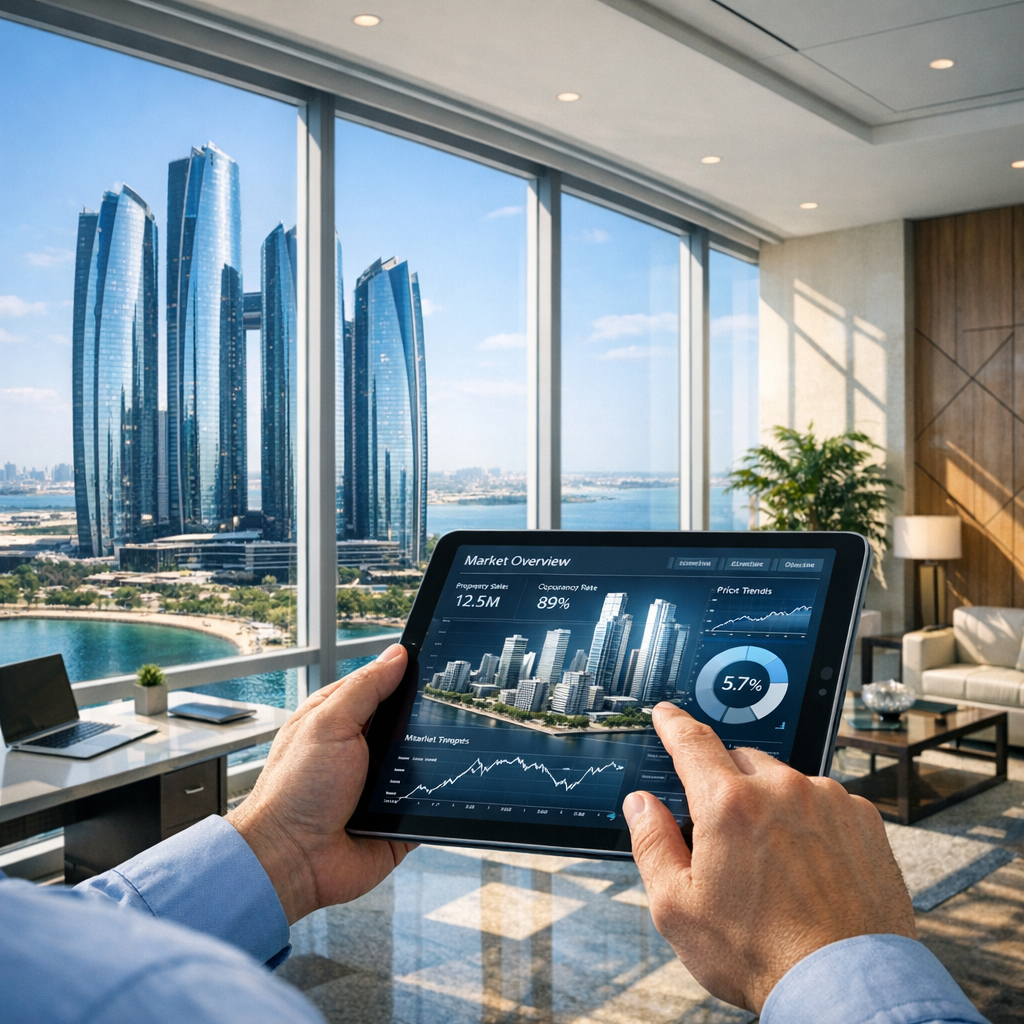
Setting up a unified home in 2026 is relatively cost-effective. A basic starter kit, including a central bridge and five sensor nodes, ranges between AED 1,800 and AED 3,200. The primary benefit is the ‘Zero-Commissioning’ feature; simply scanning a QR code adds any new appliance to your network instantly. Beyond convenience, this standardization is driving property values. Real estate listings that specify ‘Matter-Compliant Infrastructure’ are seeing a 4% premium as buyers prioritize homes that are future-proofed against technological obsolescence. For those looking to upgrade, focus on thread-enabled devices which create a self-healing mesh network, ensuring your smart locks in the basement stay connected to the hub on the first floor without additional wiring.