









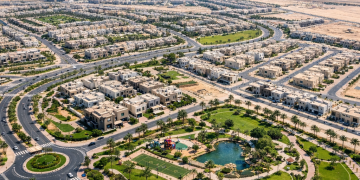


























The Abu Dhabi Department of Municipalities and Transport has recently updated its urban planning framework to prioritize the creation of dedicated family zones. This move aims to strictly separate residential areas from commercial and industrial activities, ensuring that neighborhoods remain quiet, safe, and focused on community well-being. By refining these zoning laws, the government is making a clear statement about the long-term livability of the capital, which directly translates into sustained property values for homeowners.
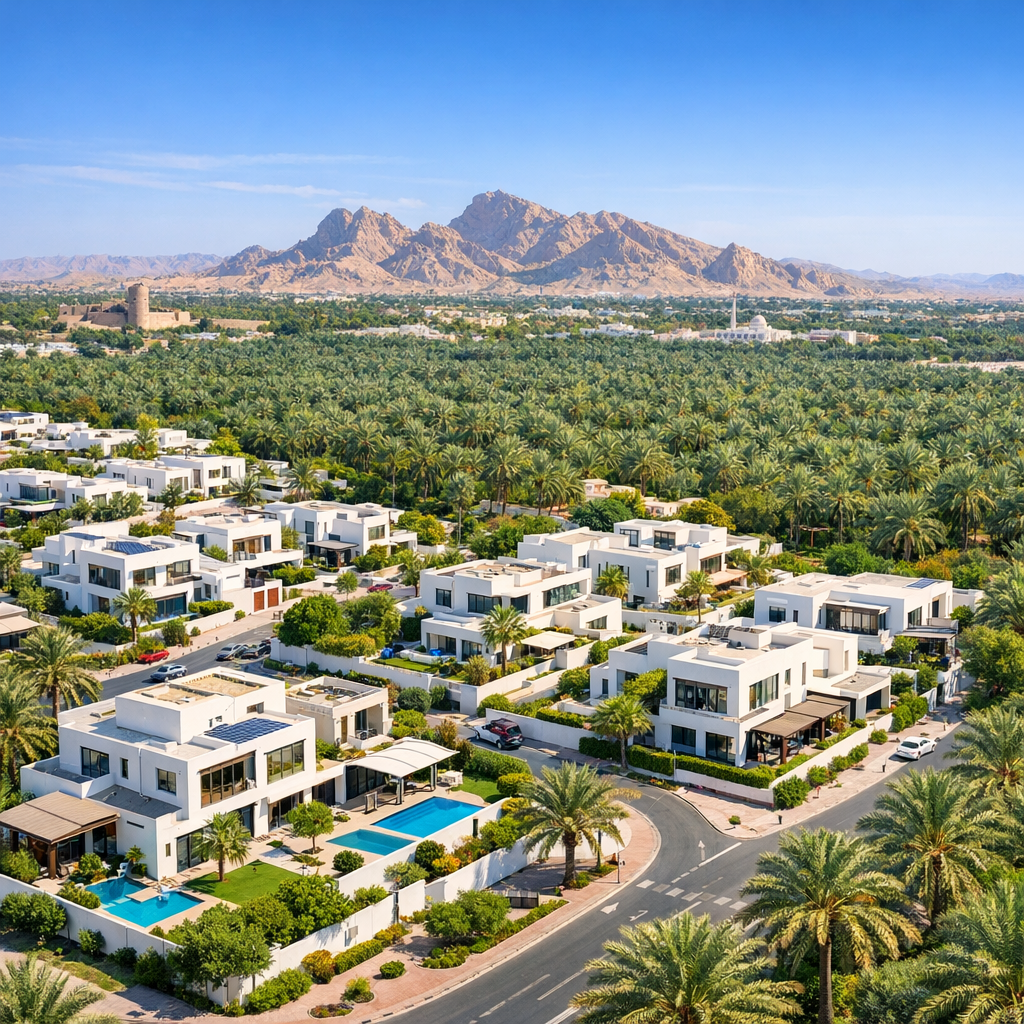
These new regulations are designed to foster environments where schools, parks, and healthcare facilities are within walking distance of residential clusters. This ‘neighborhood-first’ approach reduces traffic congestion and enhances the safety of children and pedestrians. For investors, this provides a higher level of certainty, as the character of a residential district is now legally protected against disruptive commercial expansion.
Industry experts suggest that this shift will drive a new wave of demand for villas and townhouses in established areas like Khalifa City and Mohamed bin Zayed City. As the city grows, these protected enclaves will become increasingly desirable, offering a high quality of life that is difficult to find in other global metropolises. The focus is on building a stable, resilient market where families feel confident in their long-term investment. This policy also supports the UAE’s broader goals of social stability and economic diversification by making the capital an even more attractive destination for international talent looking for a permanent home. The commitment to maintaining the integrity of residential spaces shows the maturity of the Abu Dhabi real estate sector and its ability to adapt to the needs of its residents.