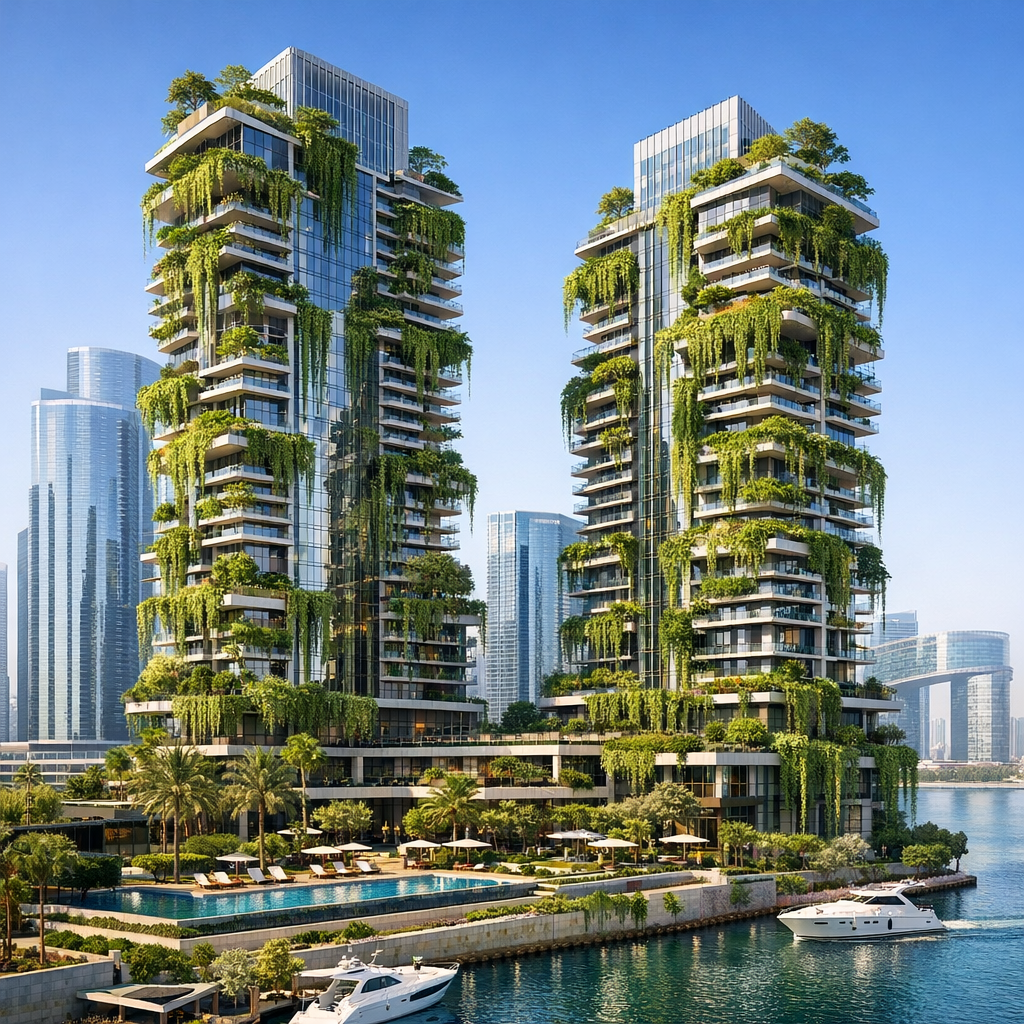







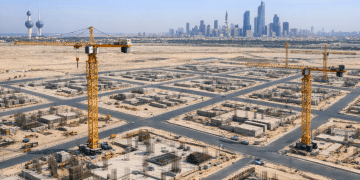





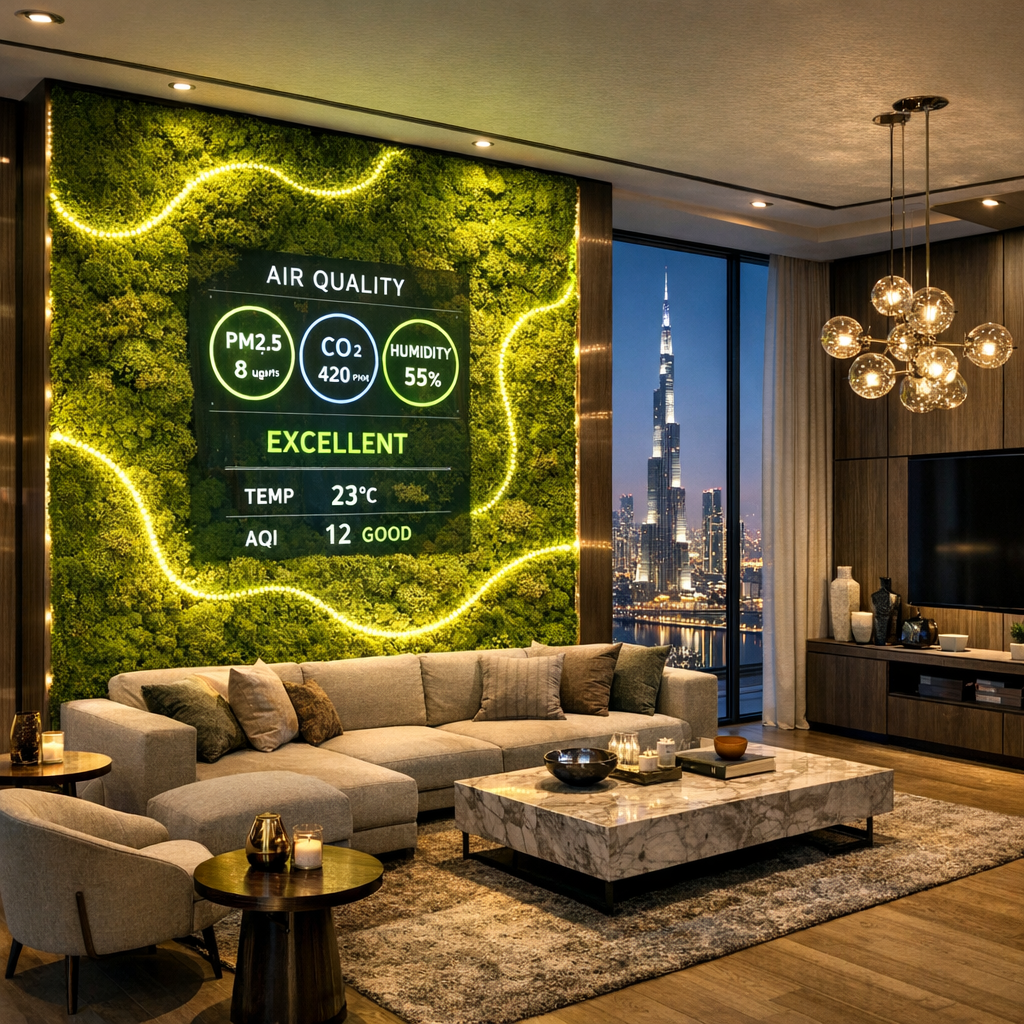


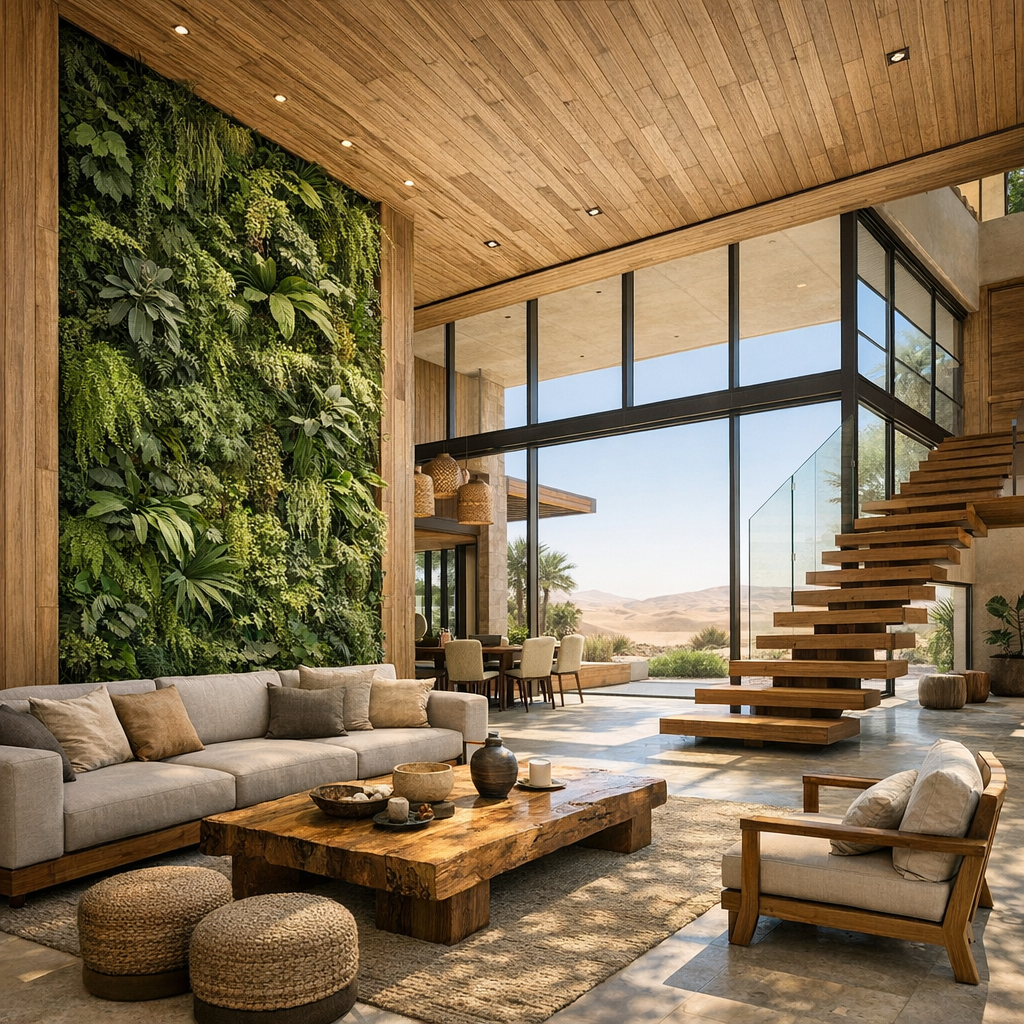
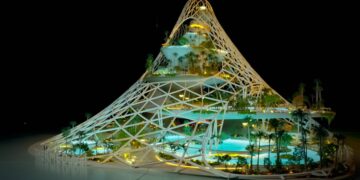






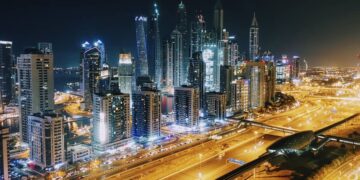

Abu Dhabi’s skyline is set for a green transformation following a landmark government announcement aimed at incentivizing sustainable architecture. Early this morning, the Department of Municipalities and Transport unveiled a new subsidy program specifically for developers on Al Reem Island. The initiative offers a 15% reduction in municipal and service fees for buildings that incorporate ‘Vertical Forest’ designs—extensive living walls and rooftop greenery that cover at least 30% of the building’s exterior. This policy is a strategic response to the growing global demand for wellness-centric living spaces. By encouraging developers to integrate nature into high-rise structures, Abu Dhabi is taking a proactive step toward urban cooling and reducing the ‘heat island’ effect common in dense city centers. For residents, these green additions mean improved air quality, natural insulation that lowers cooling costs, and a significantly enhanced quality of life. Al Reem Island, already a popular hub for professionals and families, is the ideal testing ground for this initiative. The island’s high-density layout provides the perfect opportunity to demonstrate how vertical greenery can coexist with modern luxury. Early feedback from the development community has been overwhelmingly positive, with several major firms already revising their upcoming project blueprints to meet the new standards. The incentives are expected to drive a new wave of eco-luxury investment. Properties that meet these green standards are likely to command higher premiums in both the rental and resale markets, as modern tenants increasingly prioritize sustainability and access to green spaces. This move further solidifies Abu Dhabi’s reputation as a city that balances rapid urban expansion with environmental responsibility. Beyond the immediate benefits to property values, the program supports the UAE’s broader Net Zero goals. By making sustainable development financially attractive, the government is ensuring that the real estate sector remains a pillar of the national economy while contributing to a healthier, more resilient urban environment for future generations.
- Latest
- Trending