








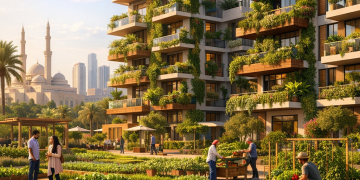









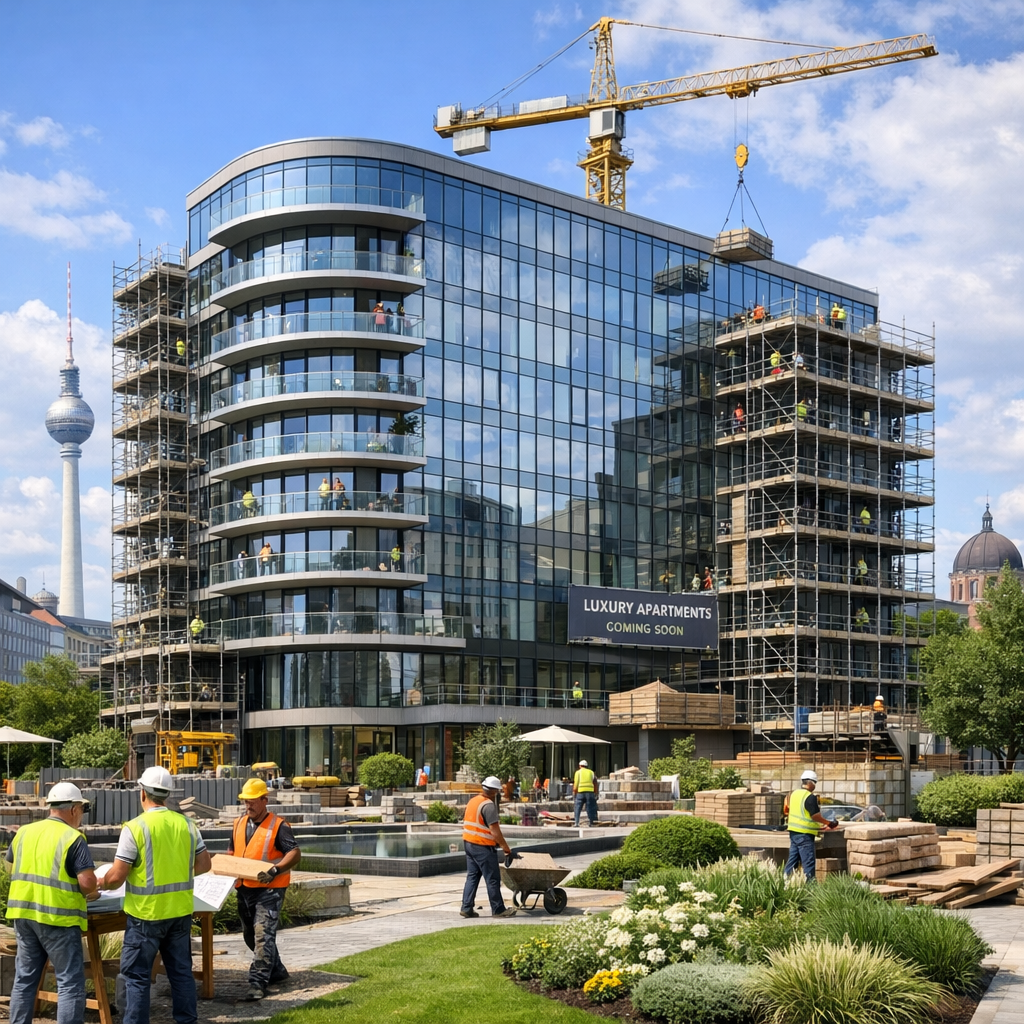





















Singapore has officially declared 2026 as its ‘Year of Climate Adaptation,’ introducing a comprehensive National Adaptation Plan that sets new global standards for commercial real estate resilience. The centerpiece of this initiative is a series of aggressive tax rebates and grants aimed at retrofitting the city-state’s iconic skyline with carbon-capturing facades and advanced heat-resilient materials. As rising global temperatures threaten urban density, Singapore is moving to ensure its commercial assets remain both viable and environmentally responsible.
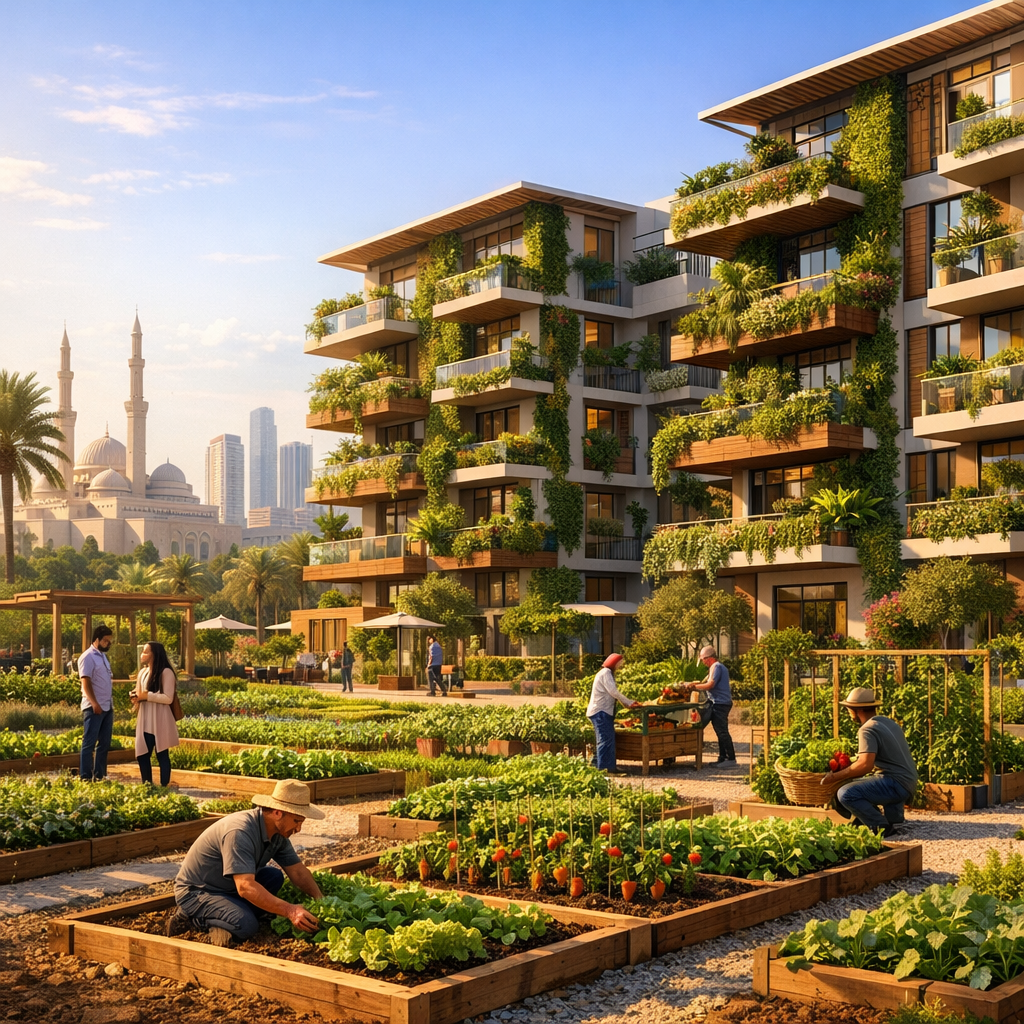
The new framework allows businesses to use high-quality international carbon credits to offset up to five percent of their taxable emissions, provided they invest in on-site green technologies such as vertical forests and atmospheric cooling systems. For property owners, the ‘Energy Efficiency Grant’ now covers up to 50 percent of the costs for installing next-generation smart-glass and solar integration. This policy pivot is intended to maintain Singapore’s status as a top-tier global financial hub while addressing the physical risks of climate change.
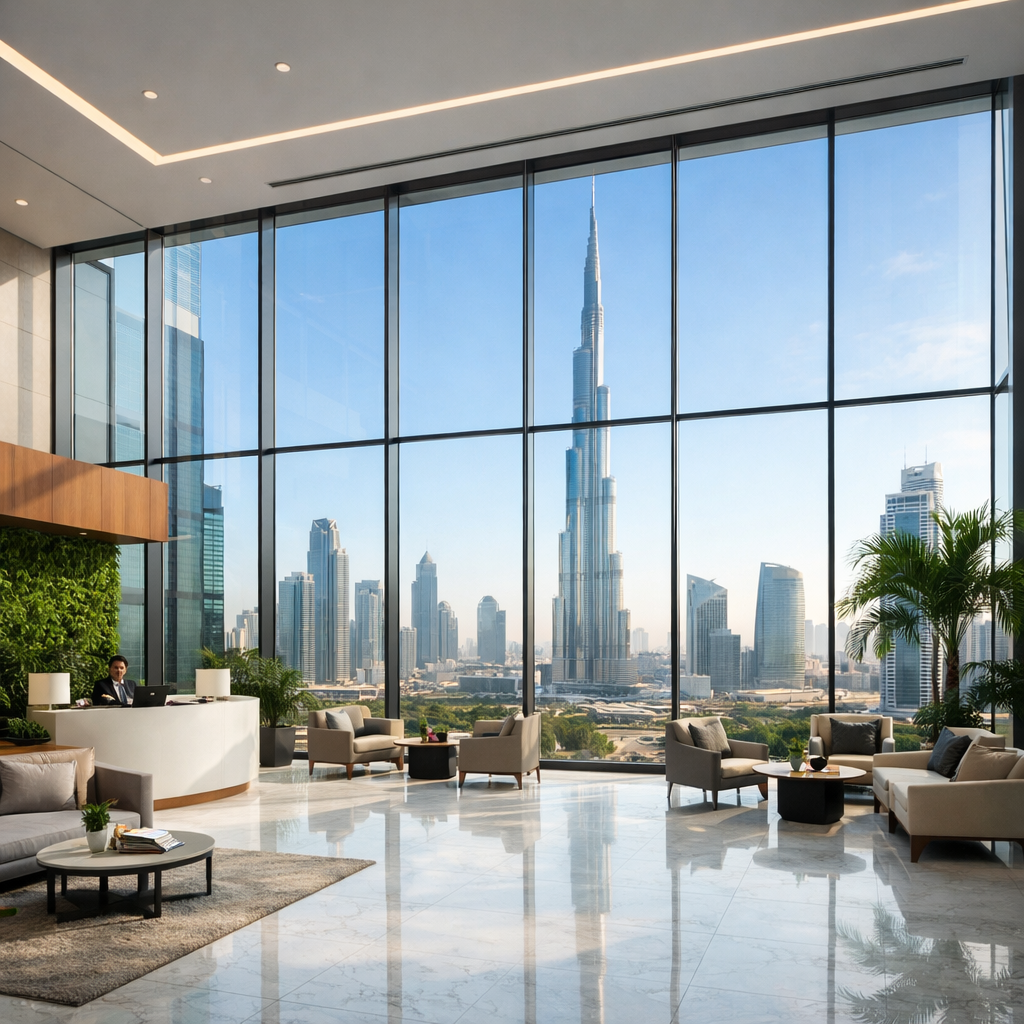
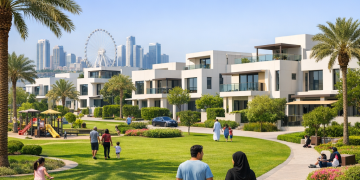
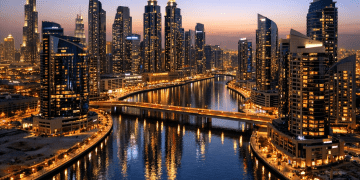
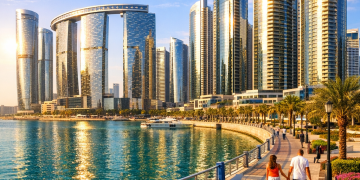
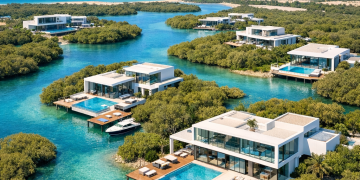
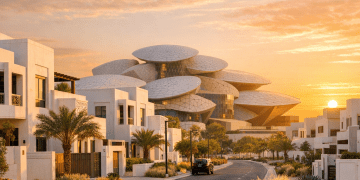
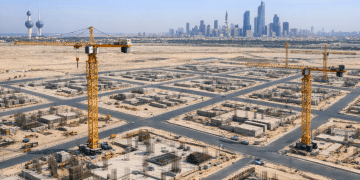
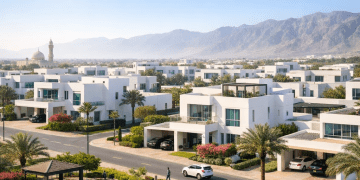
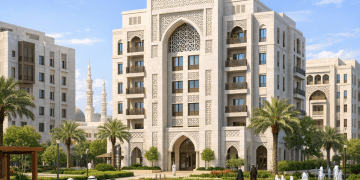
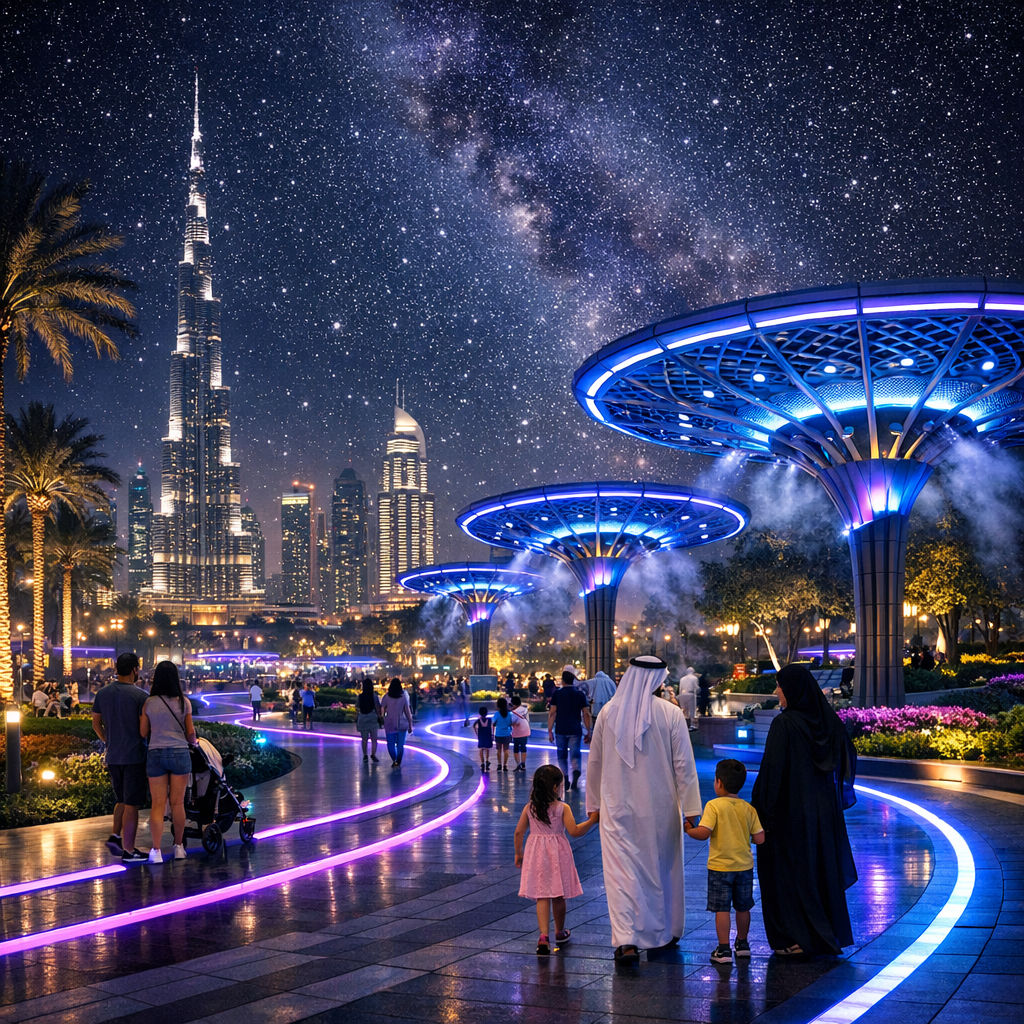
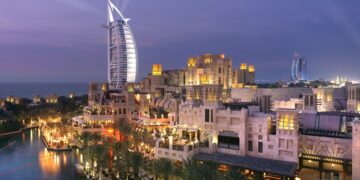
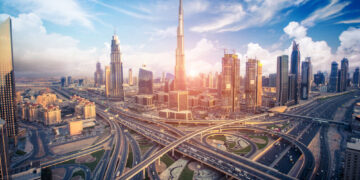
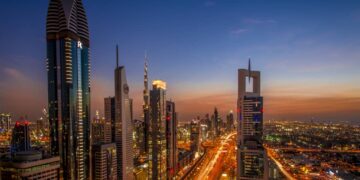
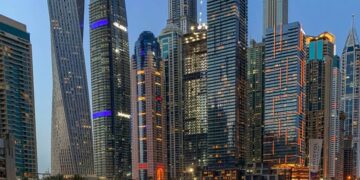
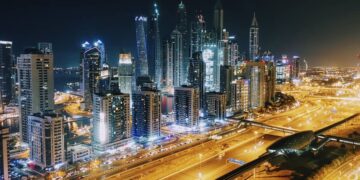
This strategic focus on sustainability mirrors the progress seen in the UAE, where the property sector has already integrated similar green mandates. Dubai’s recent laws requiring ‘Living Walls’ and solar-glass standards for all new skyscrapers demonstrate a shared vision for the future of urban living. However, the UAE’s market offers a unique advantage: much of its prime real estate is newly constructed, allowing developers to integrate these technologies during the initial build phase rather than through expensive retrofits. This makes UAE properties inherently more efficient and attractive to institutional investors who are increasingly prioritizing ESG compliance. As Singapore and the UAE lead the charge in green urbanism, the gap between sustainable high-growth markets and traditional, less efficient property sectors continues to widen.

