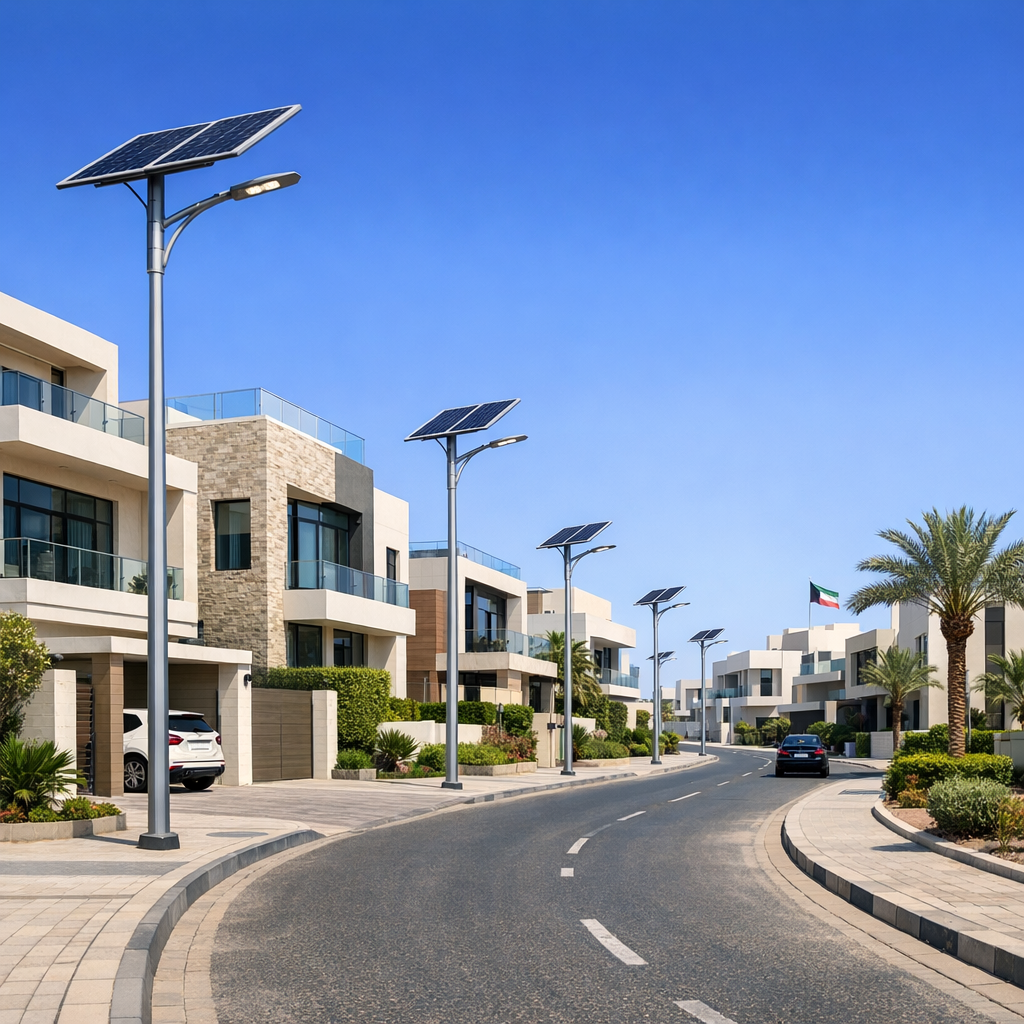


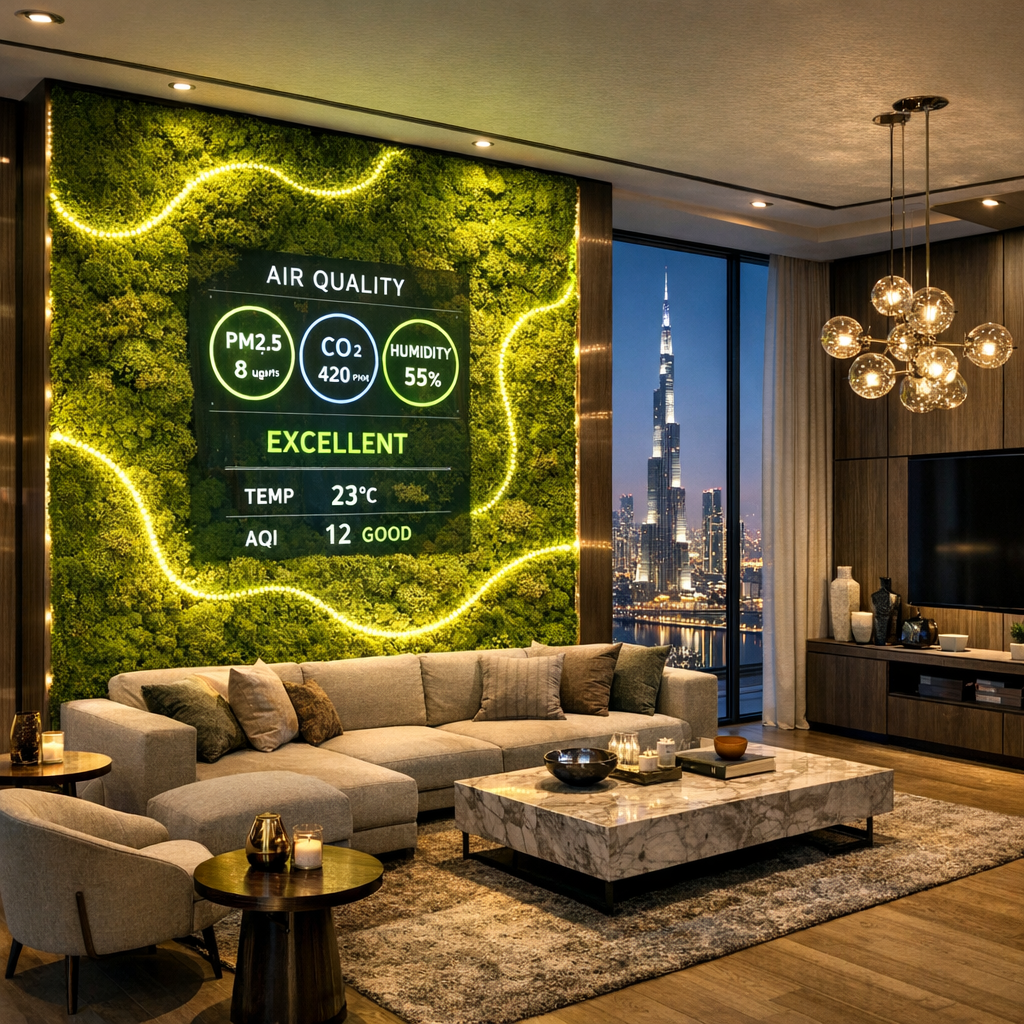


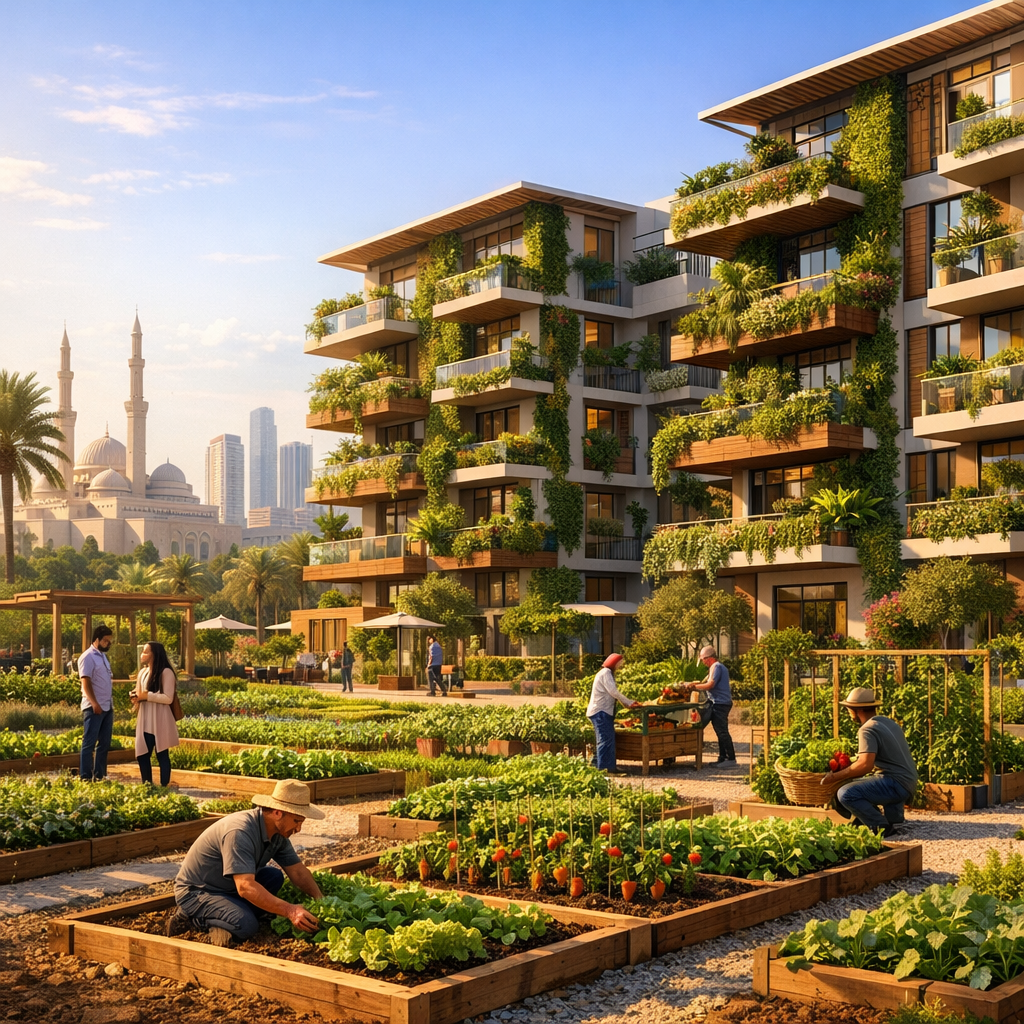
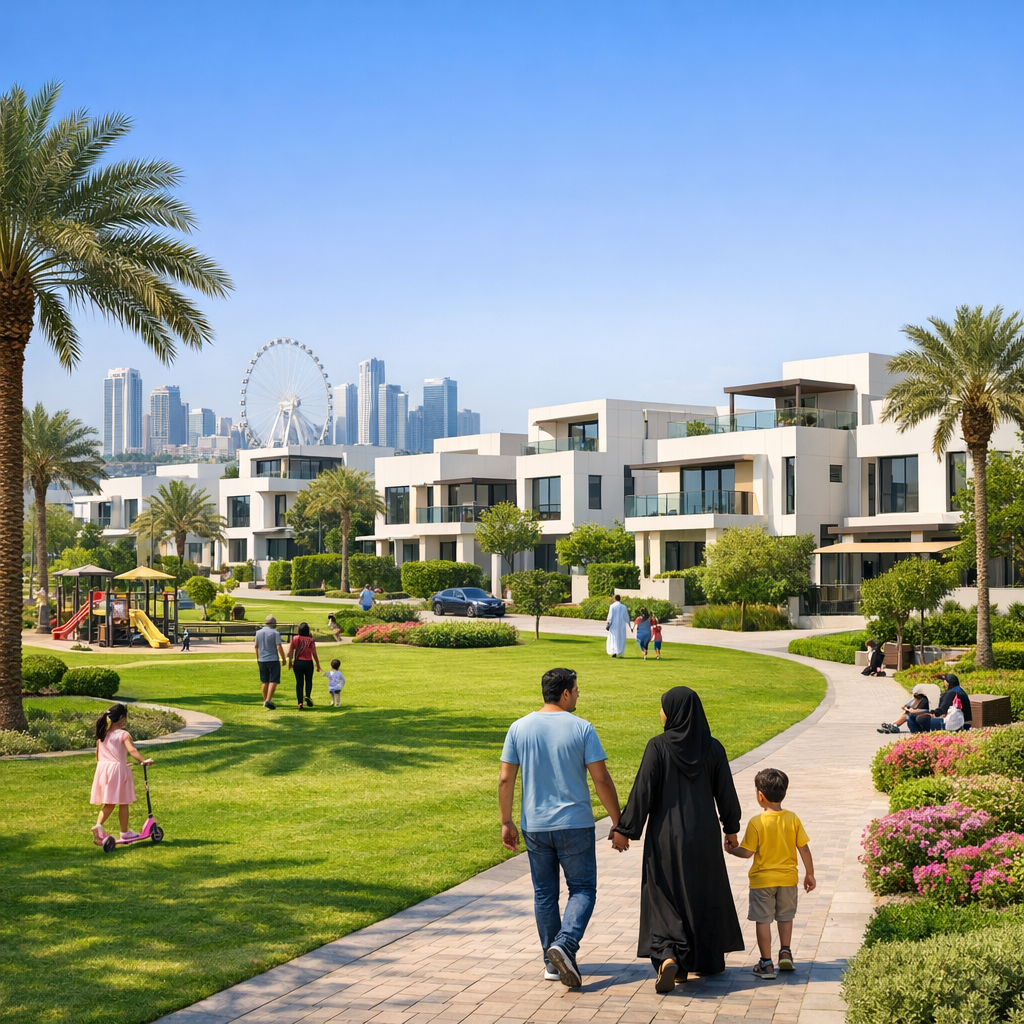















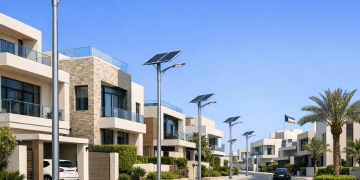

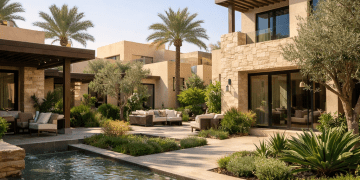

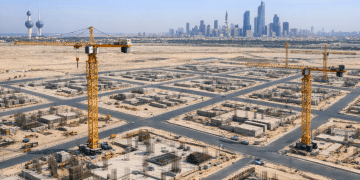


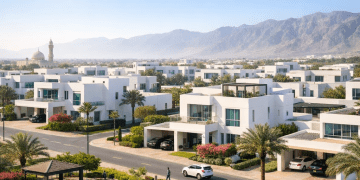
































Kuwait’s Public Authority for Housing Welfare (PAHW) has reached a significant milestone by approving the integration of AI-managed smart grids for the upcoming South Abdullah Al-Mubarak residential district. This initiative represents a major shift in how Kuwait designs its master communities, focusing on extreme energy efficiency and lower utility costs for future homeowners. The smart grid technology will allow for real-time monitoring of electricity consumption across the district, automatically adjusting loads to prevent outages and optimizing the distribution of power during peak summer months. For the real estate market, this is a significant value-add. Modern Kuwaiti families are increasingly looking for homes that are not only spacious but also sustainable and cost-effective to maintain. By embedding this technology into the foundation of new districts, the government is ensuring that these areas remain highly desirable and retain their value over the long term. This infrastructure push also supports the country’s goals to reduce its overall carbon footprint while meeting the high demand for new housing units. Developers are already noting a surge in interest for the South Abdullah Al-Mubarak area, as the promise of ‘smart living’ becomes a tangible reality. This project serves as a pilot for future developments across the country, signaling a new era where Kuwaiti real estate is defined by technological sophistication and environmental responsibility. The success of this smart grid rollout is expected to attract further private sector investment into Kuwait’s infrastructure, fostering a more dynamic and resilient property sector that can keep pace with the needs of a growing population.
- Latest
- Trending