


















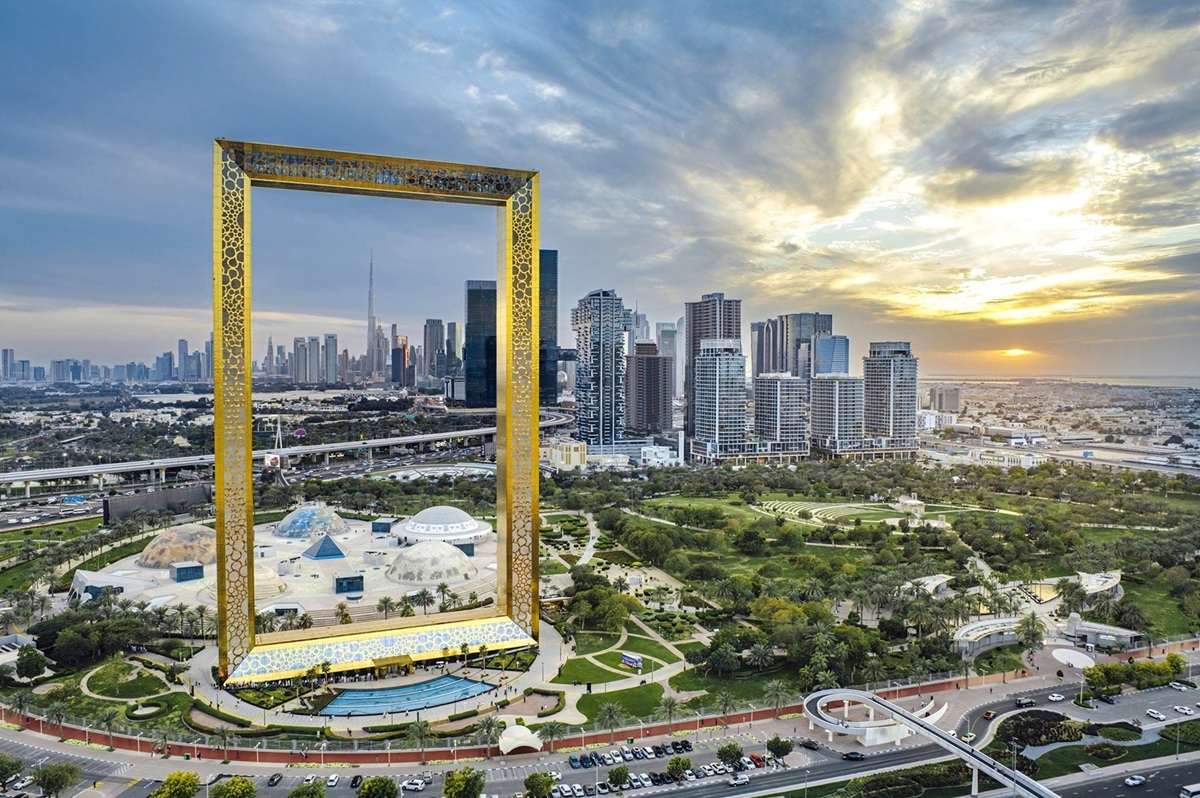



















Dubai’s residential rental market is entering a more selective phase as regional geopolitical uncertainty influences tenant behaviour. However, new market insights confirm that the emirate’s real estate sector continues to demonstrate strong resilience, supported by confident landlords, steady off-plan sales activity, and consistent end-user demand across key communities.
Recent analysis from Betterhomes and Smart Bricks shows that while tenant enquiries have softened compared with the exceptionally strong leasing cycle seen last year, the market is undergoing a natural adjustment rather than a slowdown. This trend reinforces Dubai’s position as one of the region’s most stable and shock-resistant real estate markets.
Leasing lead volumes are currently estimated to be around 30–40% lower than the same period in 2025. Despite this moderation, enquiry activity showed signs of recovery in early March, rising roughly 20% week-on-week and briefly aligning with last year’s mid-month demand levels.
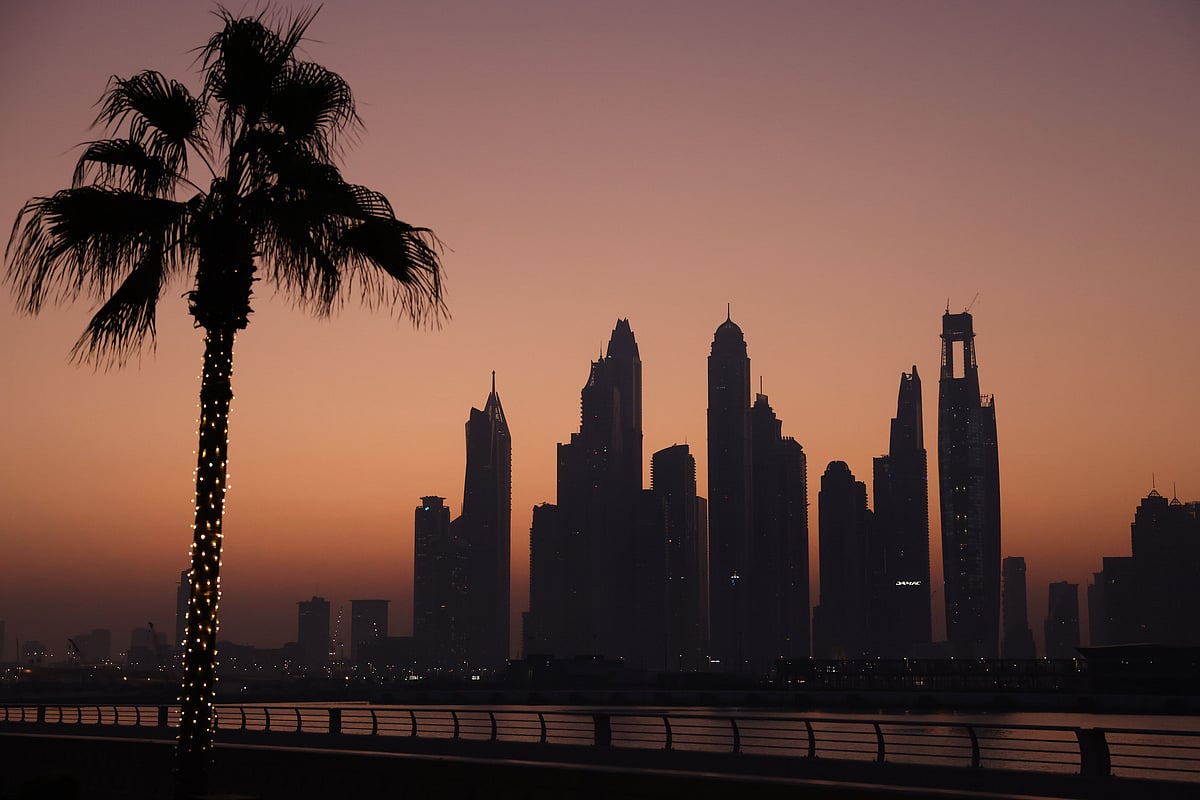
Search activity remains concentrated in established lifestyle and mid-market locations such as Dubai Marina, Business Bay, Jumeirah Village Circle (JVC), and Dubai Silicon Oasis. These communities continue to attract tenants seeking connectivity, affordability, and quality living environments.
Market experts suggest that leasing performance is now being influenced more by pricing realism and tenant expectations rather than any significant drop in underlying demand. At the same time, rental listings have increased by about 23%, while tenant enquiries declined approximately 16% compared with March last year, giving renters more options and encouraging landlords to adopt flexible leasing strategies.
Importantly, there are no signs of stress-driven property exits from landlords. Data from Smart Bricks indicates that residential listings across major UAE portals increased only modestly from 105,300 units in February to around 110,800 units by mid-March—far below the levels typically associated with distressed selling during geopolitical shocks.
A survey of over 600 Dubai-based landlords further confirms strong confidence in the market. Around 85% reported they are not considering selling under current conditions, while only a small number indicated willingness to accept prices below previous expectations.
Transaction activity also highlights continued investor confidence. Between late February and mid-March, Dubai recorded more than 6,000 residential transactions valued at Dh20.2 billion, with nearly 63% concentrated in the off-plan segment. This reflects sustained interest in long-term investment opportunities rather than short-term speculative activity.
Meanwhile, ready-property purchases are increasingly being driven by end-users and rent-ready investors, signalling a shift toward stability-focused demand patterns.
Dubai’s property market continues to benefit from strong structural fundamentals, including population growth, expanding Golden Visa eligibility, and increasing global investor diversification into the emirate. High-net-worth buyers from Europe, Asia, and emerging markets continue to view Dubai as a preferred destination offering geopolitical neutrality, tax efficiency, and lifestyle advantages.
Rental yields across Dubai remain among the most attractive globally, averaging between 6% and 8%, significantly higher than returns in cities such as London, Singapore, and New York. These returns continue to support investor appetite even as leasing activity recalibrates.
Analysts note that geopolitical uncertainty typically impacts Dubai’s market through longer transaction timelines and more selective tenant decisions rather than immediate price corrections. Current conditions reflect exactly this pattern.
Supported by a strong non-oil economy, healthy banking liquidity, and sustained infrastructure investment, Dubai’s real estate sector continues to show stability. Overall, the market is demonstrating signs of adjustment rather than contraction, with landlords holding firm and long-term capital continuing to flow toward fundamentally strong residential assets.