













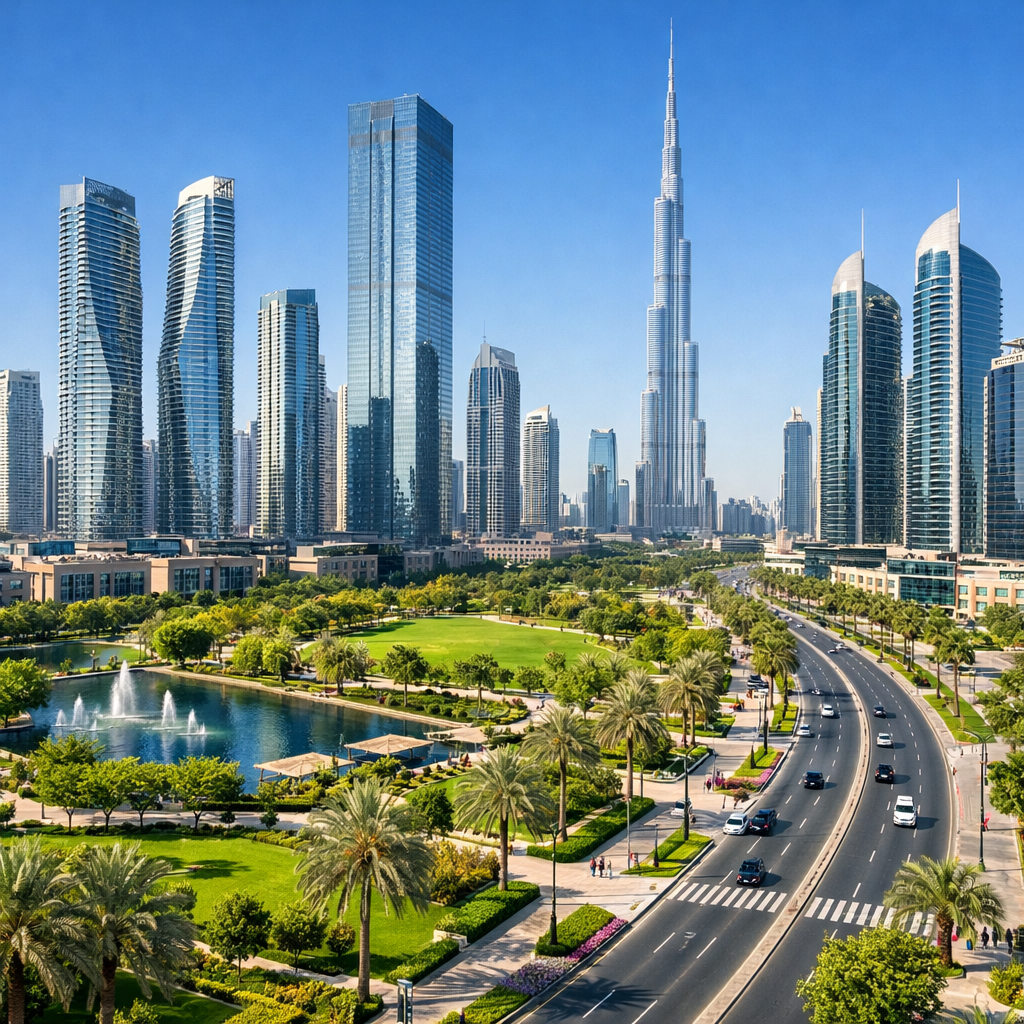
















Dubai’s rental market delivered an impressive performance in 2025, highlighting the emirate’s real estate stability and growing operational maturity. The sector’s growth was fueled by sustained demand, a wide mix of residential offerings, and transparent regulatory systems governing landlord-tenant relationships.
Data from Dubai Land Department revealed that registered tenancy contracts rose by 6% in volume and 17% in total value compared to 2024. The total number of contracts reached 1.38 million, with an overall value of AED126.4 billion ($34.44 billion), reflecting strong market activity across residential and commercial segments.
New tenancy contracts surpassed 513,000, marking a 10% increase and underscoring Dubai’s continued appeal as a global destination for living and working. Meanwhile, renewed contracts climbed by 3% to over 514,000, signaling improved tenant retention and satisfaction.
This balanced growth aligns with the objectives of the Dubai Economic Agenda D33 and the Dubai Real Estate Sector Strategy 2033, both of which emphasize sustainable market development, enhanced quality of life, and a balanced ecosystem between renting and ownership.
The rental sector continues to play a crucial role as a gateway to homeownership while supporting broader social and economic stability. Its strength contributes to building a resilient real estate ecosystem capable of sustaining long-term growth.
In parallel, the pace of project completion accelerated in 2025. A total of 124 projects were delivered, reflecting a 7% increase in volume and a 23% rise in value to AED27.5 billion. Additionally, projects under construction surged by 25% to 937, demonstrating strong developer confidence and future supply momentum.
Property sales also recorded significant gains, with 147,500 units sold—a 25% increase—reaching a total value of AED280 billion, up 30%. Notably, villa sales value rose by 12% despite lower transaction volumes, indicating a shift toward premium and higher-value properties.
On the regulatory front, the market experienced substantial expansion in licensing activity. A total of 4,122 new real estate offices were registered, marking a 102% increase and bringing the total number of active offices to 10,182. This growth reflects rising demand for brokerage, property management, and consultancy services within a well-regulated environment.
In 2025, authorities issued 14,364 real estate licenses across multiple activities. These included 6,009 licenses for sales and purchase brokerage, 3,513 for leasing brokerage, and 2,126 for transaction follow-up services. Additional licenses covered land trading, development, mortgage brokerage, property management, and consultancy services.
This broad expansion highlights the effectiveness of licensing as a regulatory tool that enhances transparency, supports operational efficiency, and fosters a dynamic business environment.
Overall, the combined strength of the rental market, project delivery pipeline, and licensing ecosystem reflects Dubai’s advanced institutional maturity. It also reinforces confidence among investors and stakeholders, positioning the emirate’s real estate sector for sustained growth, stability, and long-term resilience.