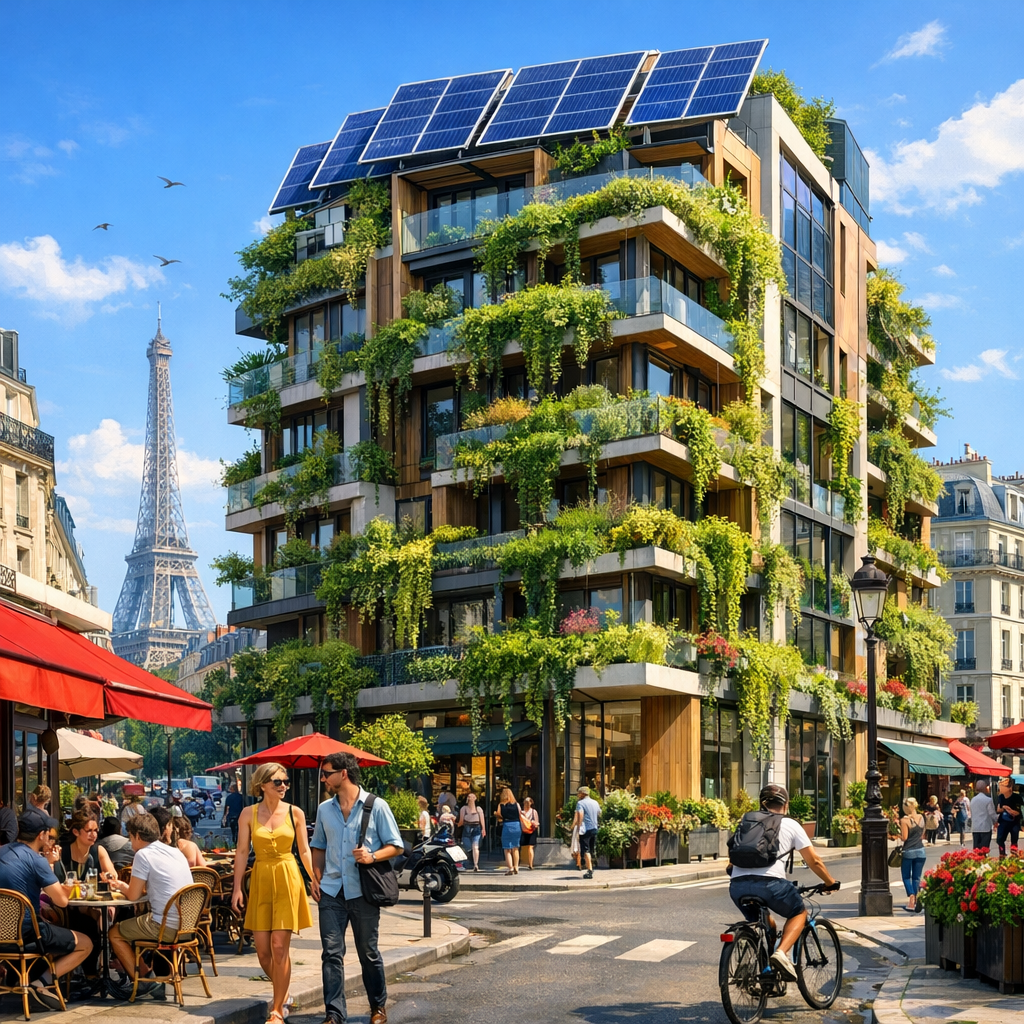
































The Paris residential market is undergoing its most significant evolution in decades as the city’s ‘Local Bioclimatic Urban Plan’ reaches full implementation this April 2026. This ambitious framework has fundamentally changed how developers approach new projects, mandating a minimum percentage of green space for every square meter built and enforcing strict carbon-neutral construction methods. While these regulations initially raised concerns about supply, they have instead triggered a flight to quality, with ‘green-certified’ homes now commanding a 20% premium over traditional Haussmann-style apartments.
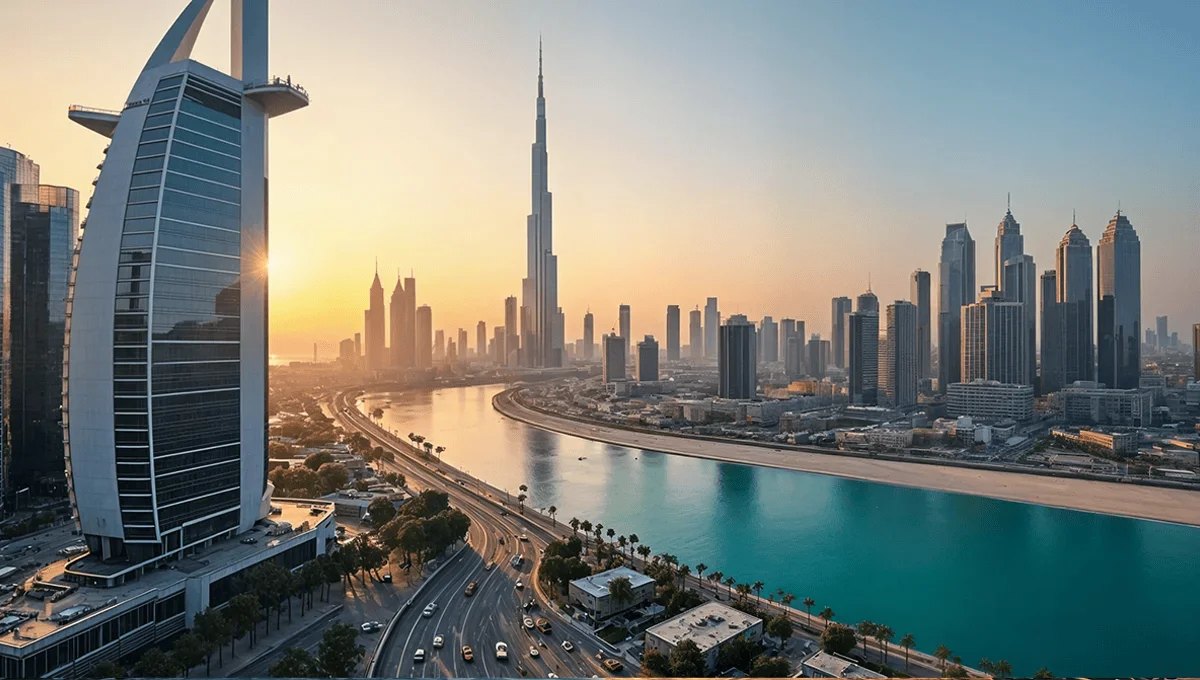
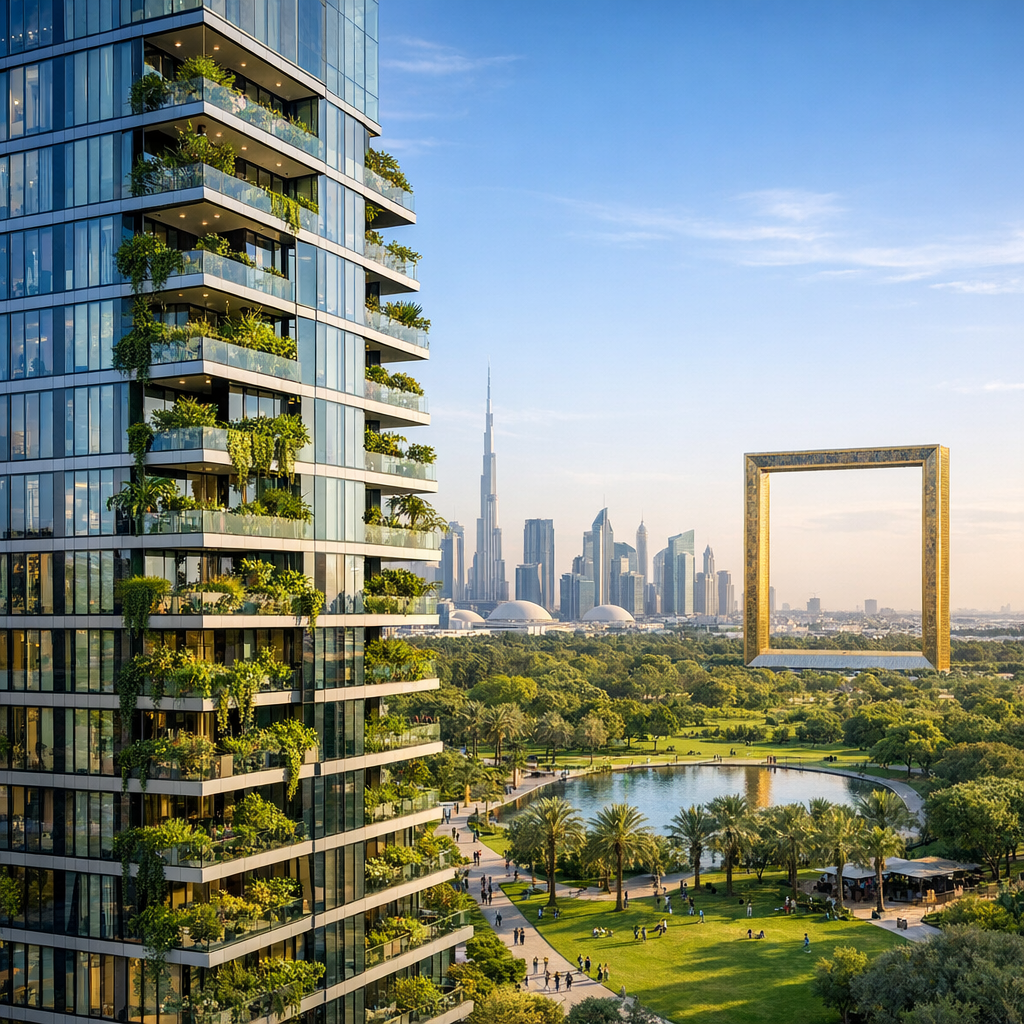
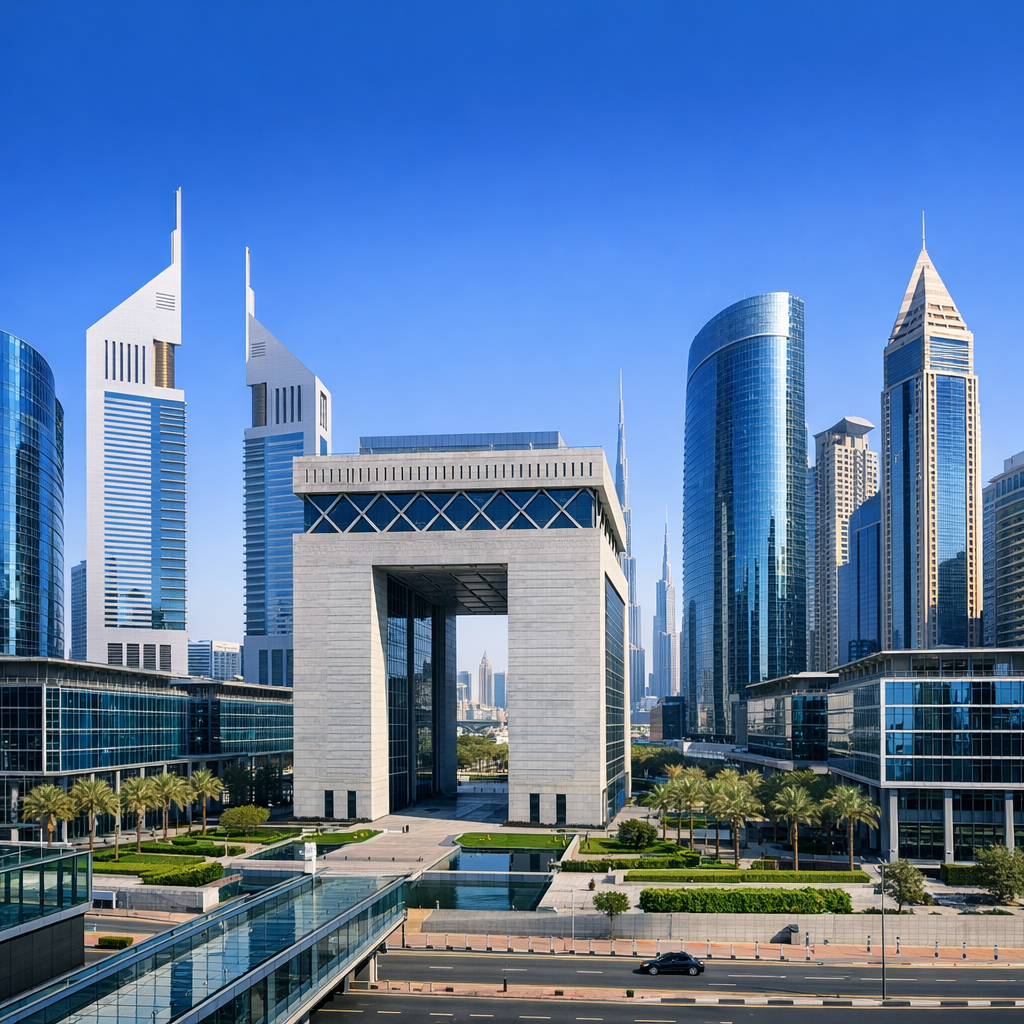
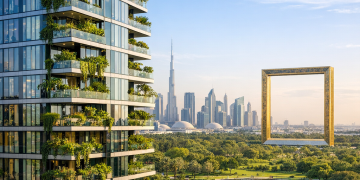
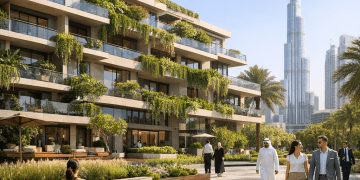
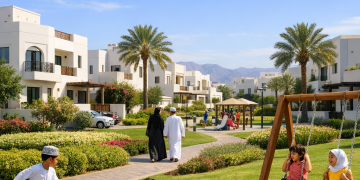
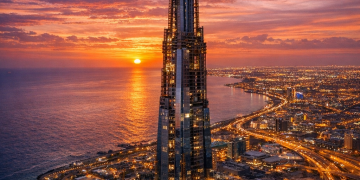
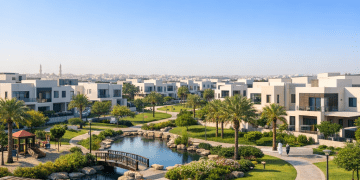
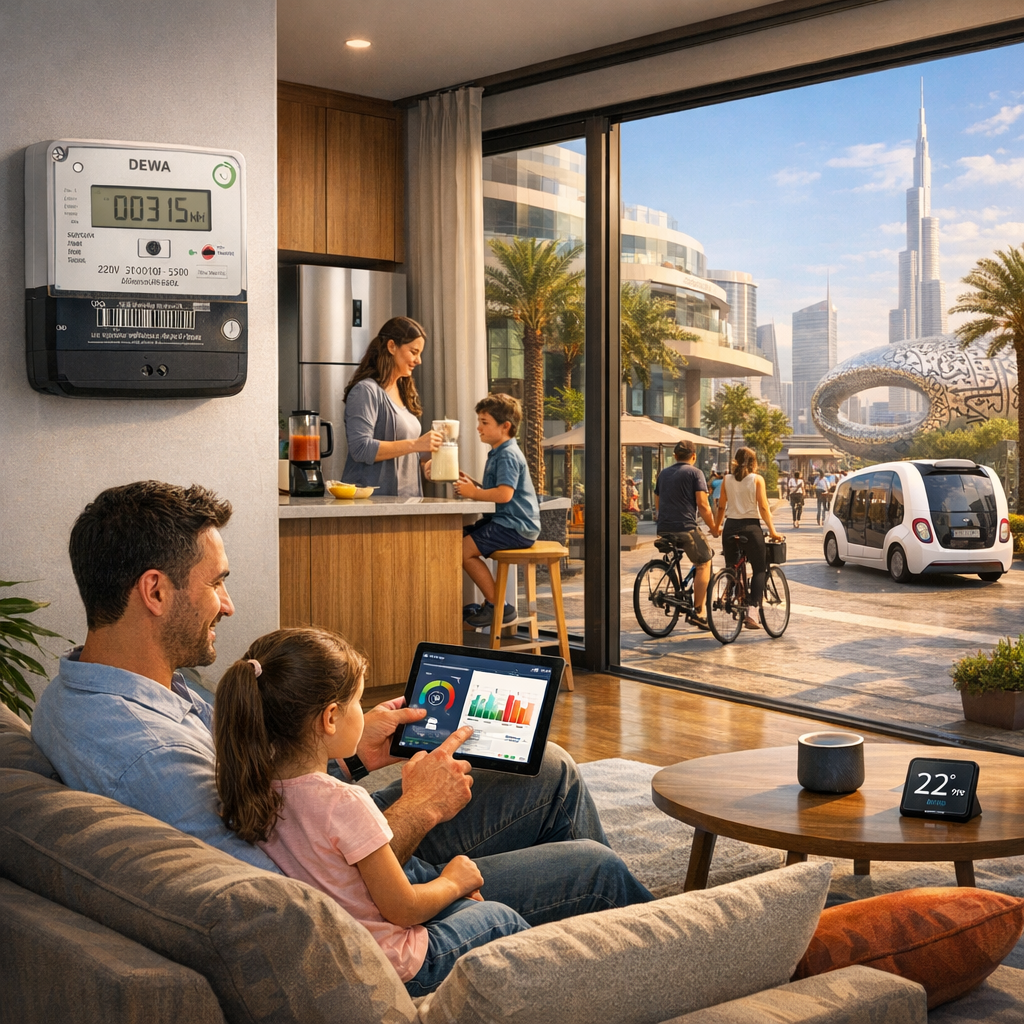
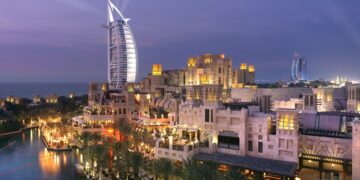
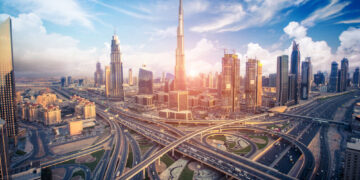
This transition toward sustainable urbanism in Paris aligns perfectly with the global trend of wellness-centric real estate, a sector where the UAE has already established itself as a leader. Dubai’s focus on integrating green lungs and sustainable technology into its master plans provides a blueprint for how modern cities can evolve without losing their historical soul. In Paris, the new standards are attracting a demographic of high-net-worth individuals who prioritize environmental impact alongside luxury. These buyers are looking for homes that offer vertical gardens, advanced air filtration, and energy-independent systems.
Real estate analysts note that the Bioclimatic Plan is also decentralizing the luxury market. Neighborhoods that were once considered peripheral are now seeing the launch of flagship eco-luxury projects, drawing investment away from the crowded city center. This diversification of the market ensures long-term stability and prevents the price bubbles often seen in less regulated environments. The success of these green initiatives in Paris reinforces the idea that sustainability is no longer a niche preference but a core driver of property value. As the city prepares for its next phase of growth, the marriage of historical aesthetics and cutting-edge environmental technology is setting a new standard for European living.