
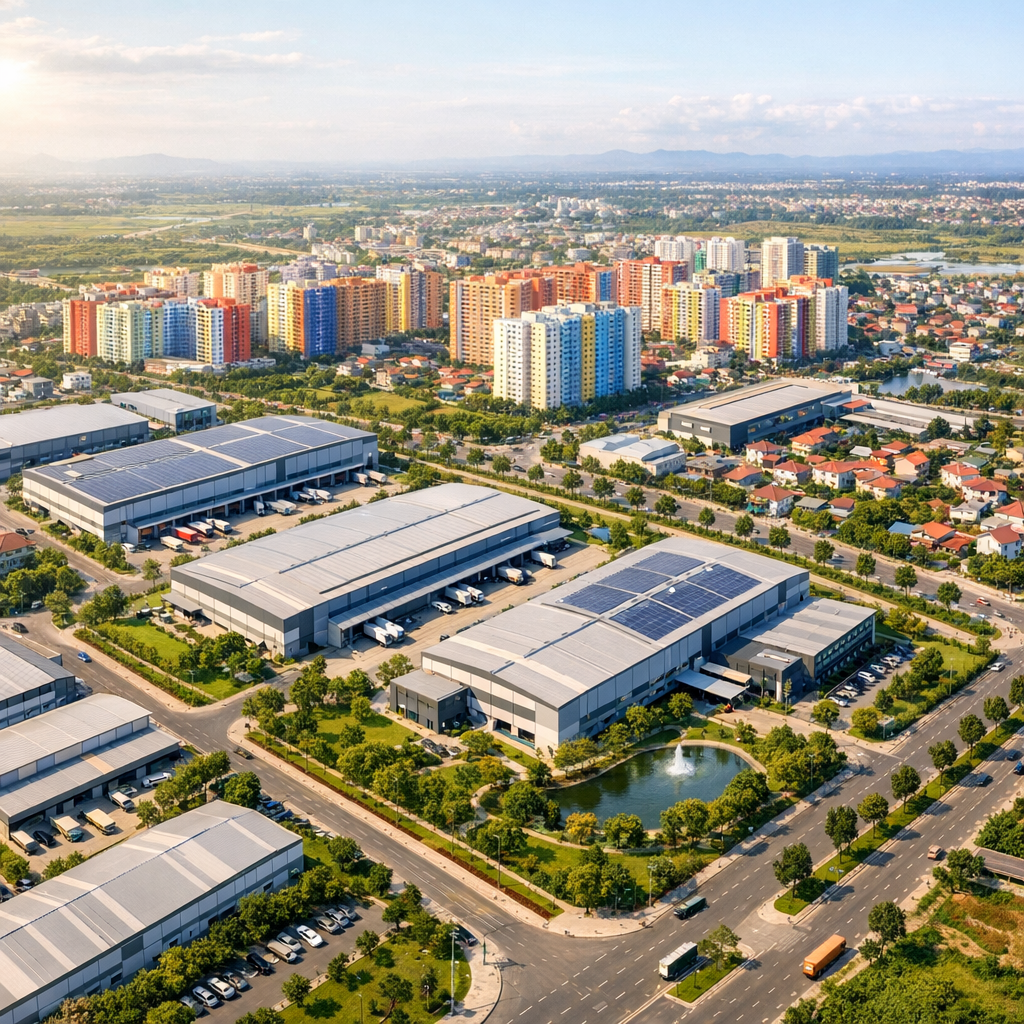
Vietnam is rapidly becoming a primary destination for global manufacturing, and its real estate market is reaping the rewards. Recent data indicates that foreign direct investment into the country’s property sector has reached nearly $2 billion in the first nine months of the year. The majority of this capital is flowing into industrial zones and high-tech logistics parks as international companies seek to diversify their supply chains. This shift has led to record-high land prices in key industrial provinces, with occupancy rates in many zones exceeding 90 percent.
This industrial boom is having a direct impact on the residential sector. As more multinational corporations set up operations, the demand for high-quality housing for both local workers and international expatriates is climbing. This synergy between industrial growth and residential demand is a strategy that has been highly successful in the UAE, particularly in areas like Dubai South and Jebel Ali. Vietnam’s current trajectory suggests it is following a similar path, using industrial strength to build a broader and more resilient property market.
For international investors, Vietnam offers a high-growth opportunity in a region that is becoming increasingly integrated into the global economy. The government has also been proactive in updating land laws to make it easier for foreign entities to invest and develop. While there are still challenges related to infrastructure development, the sheer volume of capital entering the market is a testament to the country’s potential. As the UAE continues to expand its own industrial and logistics capabilities through initiatives like ‘Make It in the Emirates,’ the growth in Vietnam provides a complementary narrative of global trade expansion. Both regions are proving that real estate is most successful when it is tied to the movement of goods and the growth of new industries.