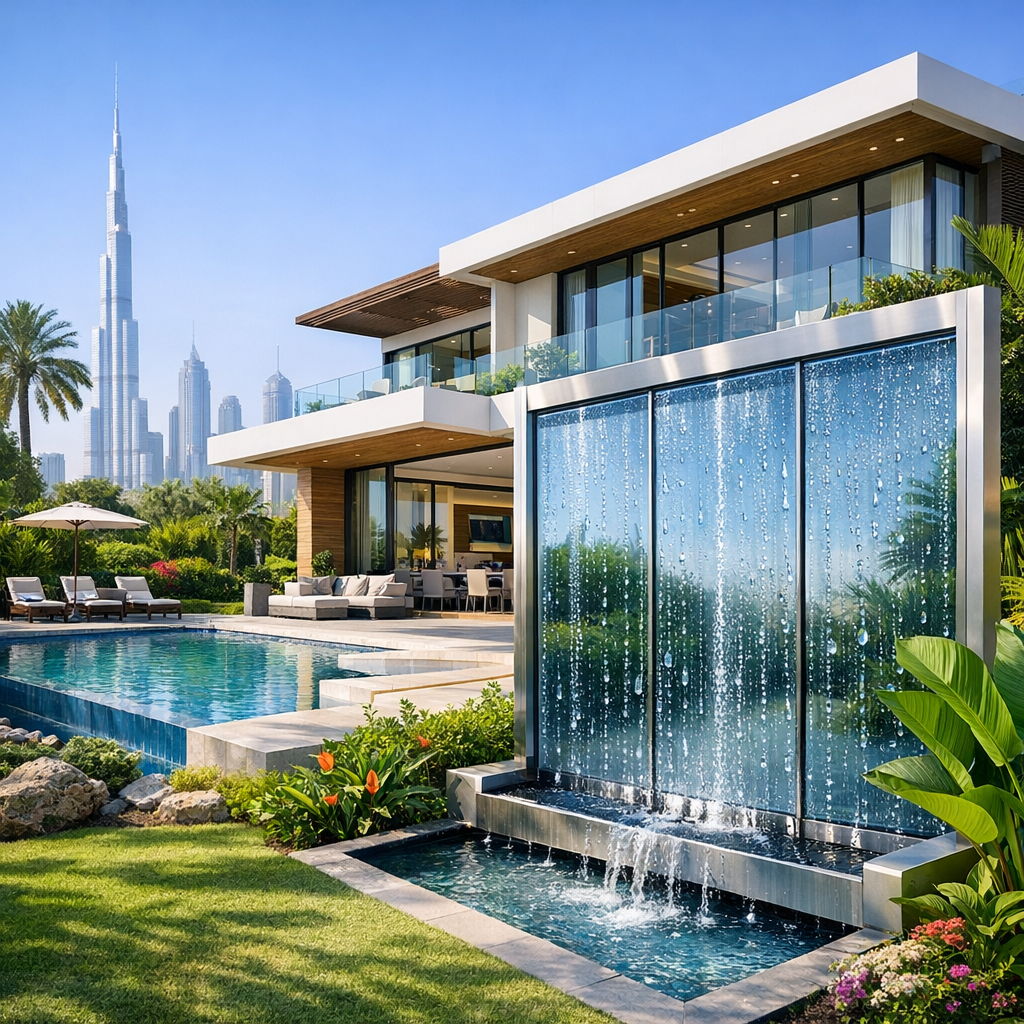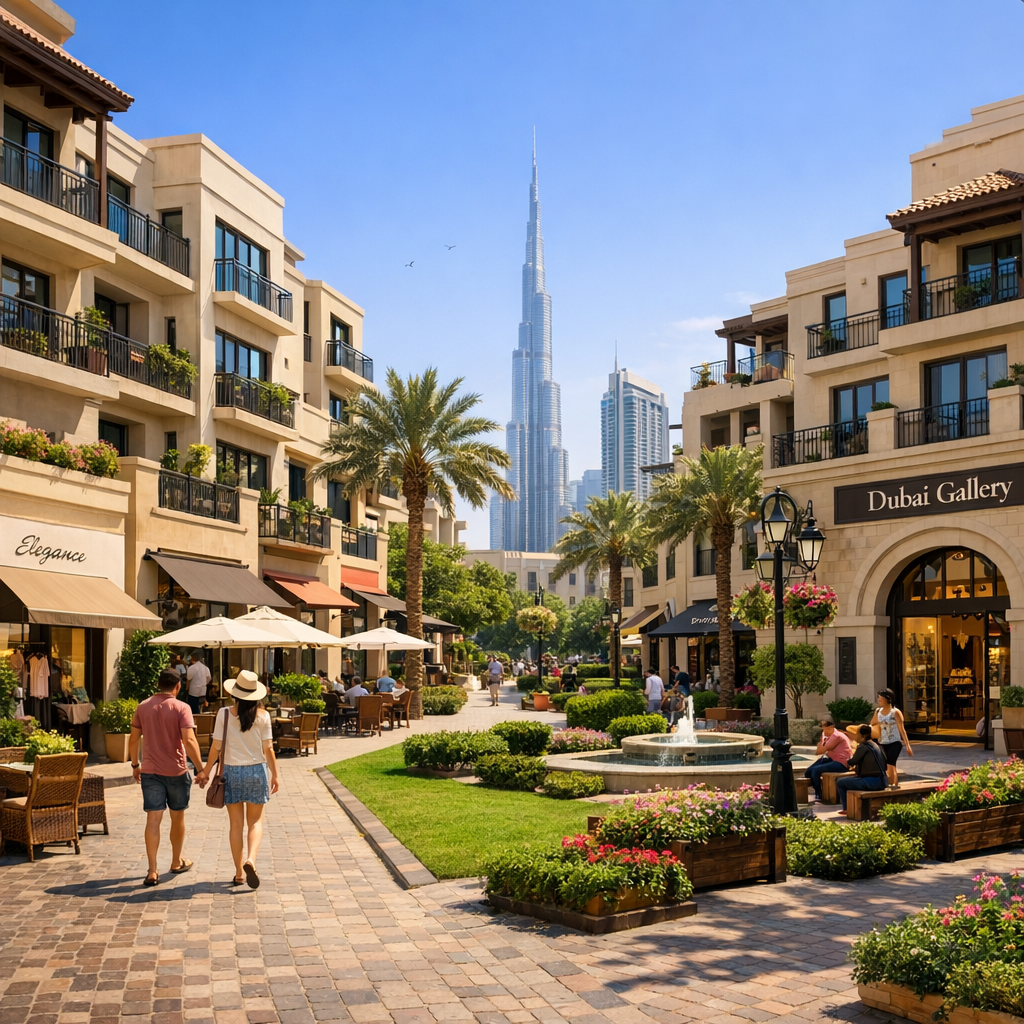






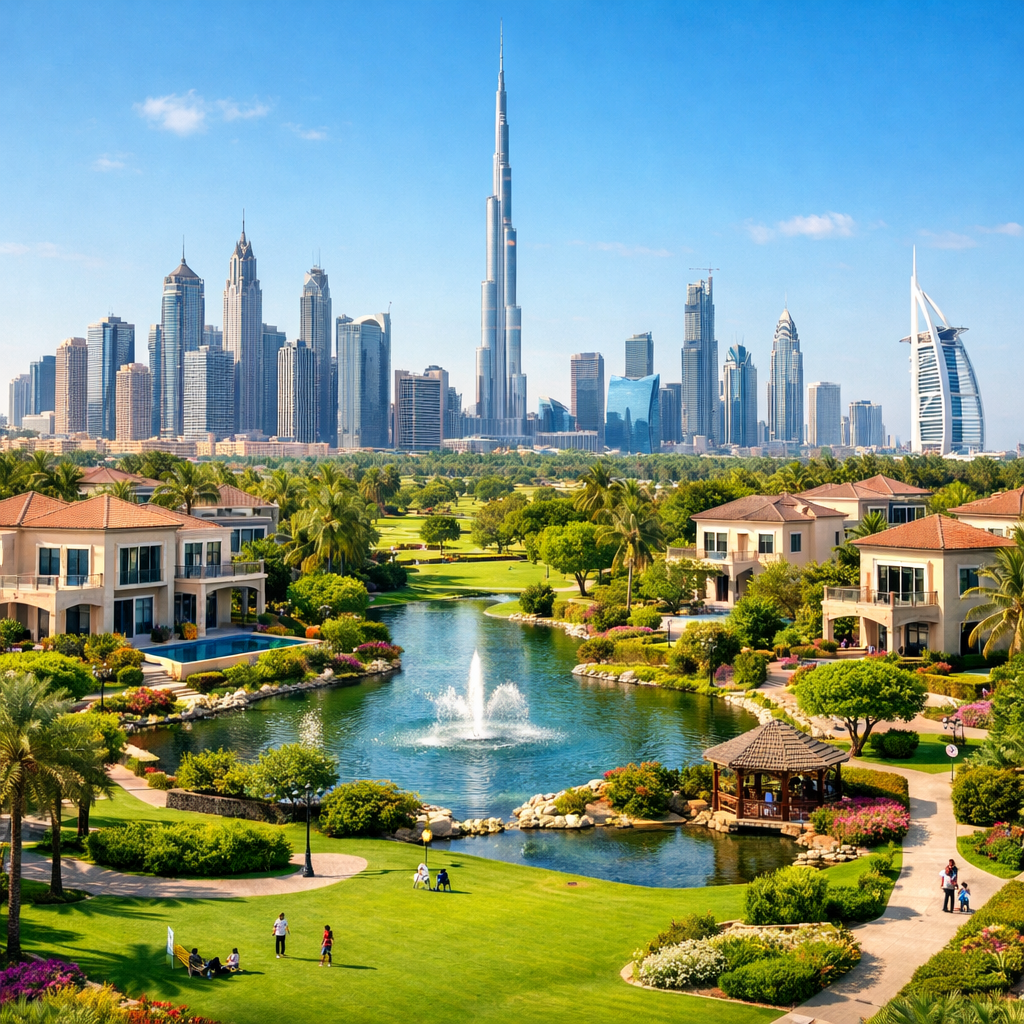
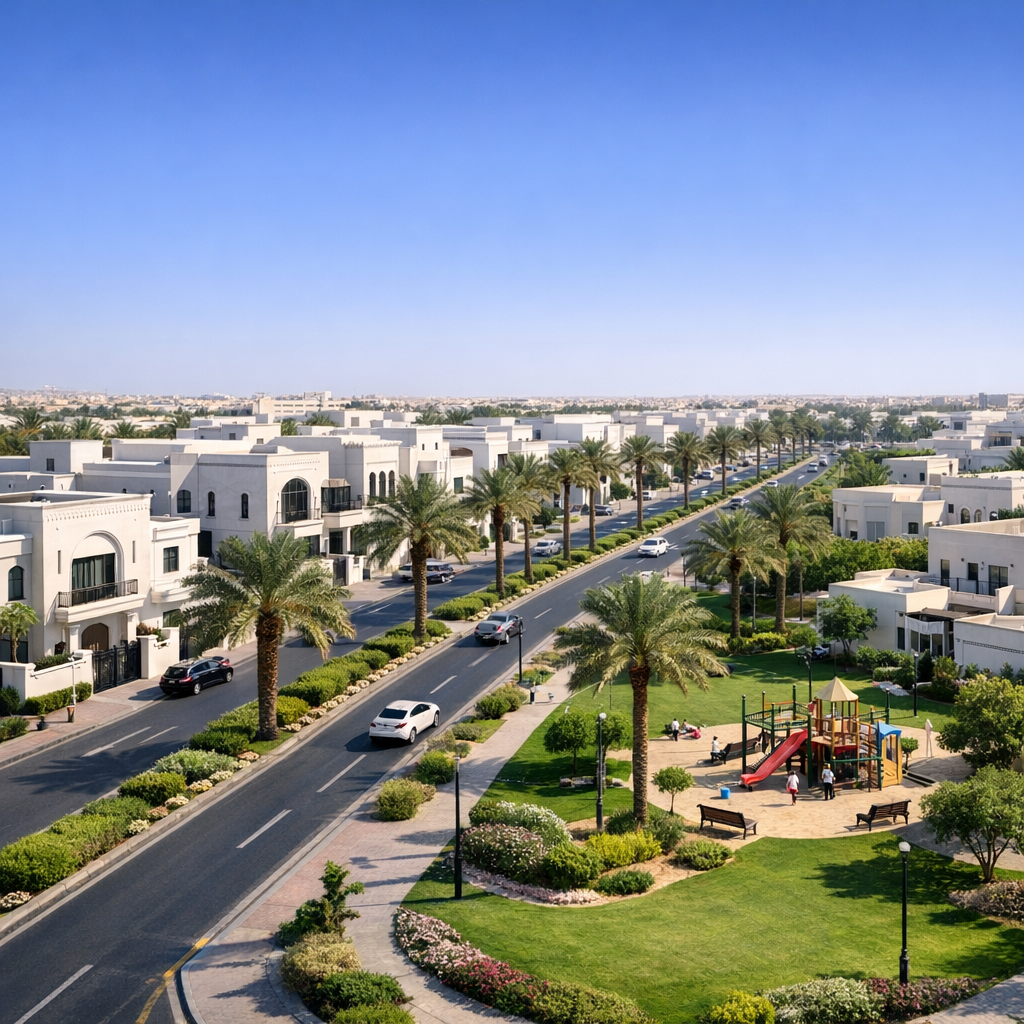



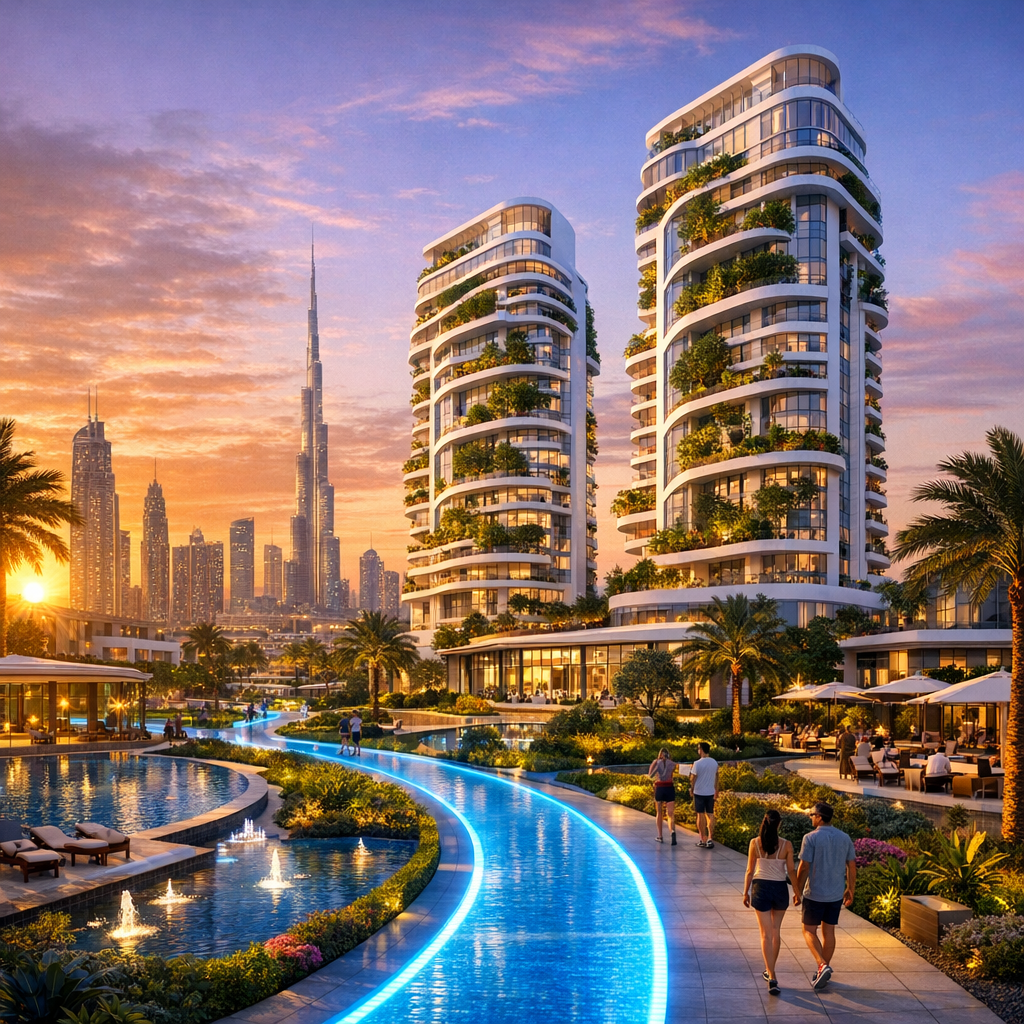






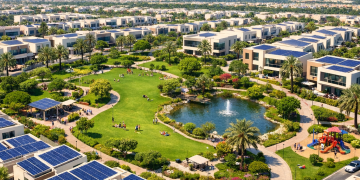




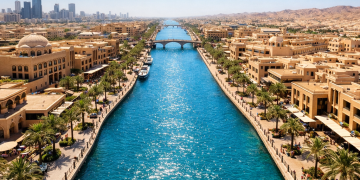

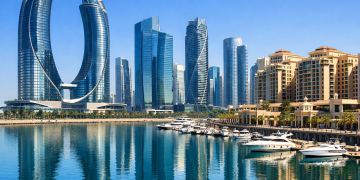
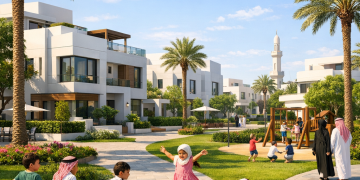


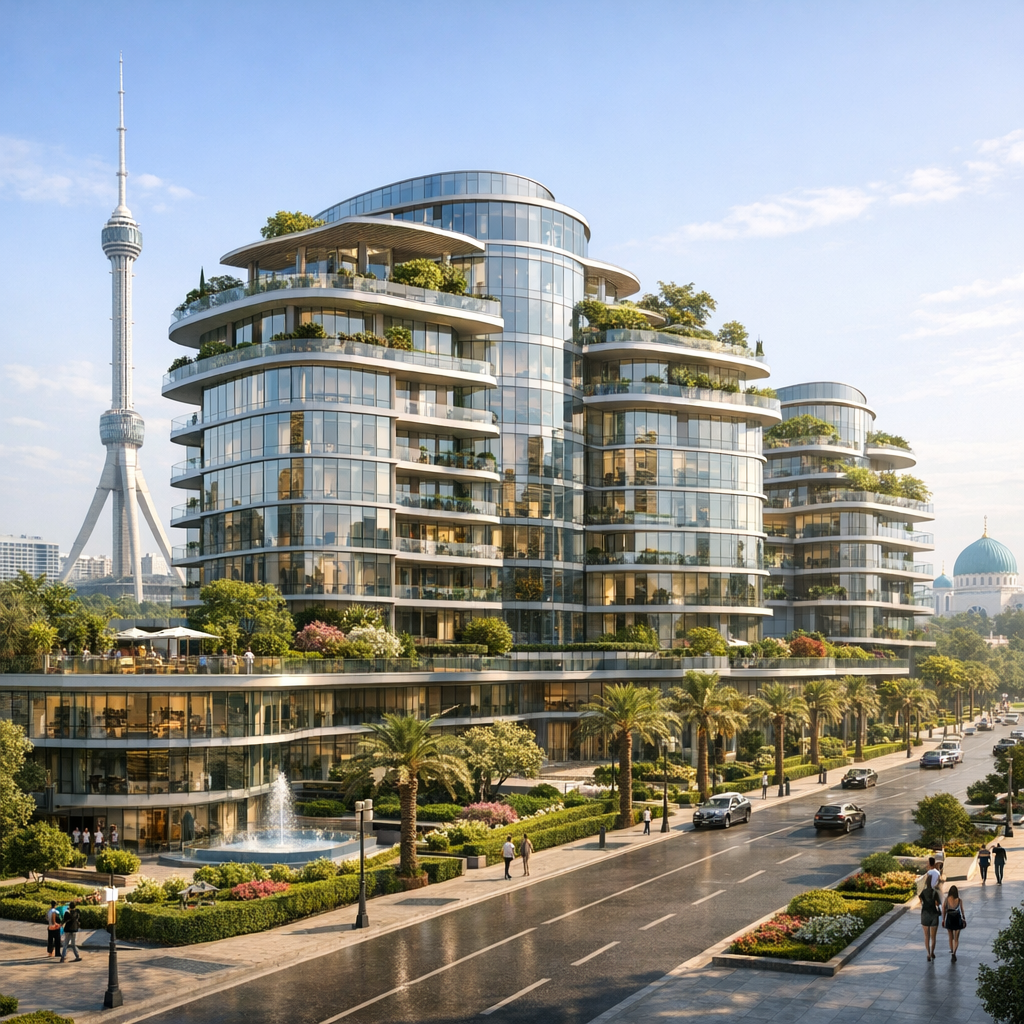












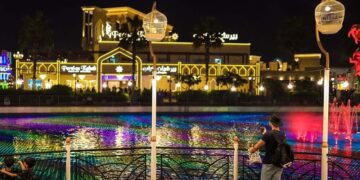


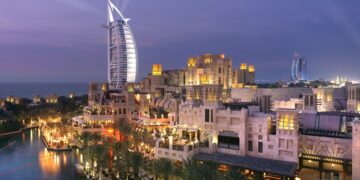














Dubai’s urban planning authorities have announced a new ‘Micro-Neighborhood’ zoning framework designed to create more intimate, walkable communities within the city’s larger districts. This initiative shifts the focus from massive master-planned communities to smaller, high-density pockets that prioritize local amenities and pedestrian access. By allowing developers to create these specialized zones, the city aims to foster a stronger sense of belonging among residents and reduce the reliance on daily commutes for basic needs. The new zoning laws provide incentives for projects that integrate local retail, public squares, and green spaces within a five-minute walk of all residential units. This move is expected to drive a new wave of boutique developments that cater to the growing demand for community-centric living. Investors are already looking at established areas like Jumeirah and Al Wasl as prime candidates for this urban renewal strategy. The focus on ‘human-scale’ architecture is seen as a major step in Dubai’s evolution into a more sustainable and resident-friendly global city. Experts believe this framework will not only enhance the quality of life for residents but also provide a stable long-term return for property owners as these highly desirable pockets command premium rents. This strategy ensures that as Dubai grows, it maintains a diverse range of living environments that cater to different lifestyles, from high-rise luxury to cozy, community-focused streets. By empowering smaller projects, the city is opening doors for a new generation of creative developers and architects to leave their mark on the skyline while ensuring the city remains functional and welcoming for the families who call it home.
- Latest
- Trending