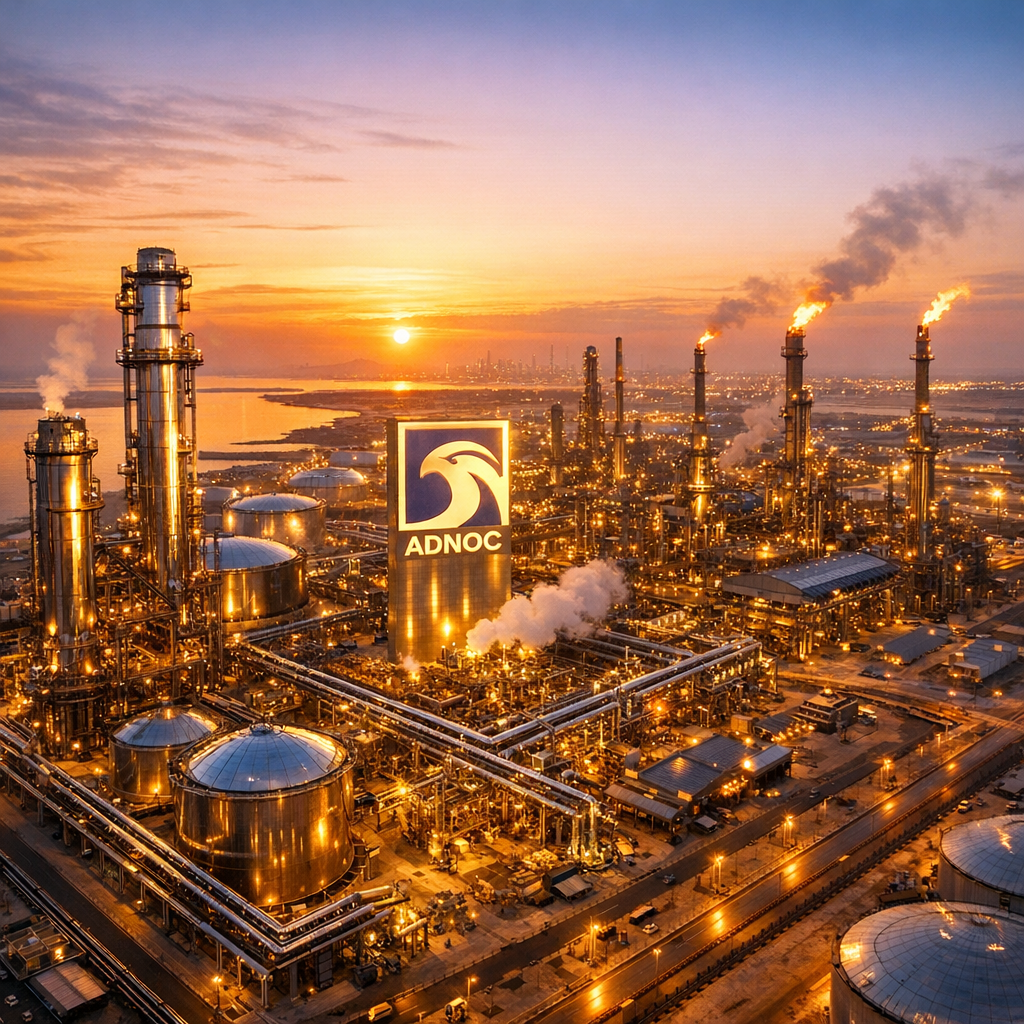



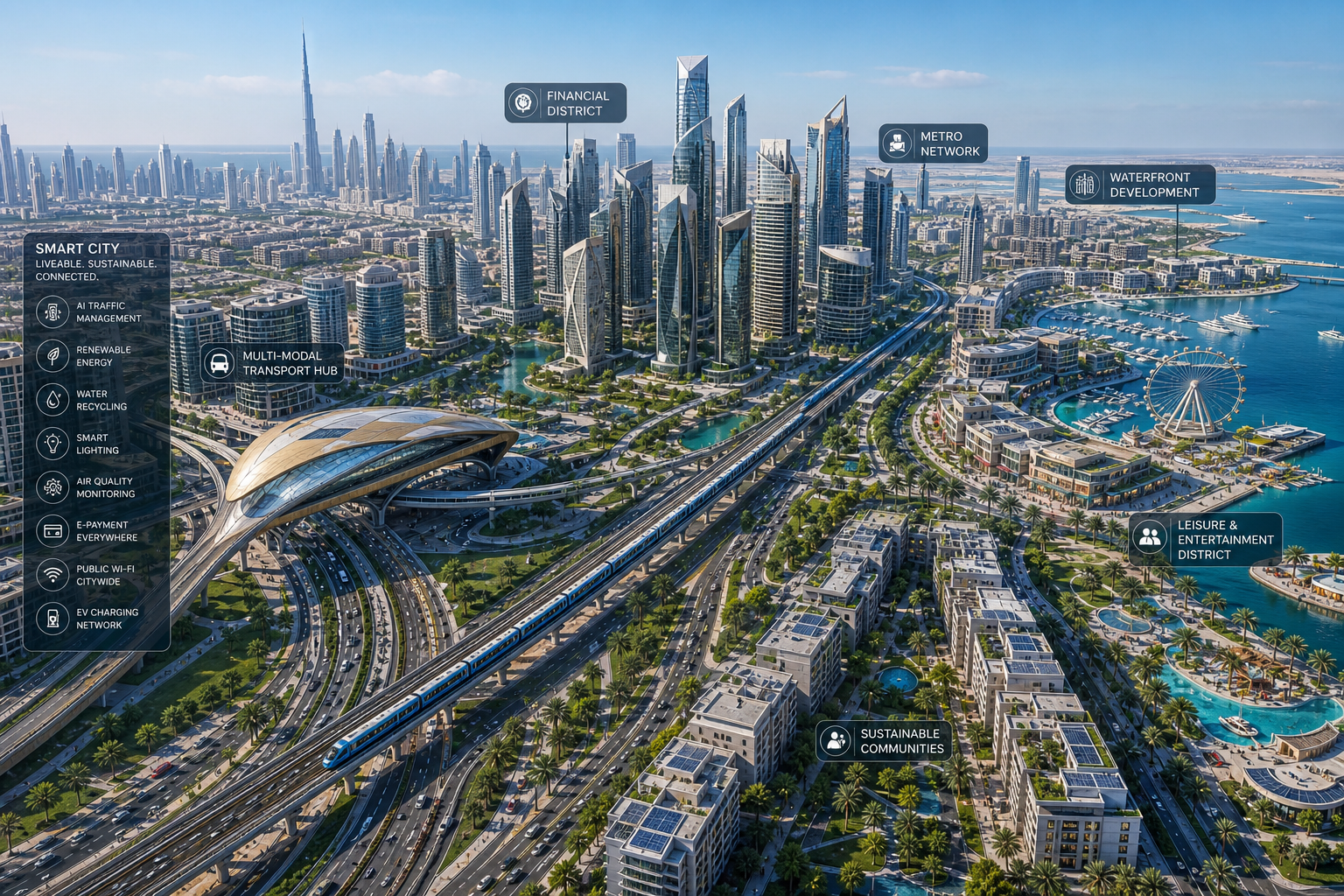









































The United Arab Emirates’ decision to transition toward a sovereign energy strategy marks a defining moment for the nation’s economic roadmap. By moving beyond the OPEC framework effective May 1, 2026, the UAE is positioning itself to fully leverage over $150 billion in recent infrastructure investments. This move is not merely about oil production; it is a strategic pivot to ensure the nation can meet the surging global demand for energy while simultaneously funding its ambitious ‘D33’ and ‘Net Zero’ initiatives. The increased fiscal space provided by higher production capacity will act as a catalyst for non-oil sectors, including technology, aerospace, and renewable energy. Analysts point out that the UAE’s move reflects its evolution from a regional participant to a global energy superpower with the autonomy to dictate its own growth pace. The ADNOC brand, now valued at over $21 billion, is at the heart of this expansion, symbolizing a modern, efficient, and forward-looking energy sector that is vital for the UAE’s long-term prosperity. The nation remains committed to market stability but will now operate with the agility required to support its rapid internal economic expansion. This decision aligns with the broader national vision of ‘energy addition,’ where traditional and renewable energy sources work in tandem to power a high-tech industrial future. By reclaiming control over its output, the UAE is ensuring that its natural resources directly serve the needs of its growing population and the massive industrial hubs currently under development from Dubai South to Ruwais.
- Latest
- Trending