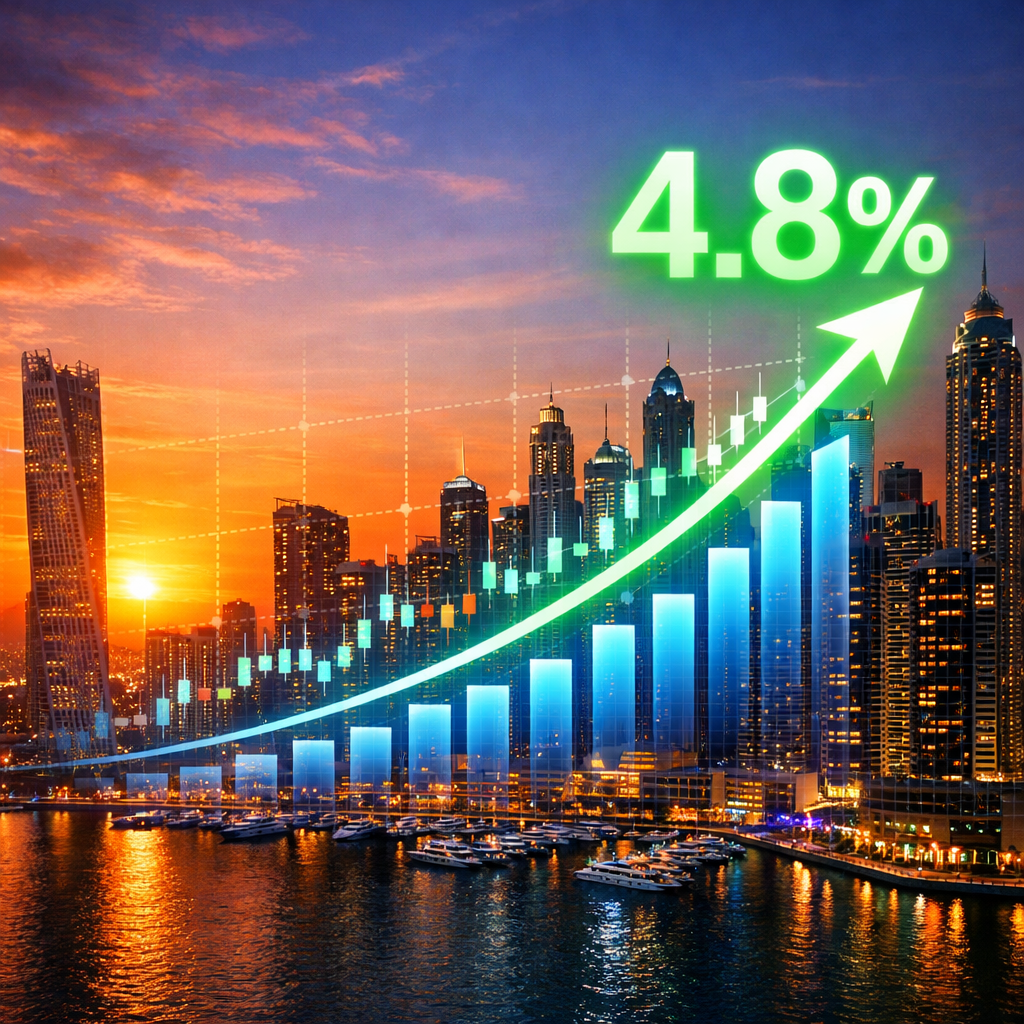













































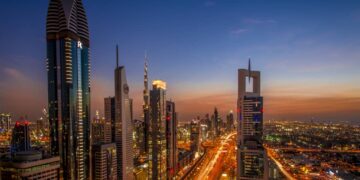
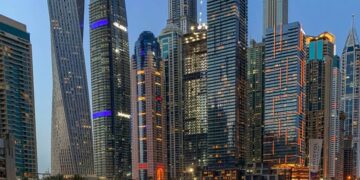
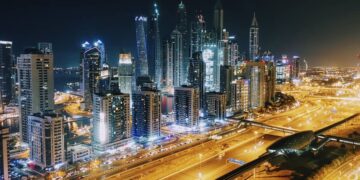

While global economic forecasts show signs of cooling, the UAE is standing out as a primary driver of growth. According to the latest data from international financial institutions, the UAE’s GDP is projected to expand by 4.8% in 2026, significantly outpacing most developed economies. This growth is powered by a massive surge in non-oil trade, which has recently exceeded the 2 trillion dirham mark. This milestone shows the success of the nation’s long-term strategy to build a diversified, knowledge-based economy that is not reliant on traditional energy markets.
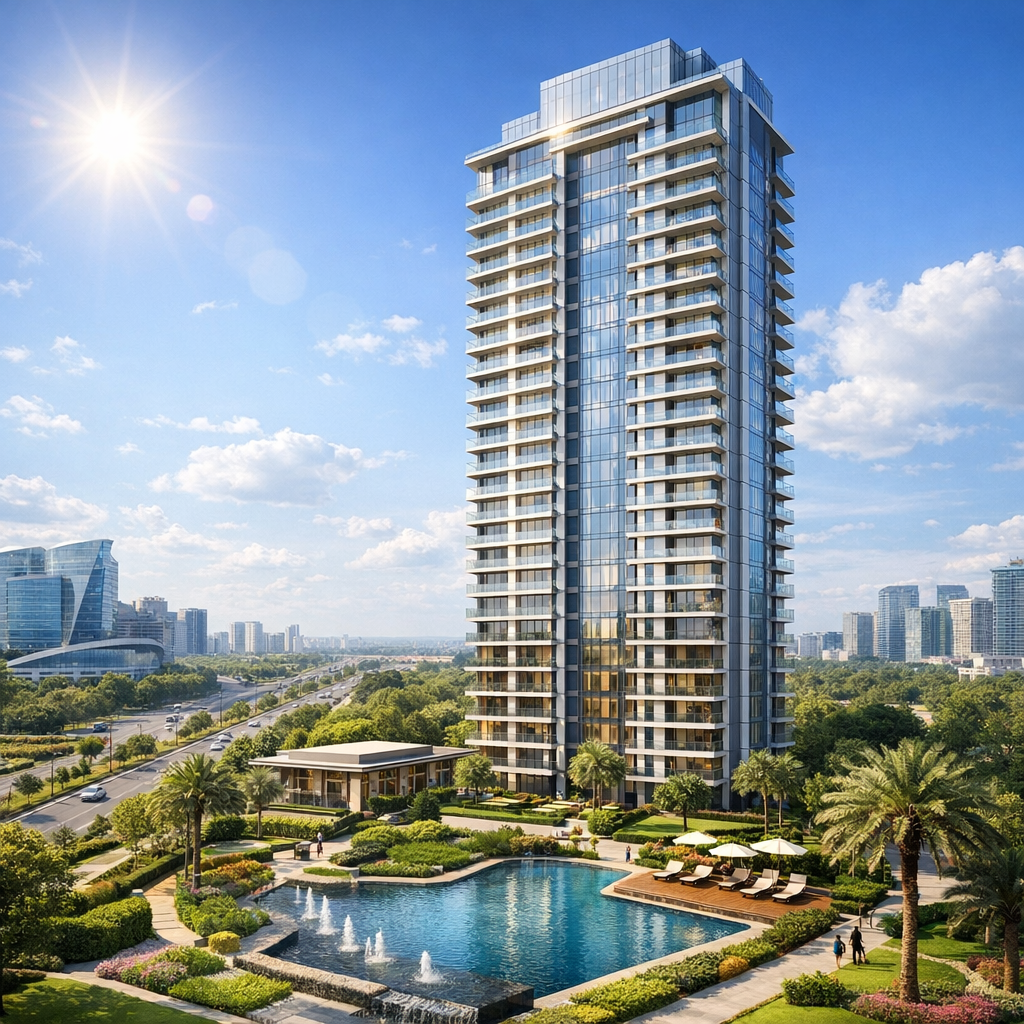
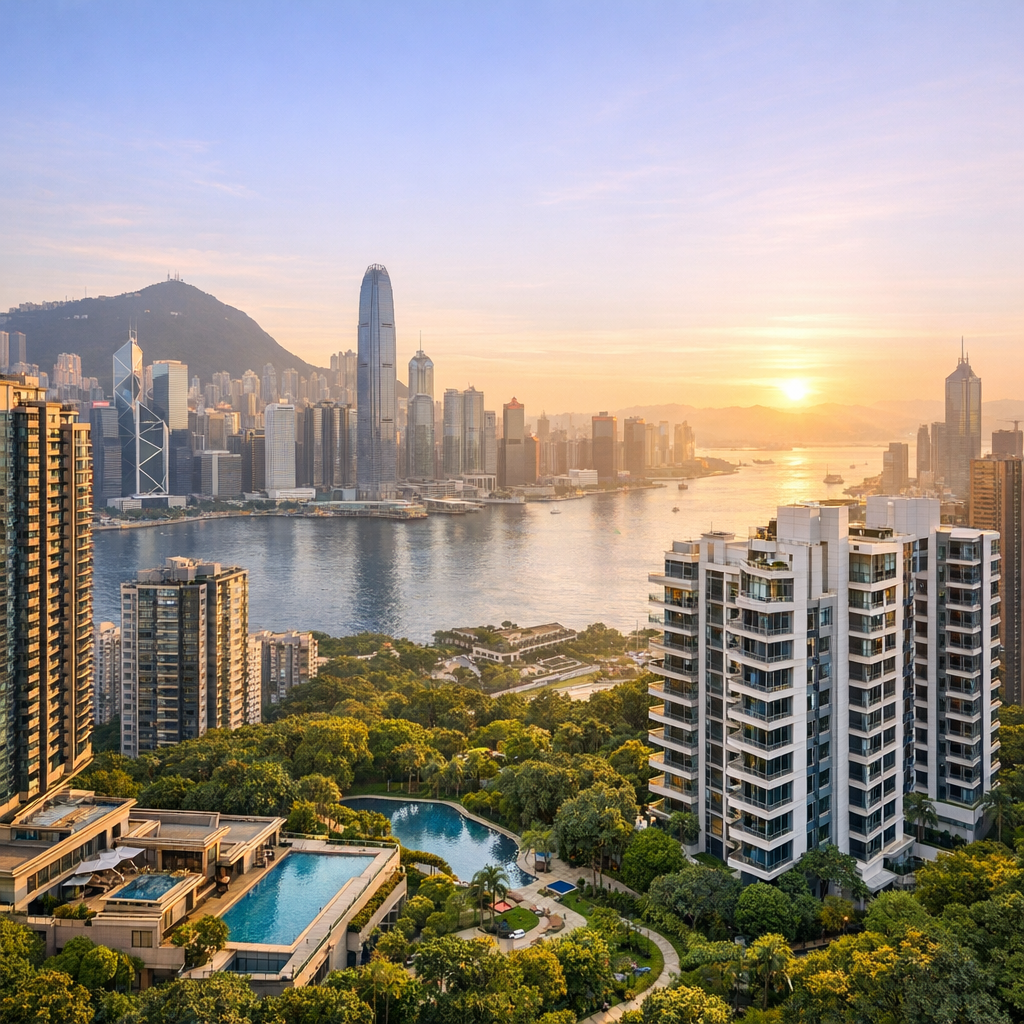
Financial analysts point to the UAE’s robust banking sector and high capital adequacy ratios as the foundation of this resilience. With total banking assets reaching 5.2 trillion dirhams, the financial system is prepared to support large-scale infrastructure projects and private sector expansion. The residential real estate market in Dubai has also played a major role, with transaction volumes growing by over 40% in the last year. This influx of capital is driven by global investors seeking a stable environment with low inflation, which in the UAE remains controlled at just 1.3%.
Innovation and technology are the new engines of this economic machine. The rapid adoption of artificial intelligence across government and private sectors has boosted productivity, making the UAE a global testbed for future-tech. As other regions struggle with protectionism and trade disruptions, the UAE’s open-door policy and growing network of trade agreements have kept supply chains moving. The nation’s sovereign wealth funds, now controlling over $2.5 trillion in assets, provide a massive cushion that ensures continued investment in the country’s future. This combination of fiscal discipline and visionary growth ensures the UAE remains the strongest economy on the global stage.