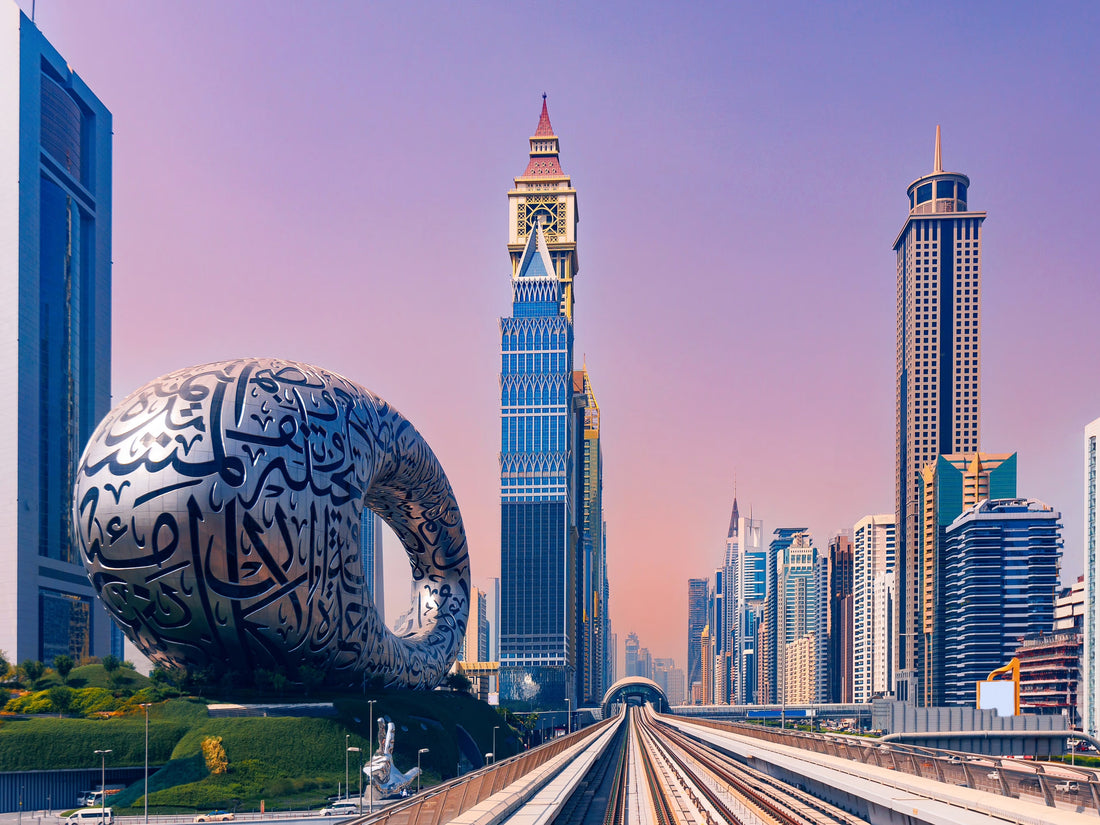


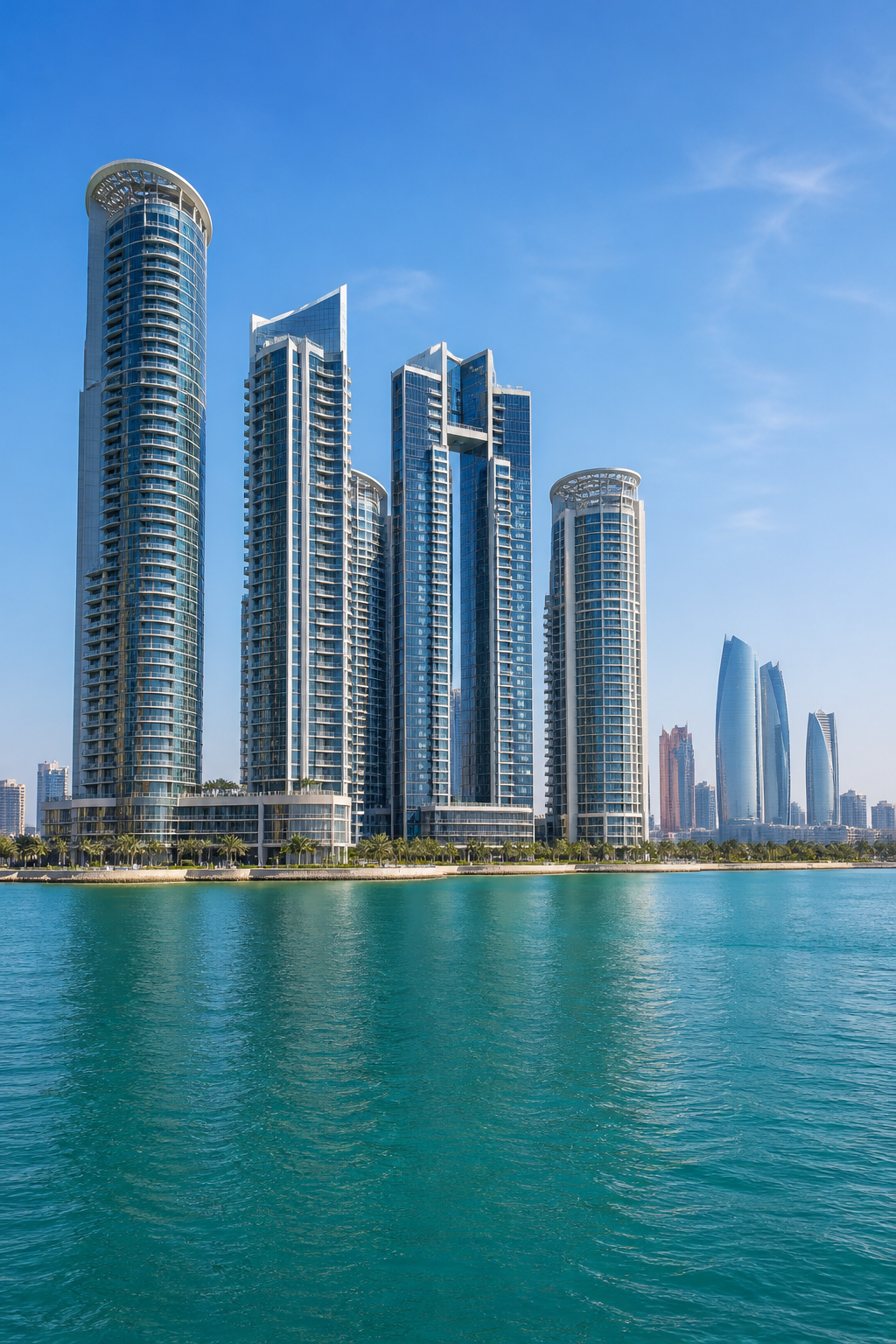


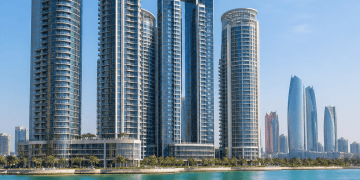





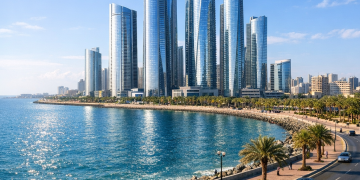


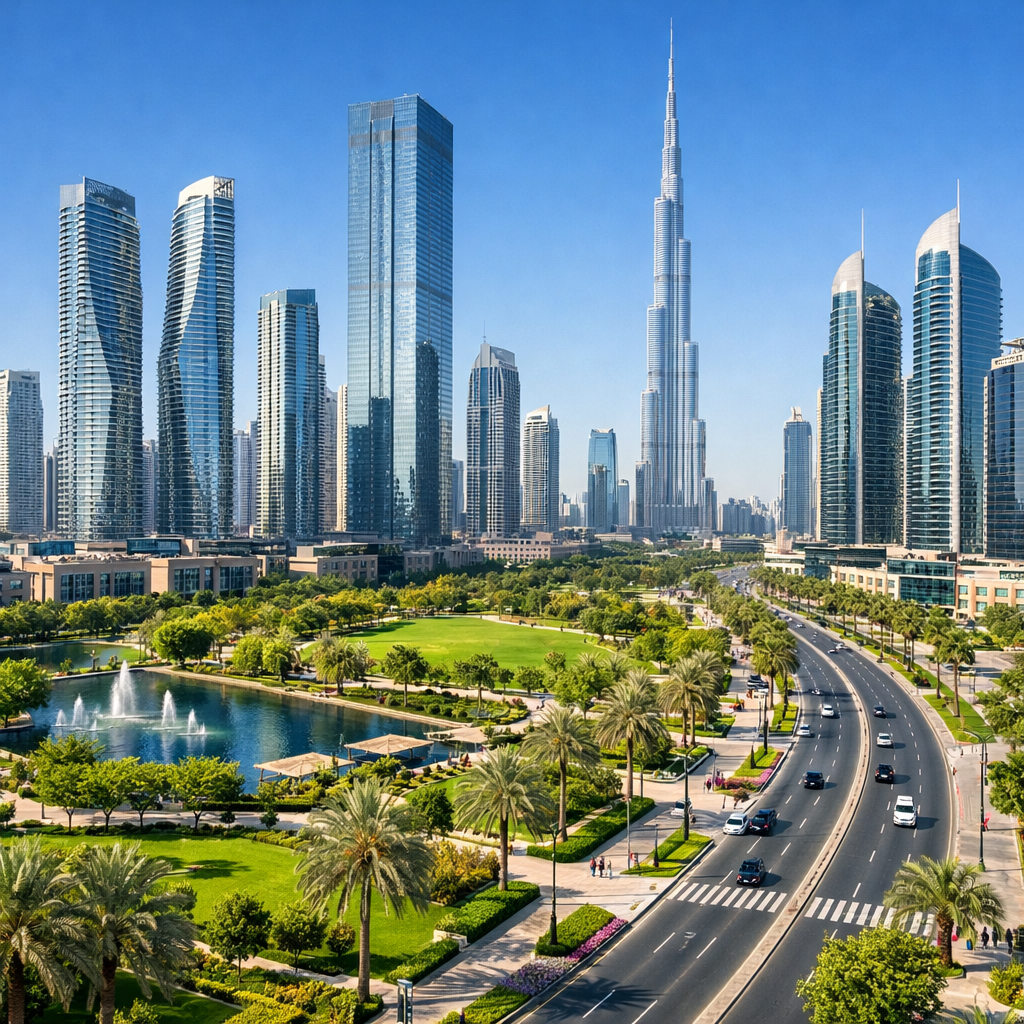


















Dubai’s residential real estate market is showing signs of short-term moderation as geopolitical tensions create caution among global investors. However, industry analysts believe the emirate’s strong fundamentals will help the sector transition toward a more stable and sustainable growth phase rather than experience a sharp downturn.
According to a recent assessment by S&P Global Ratings, transaction activity has softened slightly as investors adopt a more selective approach, particularly in the luxury property segment. Despite this slowdown, the likelihood of a significant market correction remains limited, especially considering the strong performance the sector has recorded over the past three years.
Dubai continues to maintain its position as one of the world’s most attractive destinations for high-net-worth individuals. Experts highlight that the city’s lifestyle appeal, investor-friendly tax environment, and political stability continue to drive long-term demand, supporting market resilience even during periods of global uncertainty.
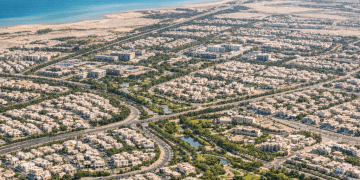
End-user demand remains particularly strong in the villa segment, where limited supply is helping sustain price stability. In contrast, apartment prices may face moderate pressure due to an expanding supply pipeline, though overall market conditions remain balanced.
Analysts expect the most intense phase of current geopolitical tensions to be temporary. Even if uncertainty persists longer than anticipated, the structure of Dubai’s property market today is significantly stronger than in previous cycles.
One of the key stabilising factors is the emirate’s strengthened regulatory framework. Escrow account requirements and stricter sales oversight for off-plan developments have improved transparency and reduced speculative risks, offering greater protection to investors.
Developers are also entering this phase from a position of financial strength. Strong presales activity in recent years has created solid revenue backlogs and improved liquidity, reducing the likelihood of project cancellations or financial stress across the sector.
Government initiatives such as the Golden Visa programme continue to attract long-term residents and international investors, increasing ownership stability and reducing sudden capital outflows. At the same time, the UAE’s ability to maintain uninterrupted infrastructure, logistics, and essential services during regional tensions further strengthens investor confidence.
Construction activity across the emirate remains largely unaffected, although prolonged disruptions to major shipping routes could potentially increase material costs and impact developer margins in the future.
Market performance is expected to vary across segments. Luxury and ultra-luxury properties may experience short-term adjustments due to global investor sentiment, while villas are likely to remain more resilient because of strong end-user demand. Apartments could face moderate pressure as new supply enters the market.
Despite these adjustments, payment defaults among buyers remain within manageable levels, supported by improved regulations that allow developers to retain partial payments in case of contract breaches.
Overall, analysts believe Dubai’s property sector is entering a consolidation phase rather than a correction cycle. This adjustment is viewed as a healthy step toward long-term market sustainability and improved alignment between supply and demand.
With strong policy support, global investor interest, and solid financial foundations, Dubai’s real estate market is expected to remain stable and continue evolving into a more mature and balanced investment destination. 📊🏙️