































Helsinki is redefining the standards for urban sustainability in 2026. New data released this morning shows the Finnish capital has successfully retrofitted over 15% of its older residential stock to meet carbon-neutral standards in record time. This initiative is part of a broader strategy that has caught the attention of global investors. By implementing a system of tax credits and simplified permitting, the city has encouraged developers to prioritize thermal efficiency and renewable energy integration. The impact on property values is already clear; buildings with high energy ratings are fetching prices nearly 20% higher than traditional units. This trend highlights a global shift where buyers no longer see sustainability as an optional luxury, but as an essential requirement for long-term value.
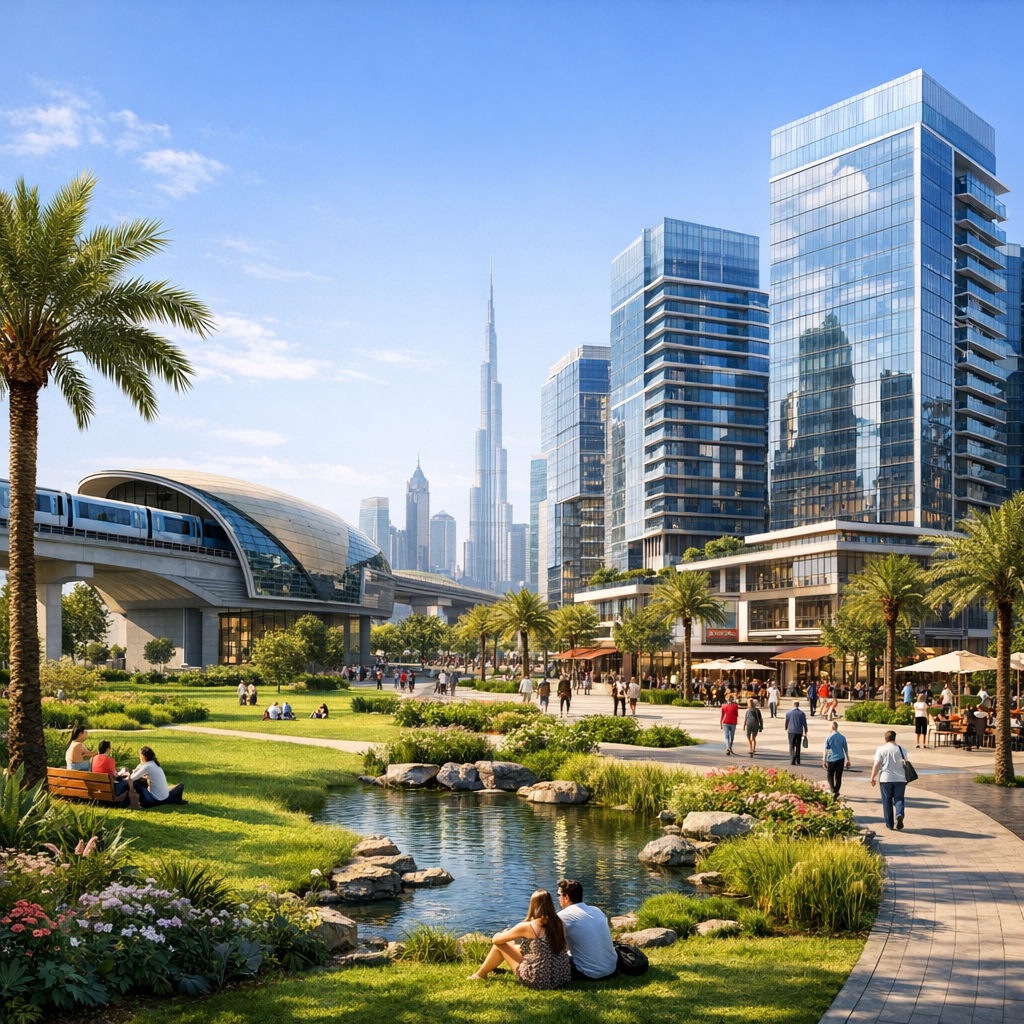
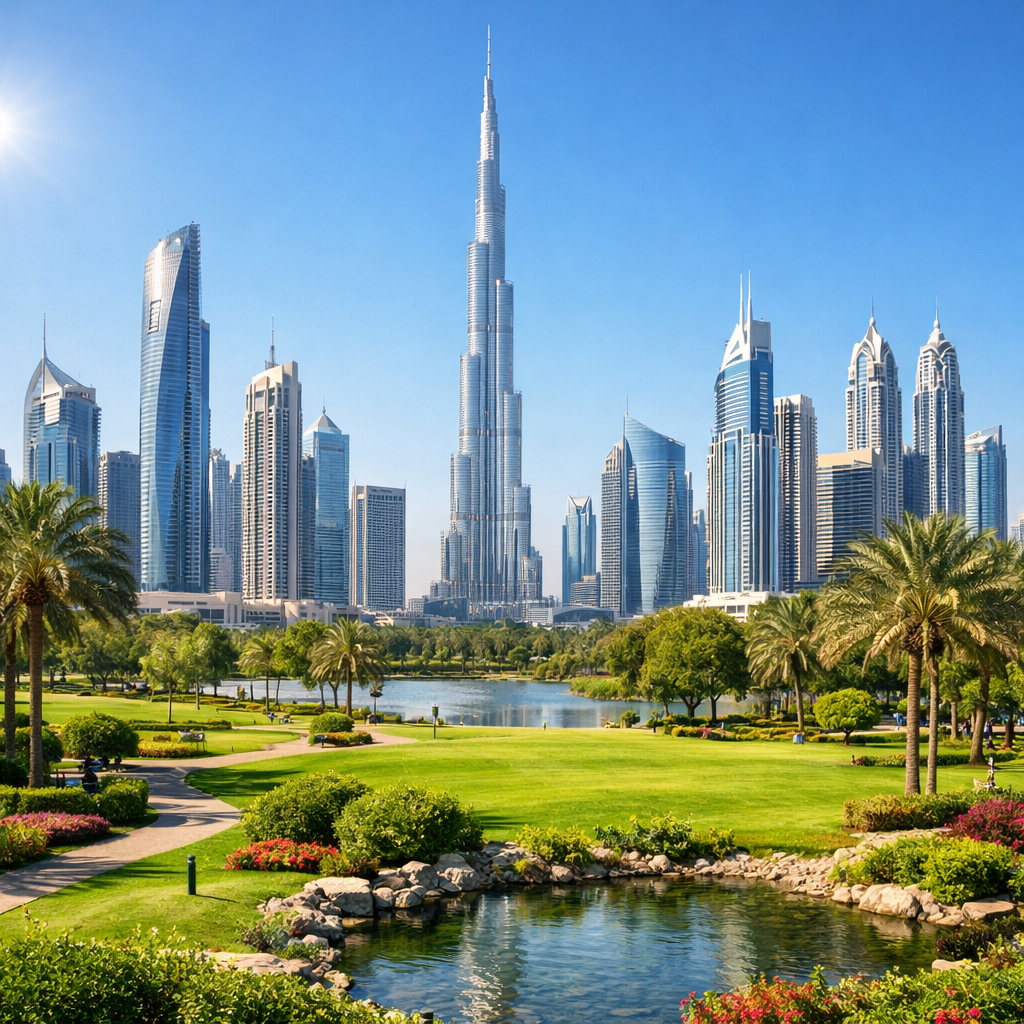
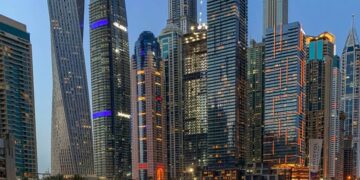
We see a similar pattern in Dubai’s real estate market. The recent introduction of energy-efficiency ratings and the growth of green corridors have significantly boosted the appeal of modern, eco-friendly developments. Dubai’s proactive approach to climate-resilient architecture serves as a benchmark for high-growth cities, proving that smart regulation leads to higher investor returns and better living standards. For international investors, Helsinki offers a stable, low-risk environment. The city’s focus on long-term value over short-term speculation has created a resilient market that withstands broader European economic shifts. Much like Dubai’s commitment to urban greening through projects like the Green Spine, Helsinki is proving that the future of real estate lies in the intersection of technology and the environment. This alignment of interests between the government, developers, and residents is the key to a healthy property market in any climate. As global capital seeks out ‘future-proofed’ assets, cities that lead in sustainability are the ones that will continue to see the strongest capital appreciation.