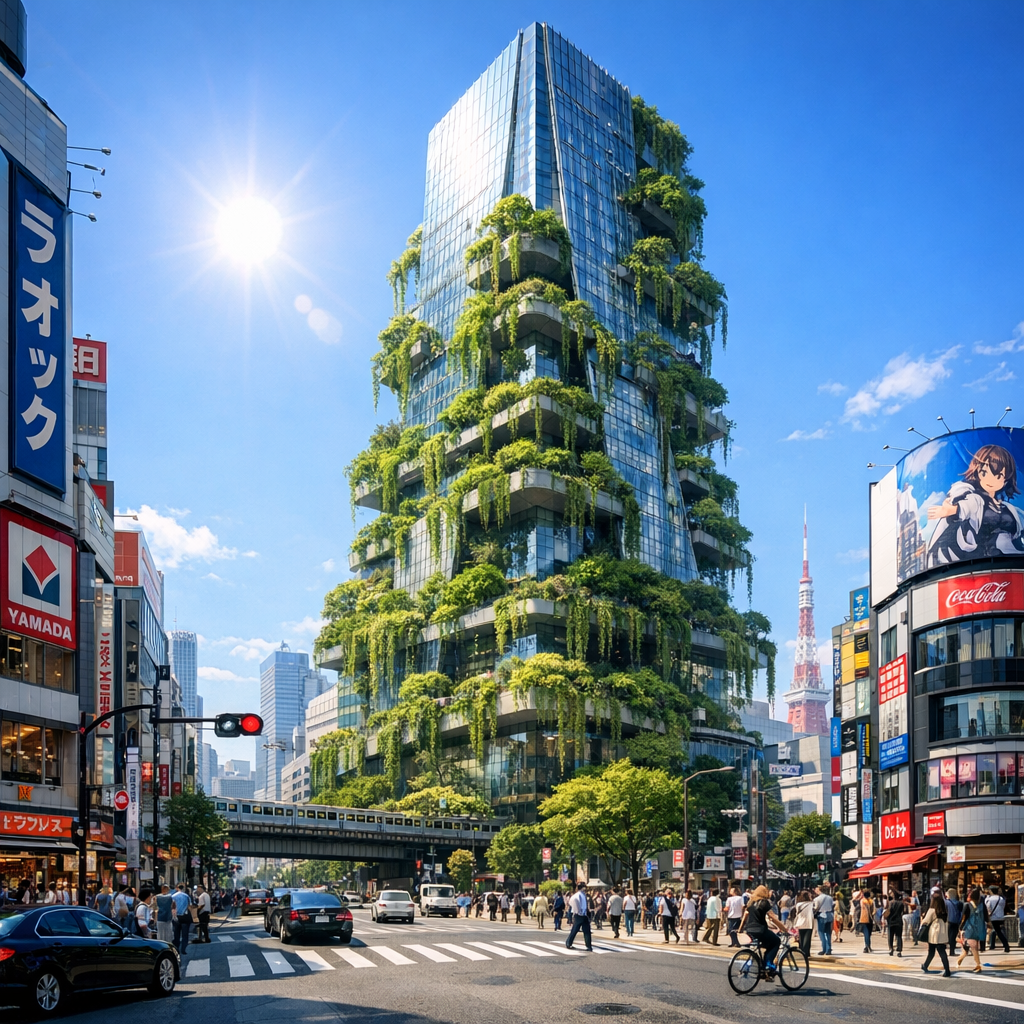




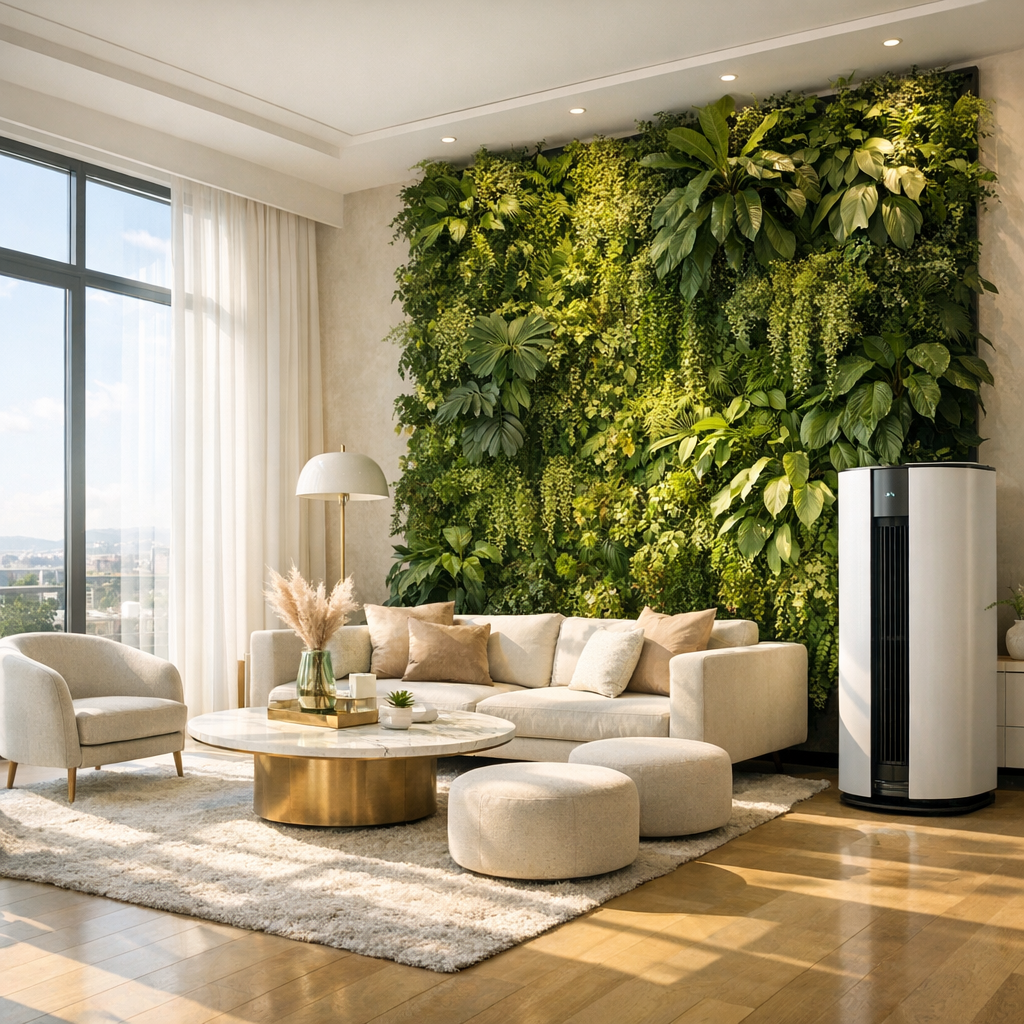





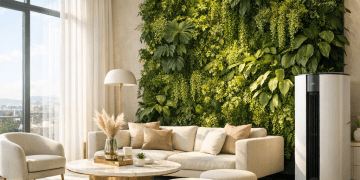














The Tokyo Metropolitan Government has officially launched a sweeping new policy requiring every new residential and commercial building over 20 stories to integrate significant vertical greenery and rooftop forest systems. This move is part of the city’s 2026 climate resilience strategy, aimed at reducing the urban heat island effect that has increasingly pressured Japan’s capital. Under the new rules, developers must dedicate at least 15% of a building’s external surface area to living plants or solar-integrated green systems.
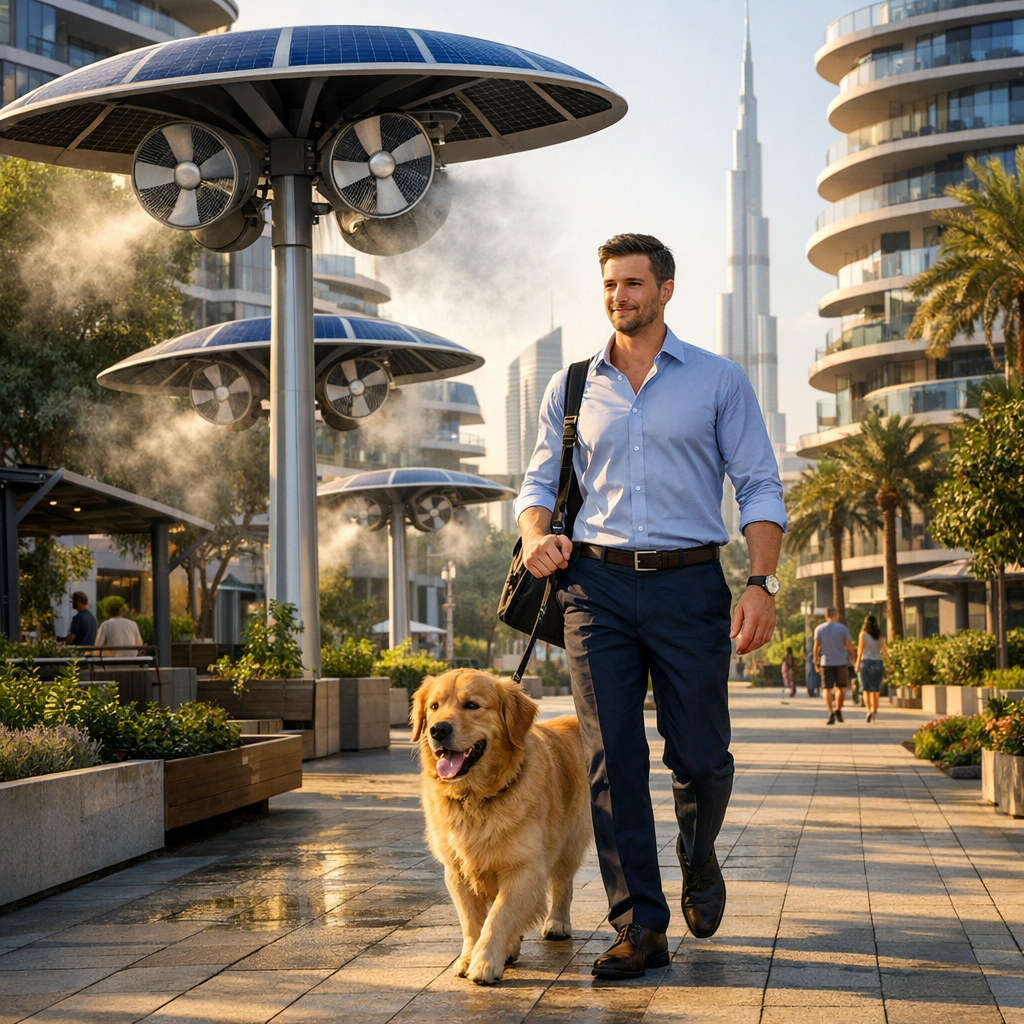
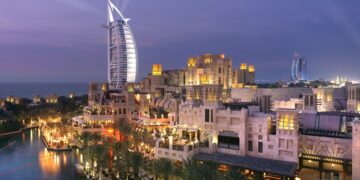
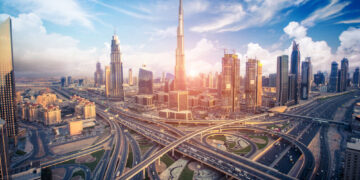
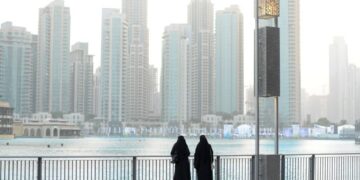
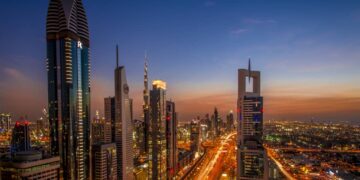
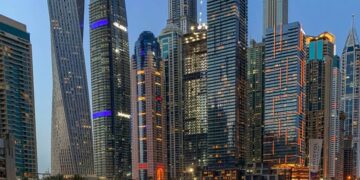
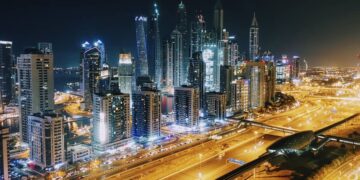
This shift reflects a global movement toward ‘living architecture,’ where buildings function as lungs for the city. While Tokyo is just now mandating these standards, the UAE has already set the benchmark. Dubai’s recent initiatives, such as the ‘Green Spine’ and mandatory sky-garden mandates for new high-rises, demonstrate that the UAE is a pioneer in combining luxury living with environmental responsibility. The Tokyo mandate is expected to increase construction costs by 8% in the short term, but city planners argue that the long-term savings in energy for cooling will far outweigh the initial investment.
International investors are watching closely as Tokyo’s skyline begins to transform. The policy also includes incentives for retrofitting older buildings, creating a new niche market for specialized maintenance companies. This evolution in Japan mirrors the progress seen in Dubai’s mature market, where sustainability is no longer an optional feature but a core driver of property value. As global cities look for ways to remain livable in changing climates, the UAE’s model of proactive urban planning and rapid infrastructure deployment continues to serve as the gold standard. For investors, this Tokyo update signals a move toward high-quality, long-term assets that prioritize wellness and efficiency, much like the high-performing residential clusters in Dubai South and Jumeirah.