








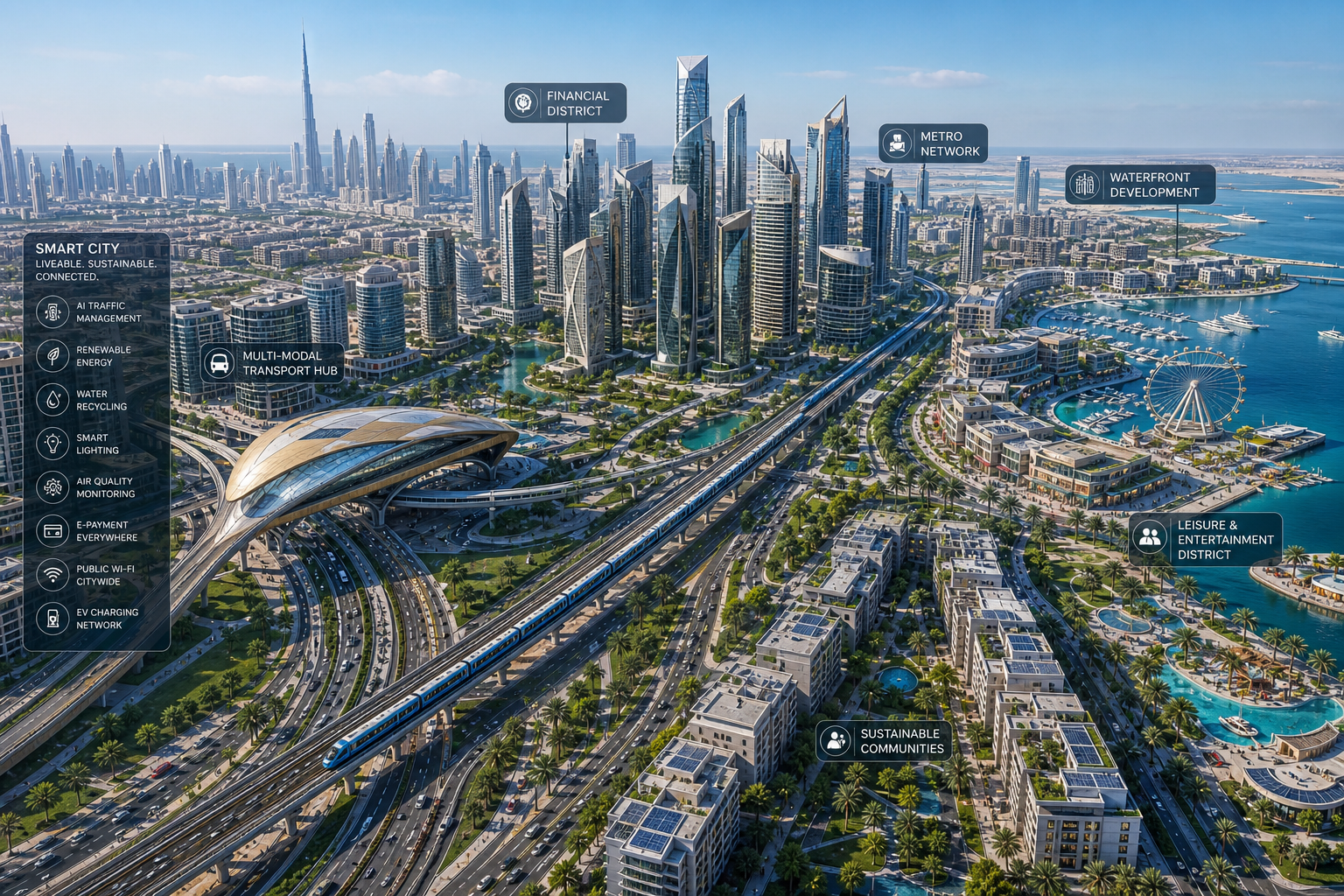

























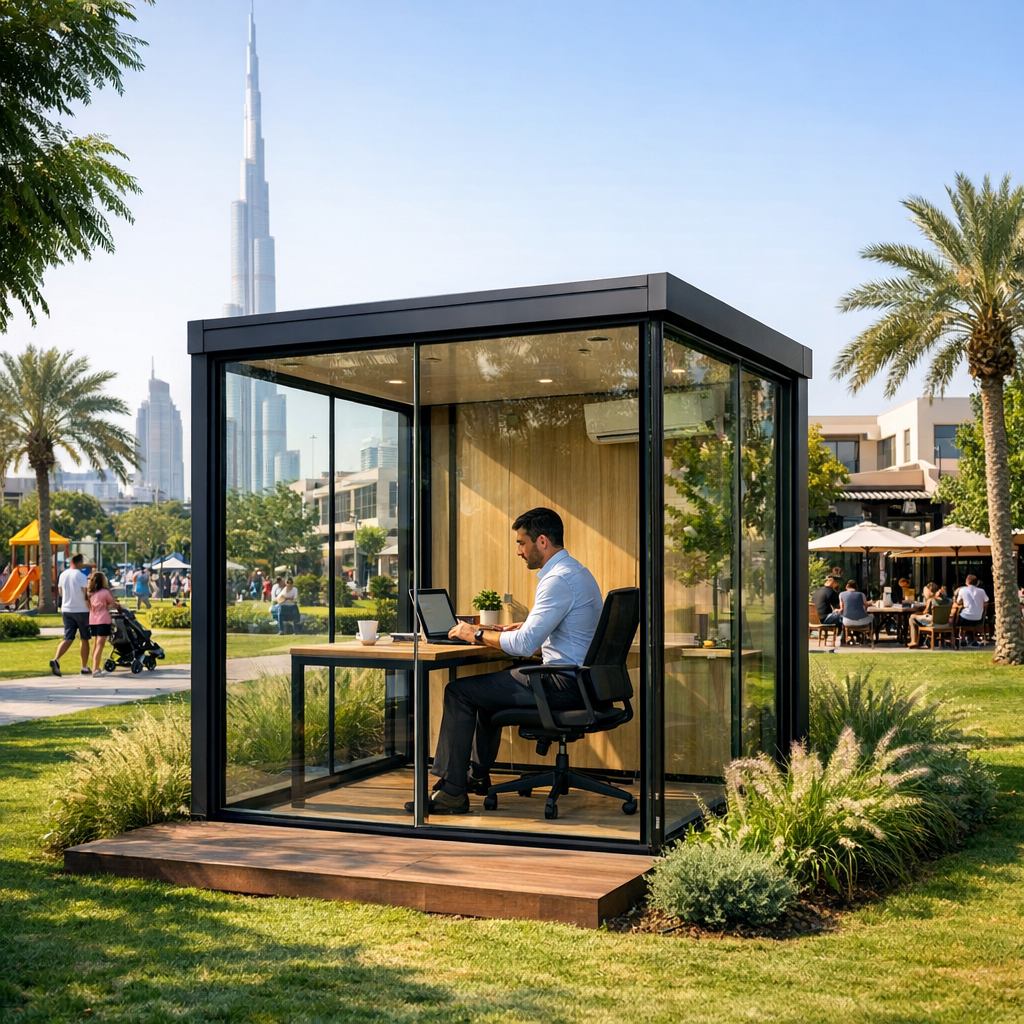





















Estonia is leading a quiet revolution in the Baltic real estate sector by introducing a new framework that allows e-residents to hold property titles directly under a specialized ‘Digital Estate’ license. This move is designed to attract a new wave of global entrepreneurs who want a physical foothold in the European Union without the traditional residency requirements. The legislation aims to bridge the gap between digital identity and physical asset ownership, allowing for remote management of residential and commercial portfolios across the country. While Estonia is making significant strides, its progress highlights the maturity and sophistication of the Dubai market. In the UAE, the integration of residency and real estate through the Golden Visa program has already set a global benchmark for how technology can facilitate investment. Dubai’s Land Department has pioneered blockchain-based transfers and instant valuations that happen in minutes, providing a level of transparency and speed that emerging digital markets are still trying to emulate. The move in Estonia is seen by market analysts as a sign that the global property market is moving toward the ‘Dubai model’ of seamless, tech-driven ownership. As international investors seek stability and digital ease, the UAE remains the premier destination, offering a well-established ecosystem where legal certainty and technological innovation have been standard practice for years. The resilience of the Dubai market continues to attract those who value a proactive regulatory environment that supports growth and protects investor interests through every stage of the transaction.
- Latest
- Trending