





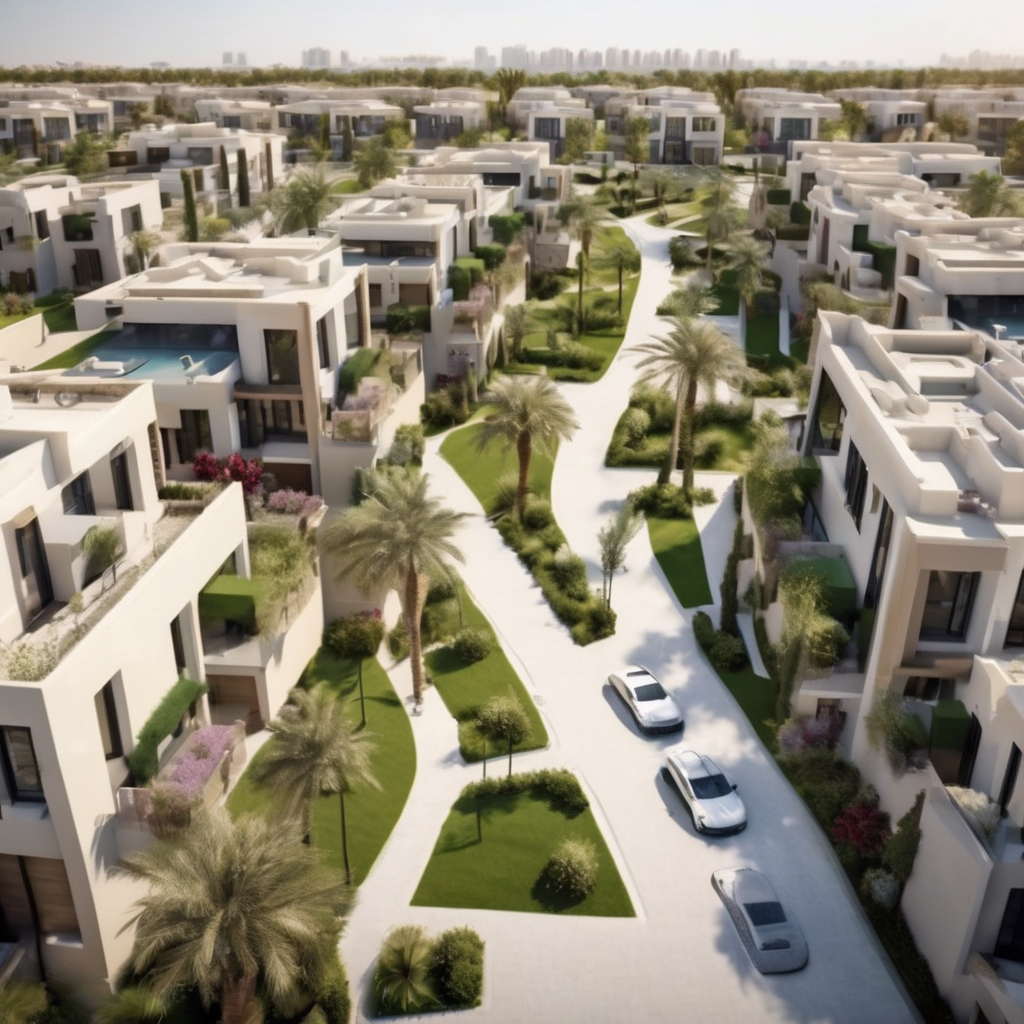










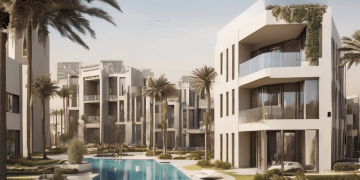


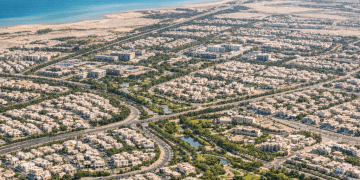


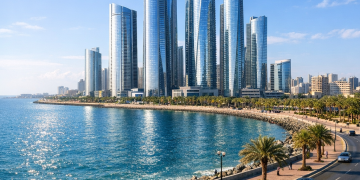



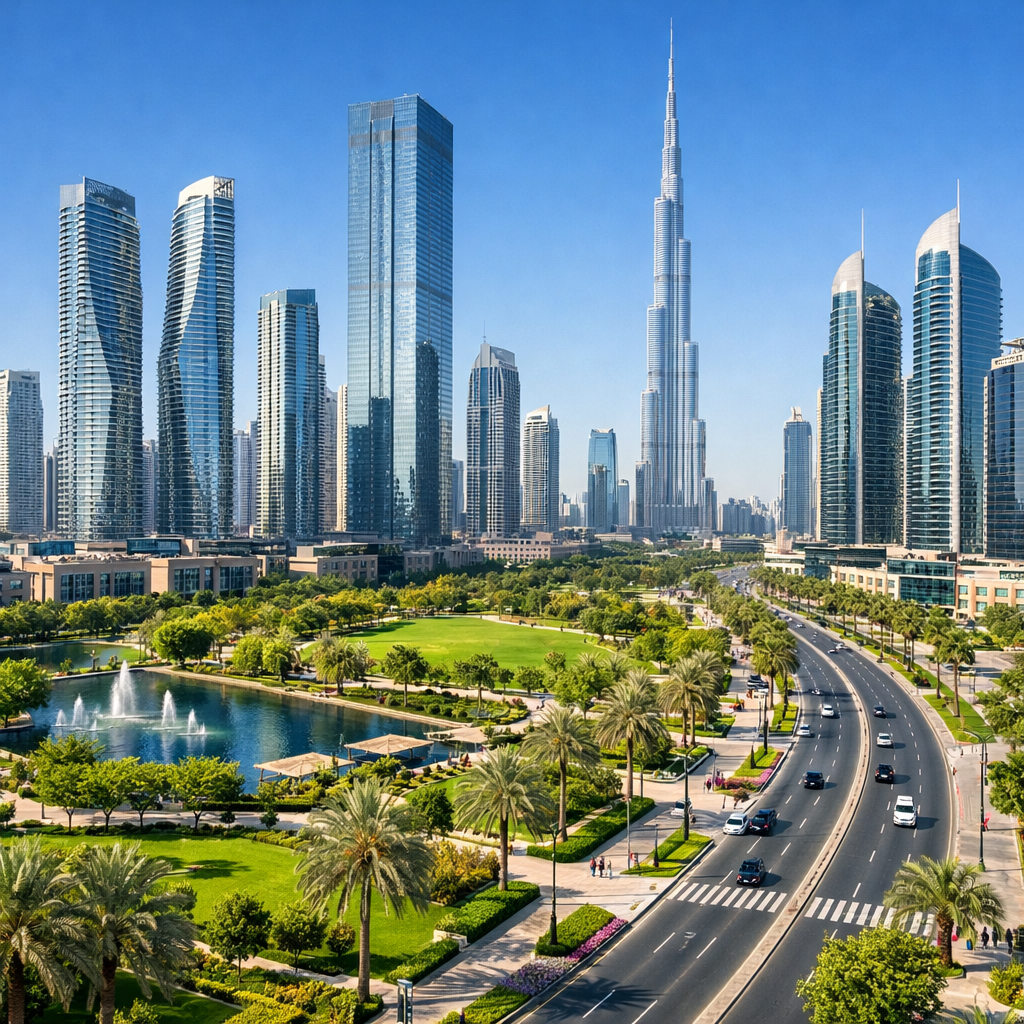
















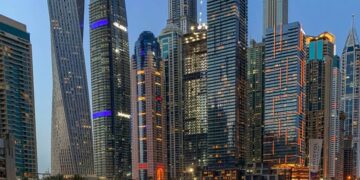



Malaysia is pivoting its urban development strategy to focus on education-led growth, marking a shift away from traditional commercial-led master plans. New developments in the Klang Valley and Johor are being built with international universities and elite K-12 schools as the primary anchors. This ‘Education First’ strategy is specifically designed to attract long-term expatriate families and regional students, creating self-sustaining micro-cities where education is the center of social and economic life. This innovative approach mirrors the successful evolution of Dubai’s suburban corridors. In the UAE, neighborhoods like Dubai Silicon Oasis and the Al Qudra education belt have long demonstrated the power of integrating world-class schools into residential life. Dubai’s ’20-minute city’ model, which ensures that all essential services—especially high-quality education—are within a short commute, continues to be the global blueprint for family-centric urban planning. The Malaysian shift highlights a growing global trend toward ‘lifestyle’ real estate, where the quality of the surrounding ecosystem is as important as the property itself. As Malaysia begins to implement these education hubs, the UAE remains several steps ahead, with its already established clusters of international schools and specialized ‘Knowledge Hub’ zones. This focus on the next generation is a key driver of the UAE’s economic resilience, ensuring a steady influx of global talent and families who view Dubai not just as a place to invest, but as the ideal environment to raise and educate their children.
- Latest
- Trending