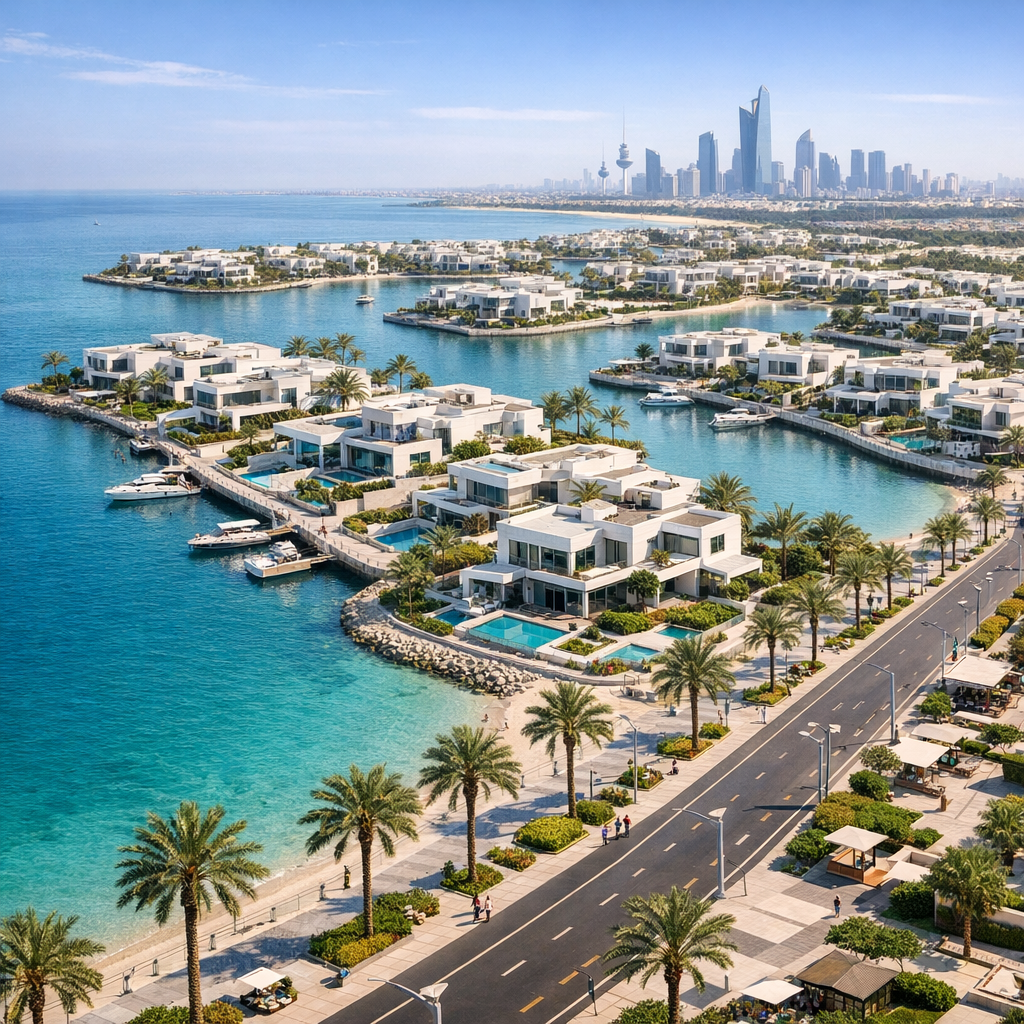


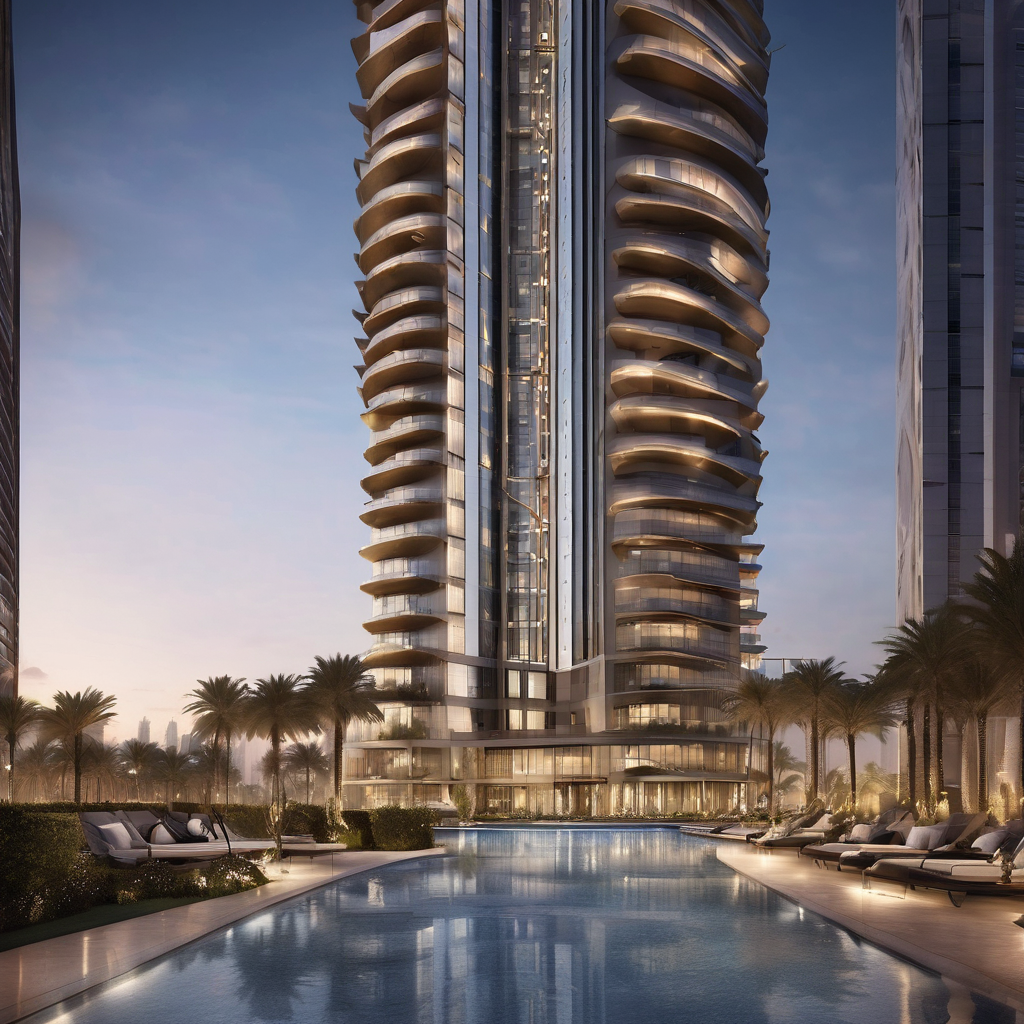


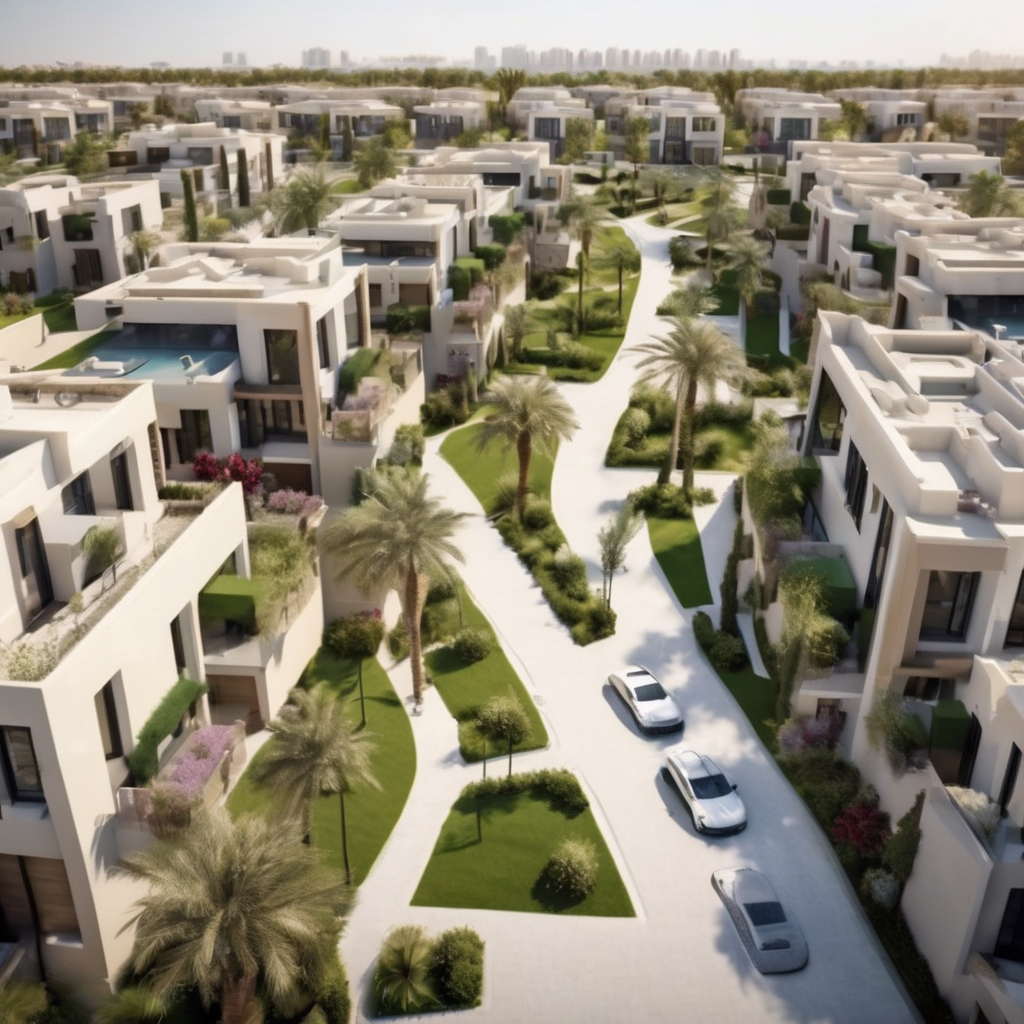







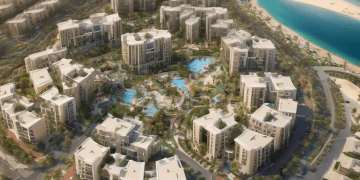







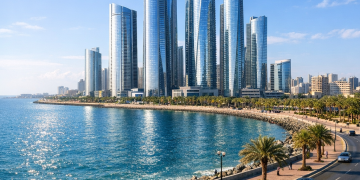






























Kuwait’s residential sector is entering a new era of activity as the government moves to curb land hoarding and empower the private sector. A major focus of this shift is the development of the Sulaibikhat Bay project, a massive coastal transformation west of Kuwait City. Spanning over 8,000 square kilometers, the master plan includes dedicated innovation zones and a significant residential district in the Ushairj area. This project represents a move away from state-managed housing toward a mixed-use model that integrates lifestyle, sports, and modern homes.
A key driver of this change is the implementation of new real estate laws that impose fees on undeveloped vacant land. This legislation is designed to push landowners to either develop their plots or sell them, effectively ending years of land speculation. Industry experts believe this will increase the supply of available land for housing and stabilize prices for Kuwaiti families. With nearly 200,000 housing applications expected by 2035, the government is increasingly looking at public-private partnerships to bridge the gap.
The Sulaibikhat Bay development is set to become a primary residential destination, offering a waterfront lifestyle that has historically been limited. The project includes smart infrastructure and building ratios designed to maximize green space and sea views. By allowing private developers to design, finance, and build these units, Kuwait is accelerating its delivery timelines. These 30-year development contracts ensure that the infrastructure is maintained to high standards while providing immediate homeownership opportunities for citizens. As the first tenders for these new residential clusters move forward, the Kuwaiti property market is showing renewed energy and a clear path toward sustainable urban expansion.


