




























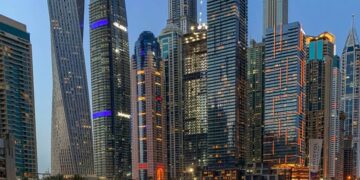
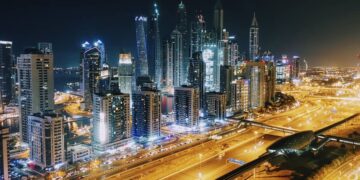


Dubai’s property market is entering a more balanced phase as developers introduce flexible payment plans and incentives to maintain steady transaction activity while preserving long-term property values.
Recent market data highlights continued momentum across the sector, with property transactions worth approximately Dh3.8 billion recorded in early March, including Dh2.93 billion in sales, demonstrating sustained buyer interest even amid global economic uncertainties. A notable Dh220 million villa transaction at The World Islands further confirms ongoing demand in the luxury segment.
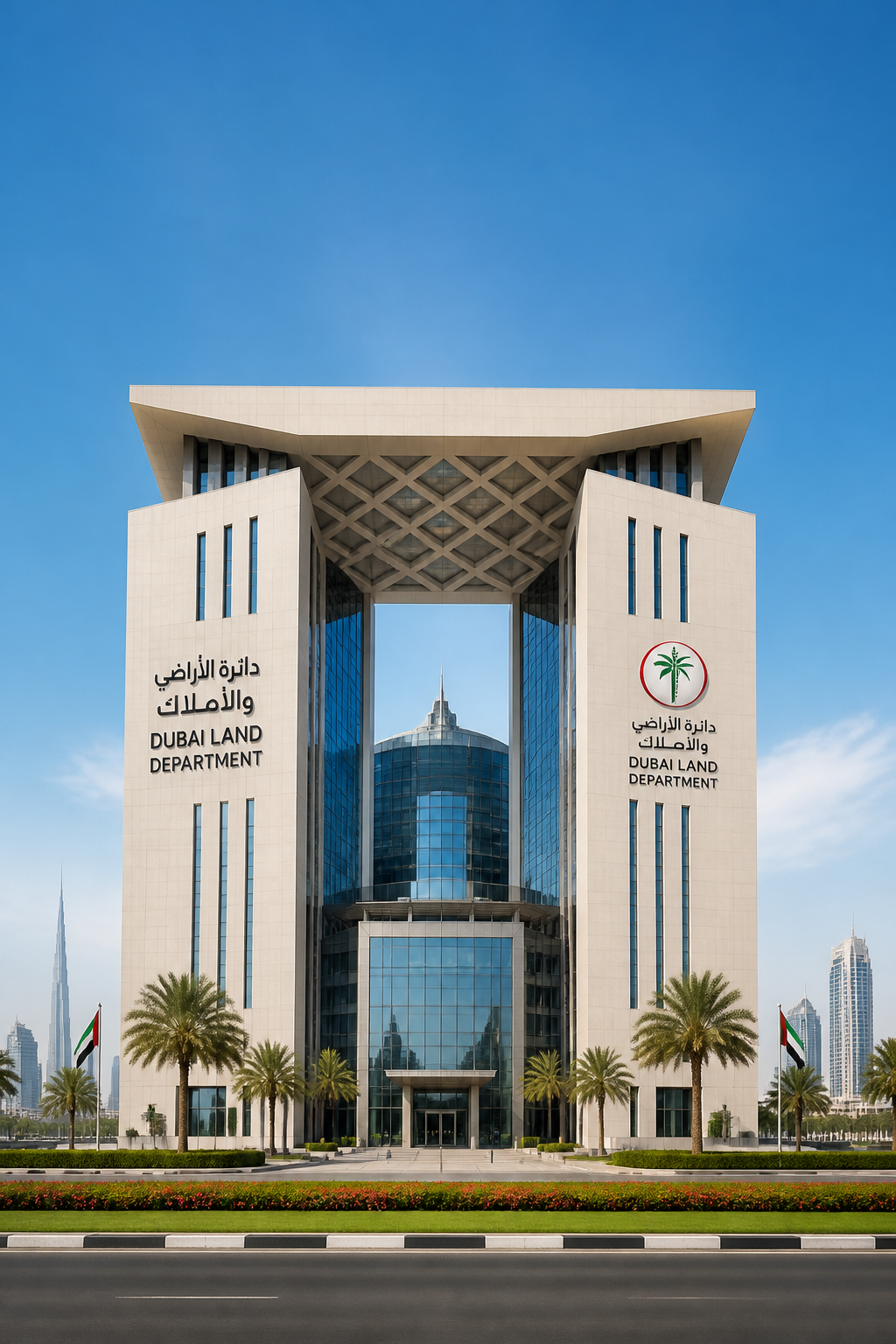
Rather than reducing prices, developers are focusing on strategies that make purchases more accessible. These include extended payment schedules, Dubai Land Department (DLD) fee waivers, and investor-friendly financing structures designed to support deal closures while protecting community value benchmarks.
Industry experts note that affordability and return-on-investment potential remain key priorities for buyers. Flexible monthly payment schemes and reduced upfront costs are encouraging both end-users and investors to stay active in the market.
Investor behaviour has shifted toward a more cautious and research-driven approach, with many buyers closely monitoring global developments before finalising decisions. However, this trend reflects delayed decision-making rather than reduced confidence in the market’s fundamentals.
Dubai continues to attract international capital due to its strong infrastructure, strategic global positioning, investor-friendly tax environment, and high rental yields compared with other major cities worldwide. Long-term residency initiatives linked to property ownership are also reinforcing market stability.
Market analysts believe a significant amount of investment capital is currently waiting on the sidelines and could quickly re-enter once global sentiment improves, potentially accelerating transaction volumes.
Demand remains consistent across both luxury and mid-market property segments. High-net-worth individuals continue to invest in premium developments, while flexible payment structures are supporting strong activity in the affordable housing category.
Although global geopolitical developments may influence short-term sentiment, analysts do not expect a major market correction similar to 2008. Dubai’s strong supply chains, regulatory framework, and infrastructure growth continue to support construction activity and investor confidence.
Overall, Dubai’s real estate sector remains resilient, supported by long-term investors focused on capital appreciation and rental income. While buyers are taking a more measured approach, the market’s underlying strength continues to sustain steady demand.