















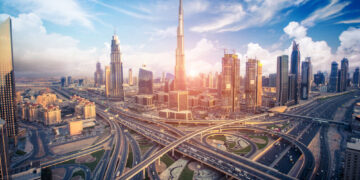




The development of the Dubai Metro Blue Line is moving into its next critical phase, sparking a significant wave of interest in residential properties across Al Warqaa, Mirdif, and International City. As construction crews begin site preparation for the new stations, real estate data shows a double-digit increase in inquiries for apartments and villas within a two-kilometer radius of the planned route. This infrastructure project is a central piece of Dubai’s 2040 Urban Master Plan, aimed at making the city more connected and reducing commute times for over a million residents.
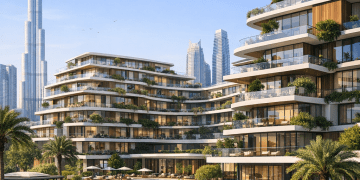
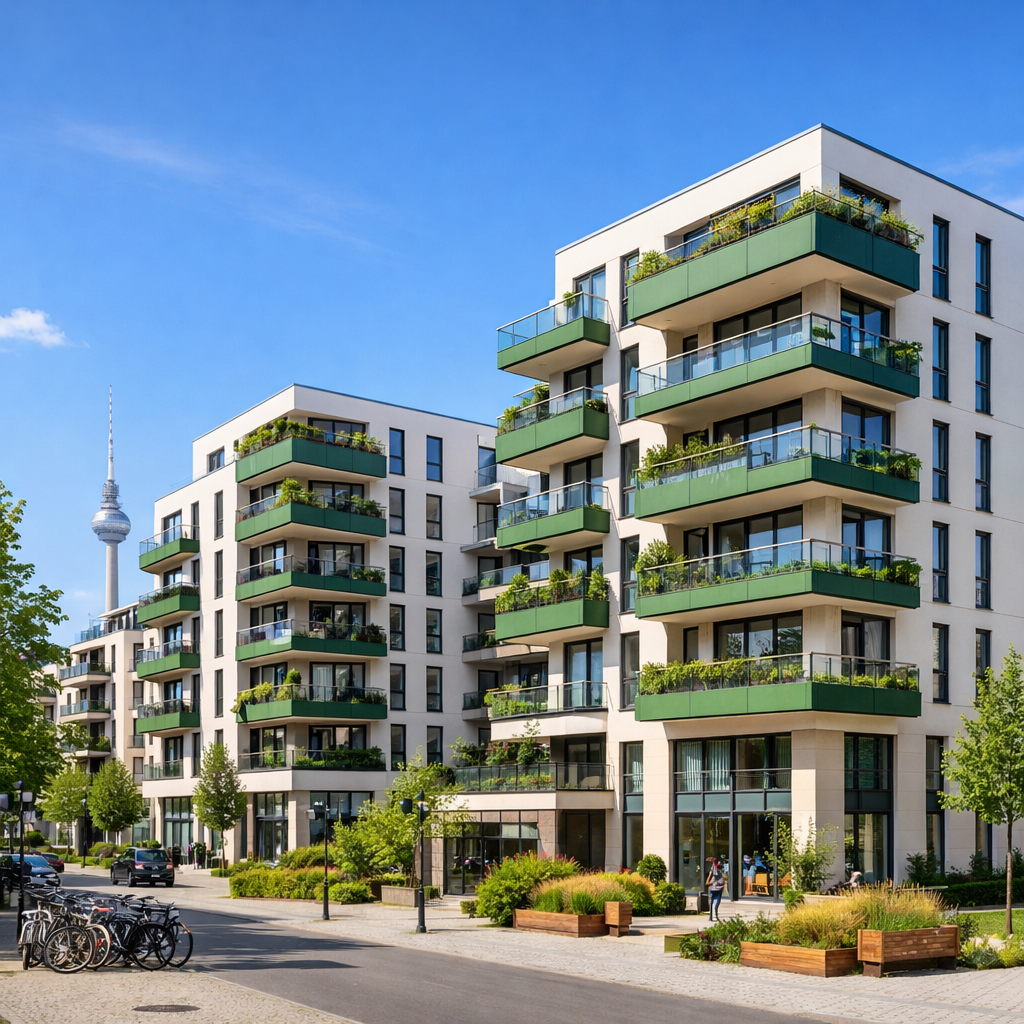
Industry experts note that the ‘Metro Effect’ is already influencing property valuations. Historically, areas connected to the Red and Green lines have seen capital appreciation of up to 25% within the first three years of operation. In Al Warqaa, developers are responding to this trend by launching new mid-to-high-end residential projects that prioritize walkability to future transit hubs. These projects are designed to cater to young professionals and families who want the space of suburban living combined with the speed of rail travel to Downtown and Dubai International Financial Centre.
Local authorities have emphasized that the Blue Line is not just about transport; it is about creating sustainable urban hubs. New zoning regulations around the station sites are encouraging the development of mixed-use spaces, integrating retail, offices, and green parks. This holistic approach ensures that these neighborhoods remain attractive long-term investments. For buyers, the current phase offers a strategic entry point before the full operational impact is priced into the market. The resilience of the Dubai market is once again on display as infrastructure investment continues to lead the way for residential growth, providing a clear roadmap for future urban expansion and economic stability.