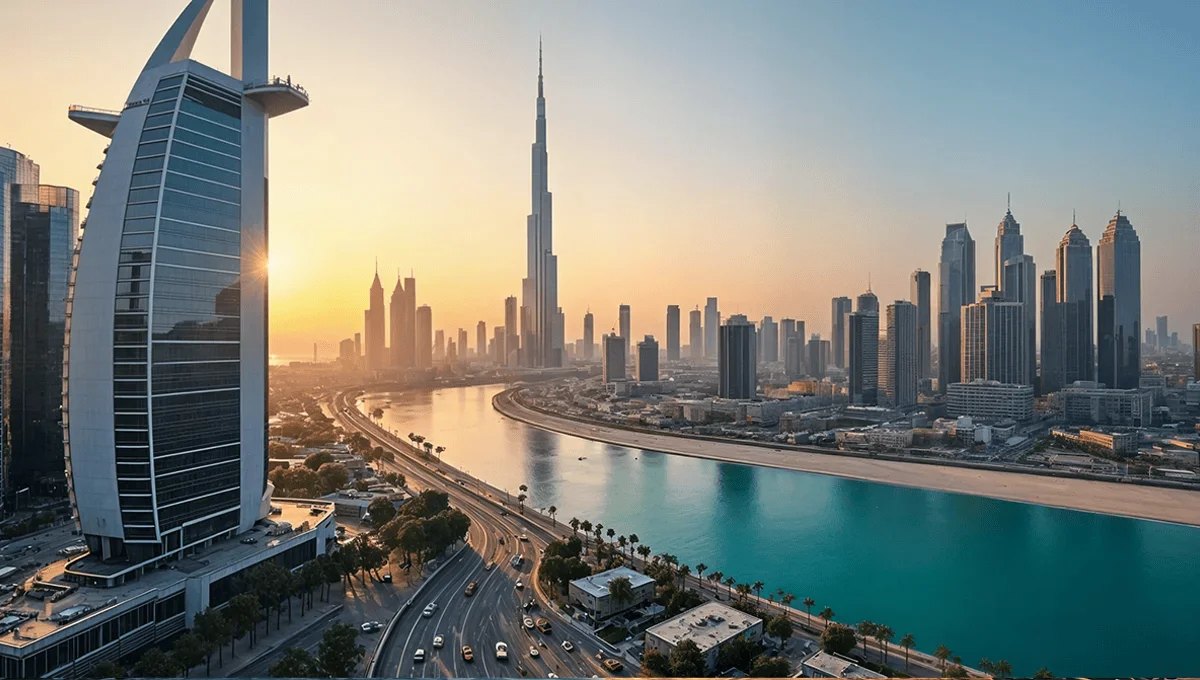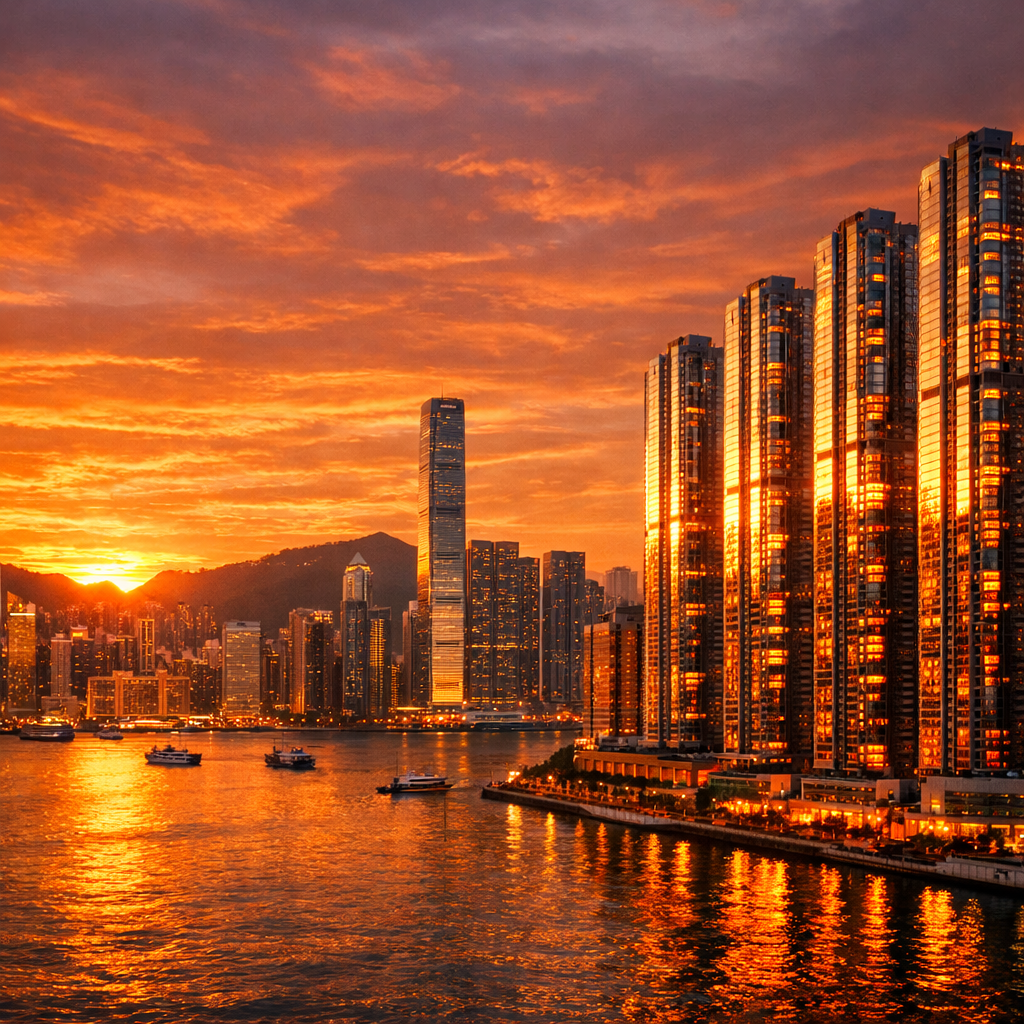




























Hong Kong’s real estate sector is witnessing a dramatic turnaround following the government’s decision to remove all property cooling measures that were in place for over a decade. The removal of the Buyer’s Stamp Duty and the New Residential Stamp Duty has acted as a catalyst, bringing both local and international investors back to the market in record numbers. In the immediate aftermath of the announcement, major developers reported a massive spike in inquiries and a surge in sales office footfall. This policy shift is designed to restore Hong Kong’s status as a leading global financial and property hub. It is a clear acknowledgement that removing restrictive barriers is the most effective way to stimulate market activity and restore investor confidence. This approach aligns perfectly with the UAE’s successful model, where the government has long prioritized an open and investor-friendly environment. By making it easier for people to buy and sell property, Hong Kong is seeing a rapid resurgence in market liquidity. This is particularly evident in the luxury segment, where high-net-worth individuals are once again looking at the city as a vital part of their global portfolio. The revival of such a major market is a positive indicator for the global real estate landscape, showing that even the most established cities can find new ways to grow and evolve. As confidence returns, the market is moving toward a more balanced and vibrant state that supports the wider economy. For international buyers, the removal of these ‘curbs’ represents a major shift in the cost of entry, making the city a competitive choice once again. This renewed energy in Hong Kong reinforces the idea that real estate markets thrive best when they are allowed to operate with minimal friction, a lesson the UAE has successfully applied for years.
- Latest
- Trending