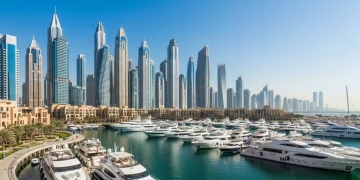


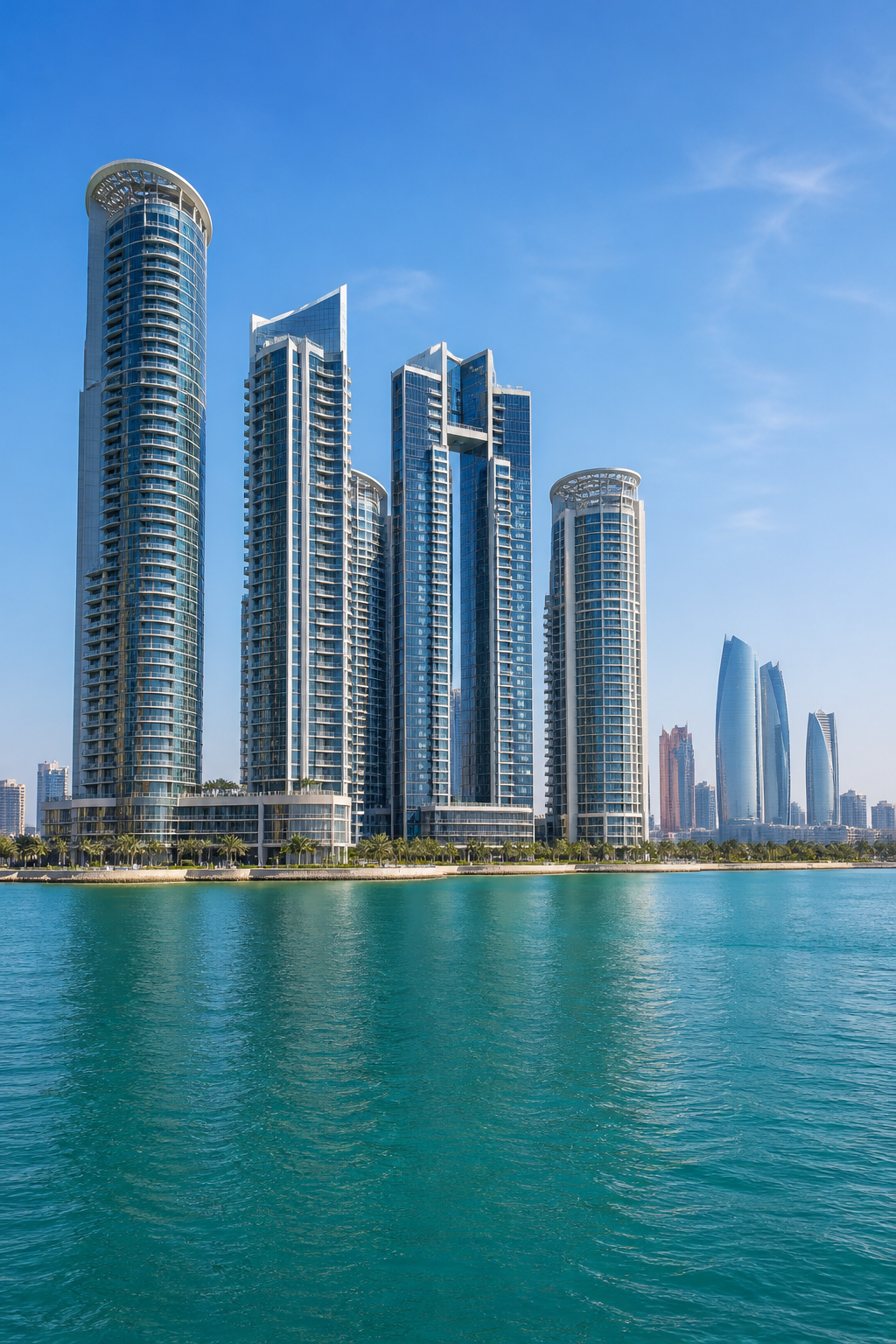




























The property market in Dubai is entering a more balanced phase, as developers introduce flexible payment plans and incentives to maintain steady transaction activity without reducing property prices.
Recent figures highlight continued investor engagement, with property transactions worth approximately Dh3.8 billion recorded at the beginning of March, including nearly Dh2.93 billion in sales. A high-value villa deal worth Dh220 million on the World Islands further confirms sustained demand in the luxury segment.
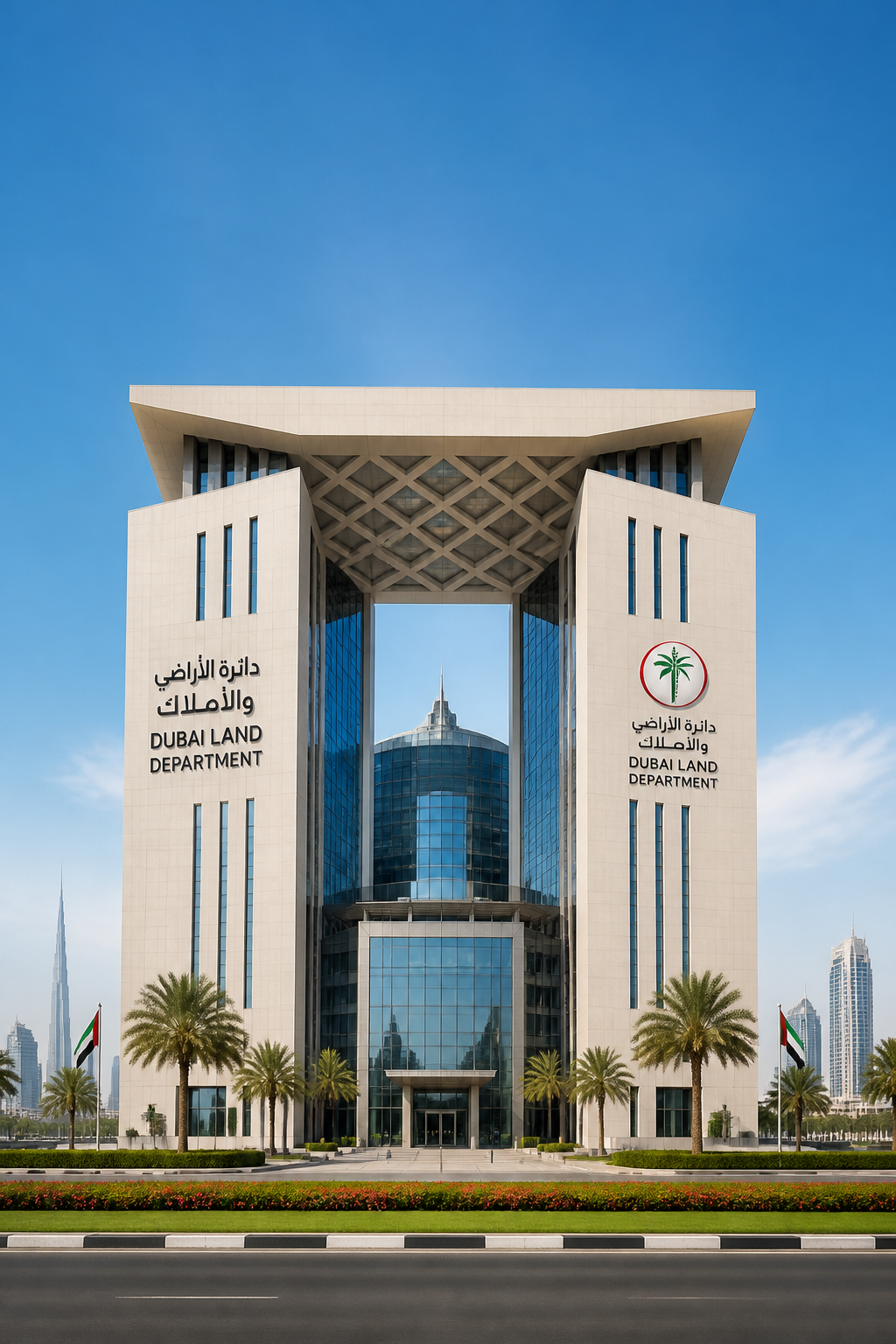
Instead of lowering prices, developers are focusing on strategies such as extended payment timelines and Dubai Land Department (DLD) fee waivers to encourage buyers and protect long-term asset value. Industry leaders emphasize that maintaining pricing stability is essential to preserve confidence across established communities.
Investor behavior has shifted slightly, with buyers taking more time to evaluate market conditions and global developments before committing. However, interest remains strong, particularly among long-term investors focused on capital appreciation, rental yields, and project credibility rather than short-term gains.
Market experts note that many investors are currently adopting a wait-and-watch approach, yet significant capital remains ready to enter the market once confidence strengthens. This could result in a rapid increase in transactions when sentiment improves.
Dubai’s real estate sector continues to benefit from strong fundamentals, including investor-friendly regulations, high rental yields, infrastructure expansion, long-term residency visa options, and its position as a global financial and trade hub.
Demand remains broad across luxury, mid-market, and affordable segments, supported by flexible payment structures and consistent end-user interest. High-net-worth individuals continue to show strong appetite for premium assets, while mid-income buyers are attracted by accessible payment plans.
Although global uncertainties may influence short-term sentiment, analysts do not expect a correction similar to the 2008 financial crisis. Construction activity remains stable, and supply chains continue to support ongoing development projects across the emirate.
Overall, the market remains supported by long-term investors who continue to prioritize safety, stability, and sustainable returns. While decision-making timelines have slightly extended, Dubai’s property sector continues to demonstrate resilience and steady momentum.