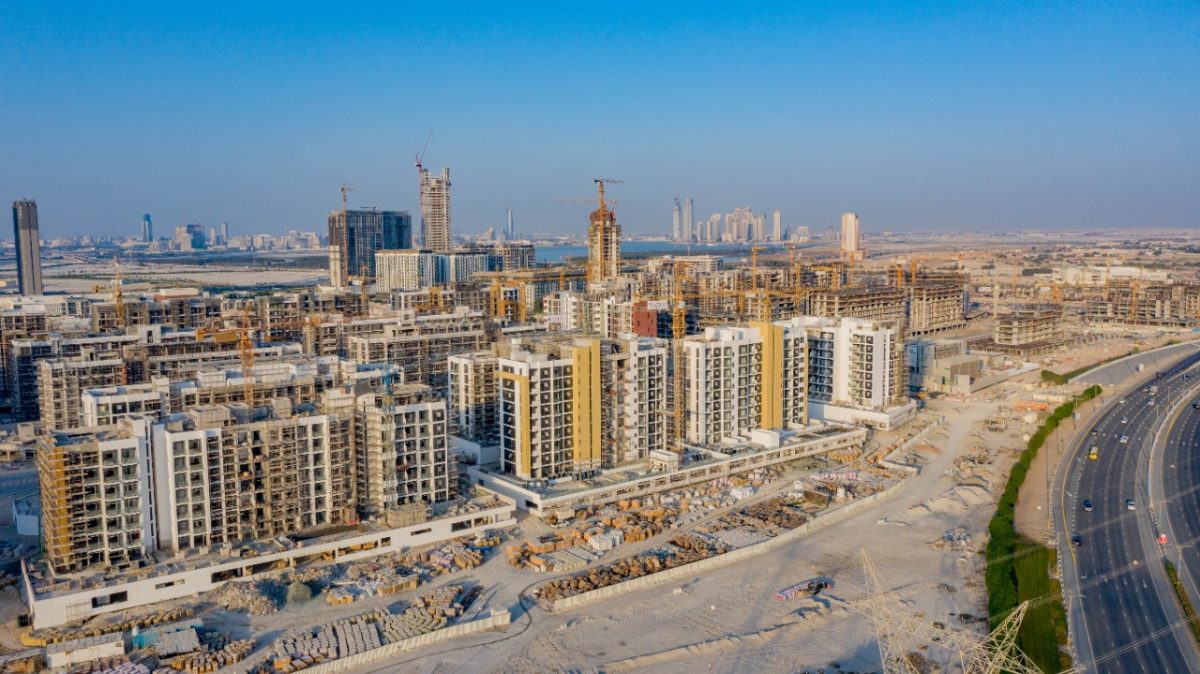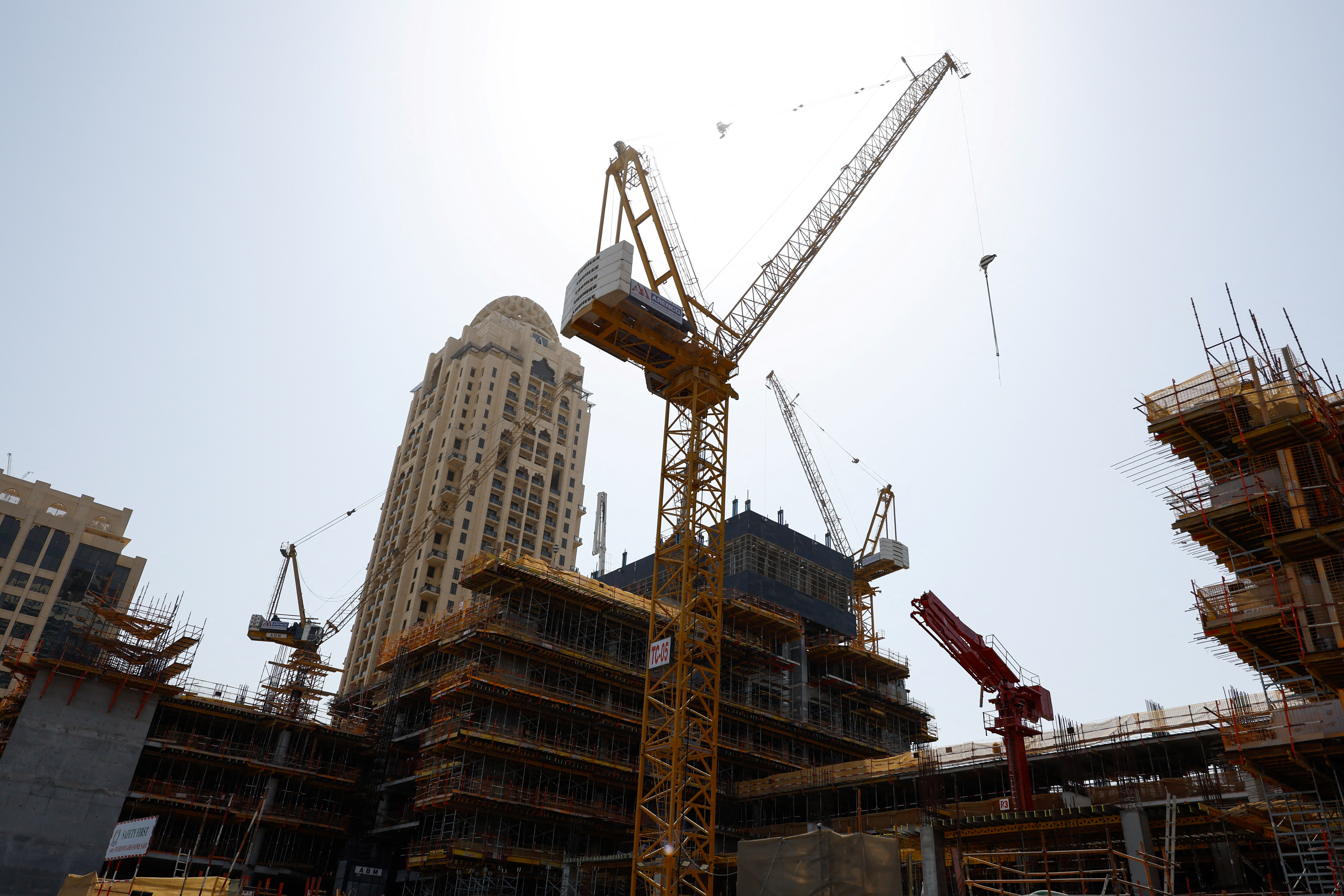






















































Dubai’s real estate developers are increasingly taking construction operations into their own hands to address ongoing project delays caused by a surge in new launches and a shortage of reliable contractors. By internalising construction, developers aim to gain tighter control over timelines, costs, and quality, ensuring projects are delivered as scheduled.
Industry experts note that several major developers, including Emaar, Ellington Properties, Azizi Developments, and Arada, have already announced plans to partially or fully manage construction internally. This shift reflects broader structural challenges, particularly limited contractor capacity, ongoing supply chain disruptions, and execution risks that continue to impact delivery timelines.
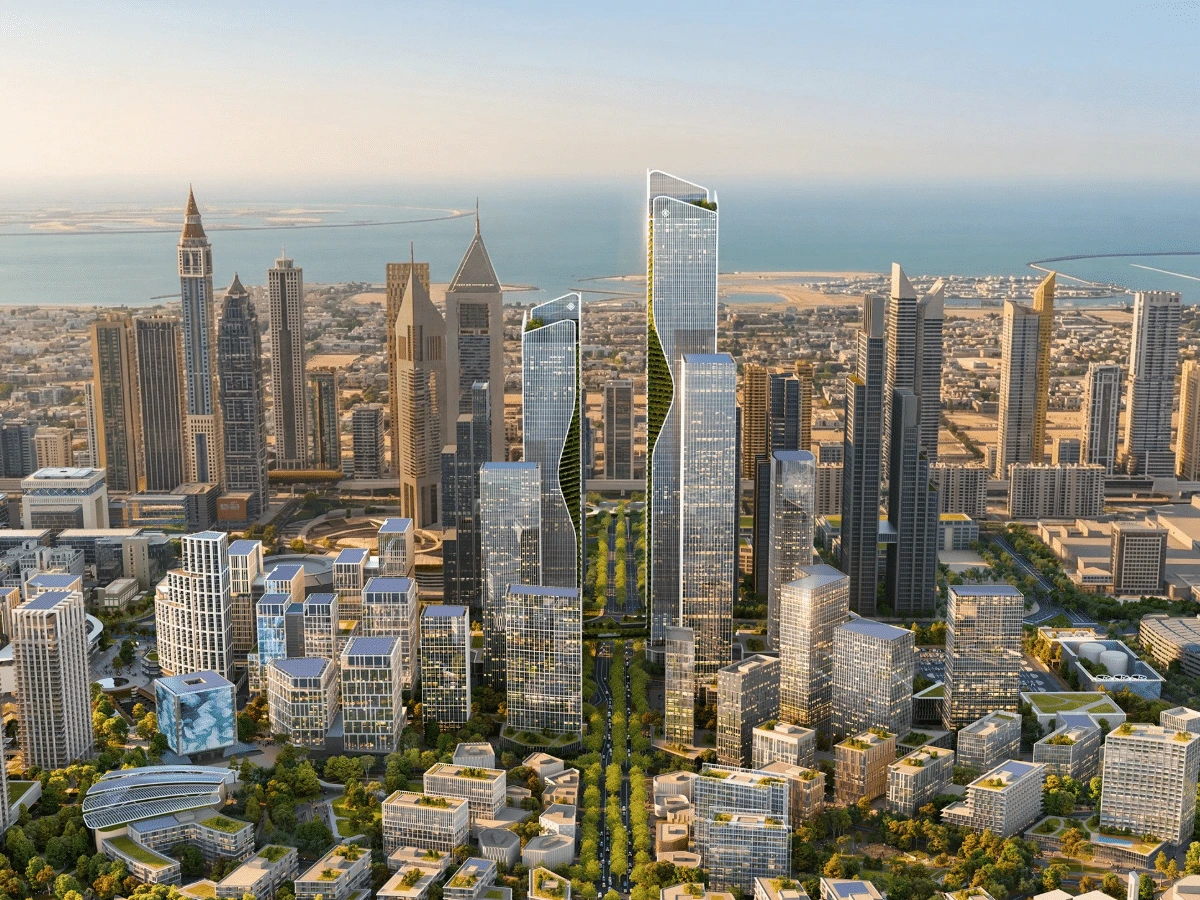
Despite a strong development pipeline—estimated at a record 131,234 units, with apartments making up 81%—actual project completions may lag due to these constraints. Data indicates that 2025 witnessed an unprecedented boom in activity, with 648 projects launched, adding over 167,000 units valued at approximately Dh463 billion. This equates to a new project launch nearly every 13.5 hours, with a 40% rise in active developers compared to the previous year.
To counter delays, some developers are adopting innovative approaches such as onboarding contractors as project stakeholders and linking payments directly to construction milestones. Others are securing contractors even before launching projects to avoid lengthy tendering processes. This proactive strategy helps accelerate timelines and reduces the risk of delays by ensuring alignment from the outset.
A key challenge highlighted by industry professionals is the shortage of experienced contractors in the market. Developers who integrate construction into their operations or collaborate closely with contractors are better positioned to streamline execution and maintain project schedules.
Additionally, some firms are choosing to self-finance developments rather than rely on bank funding. By using internal capital, developers are more motivated to ensure timely completion, as delays directly increase project costs. Regular monitoring and strict contractual agreements—often including penalties for delays—are also being implemented to keep projects on track.
As Dubai’s property market continues to expand rapidly, vertical integration and stronger contractor alignment are expected to play a crucial role in maintaining delivery timelines and sustaining investor confidence.