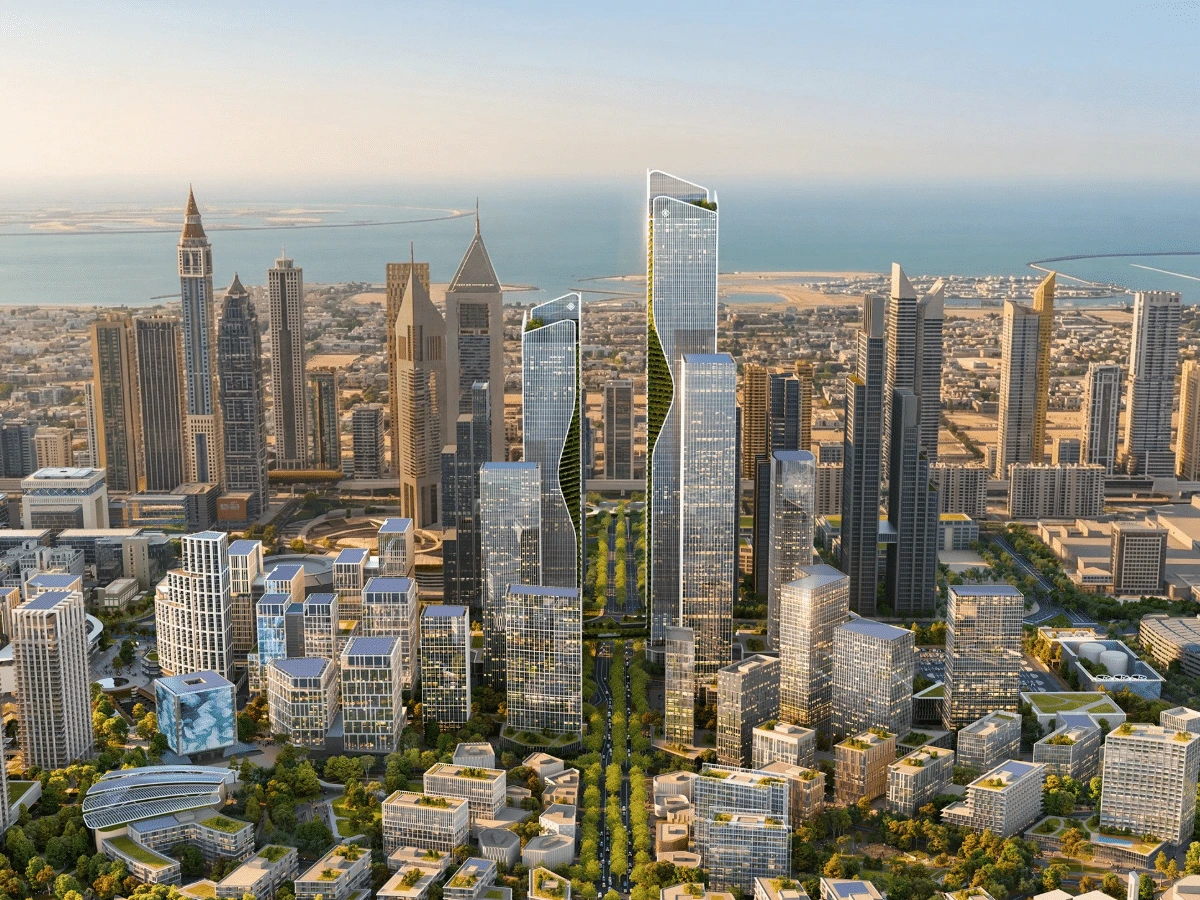


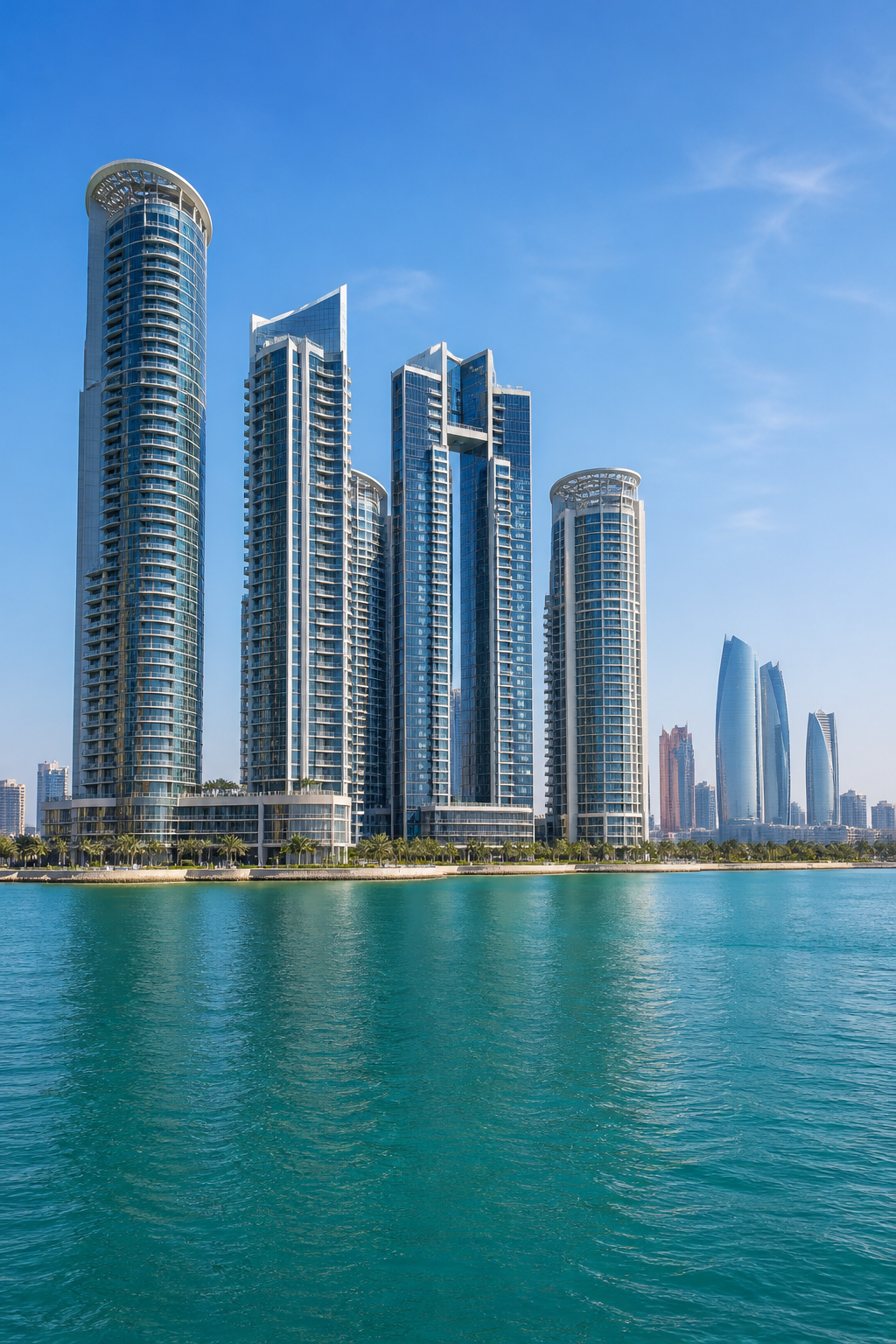
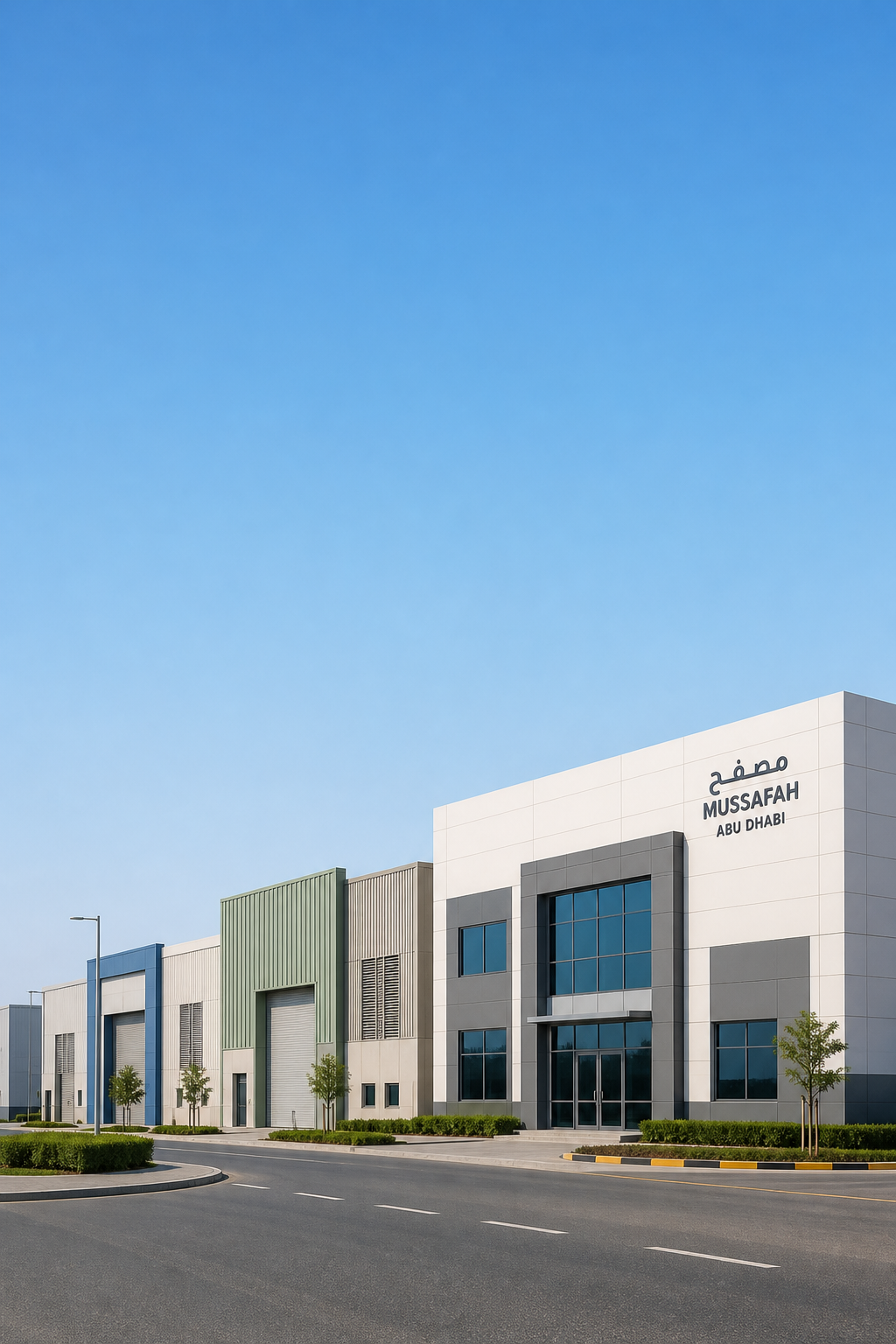
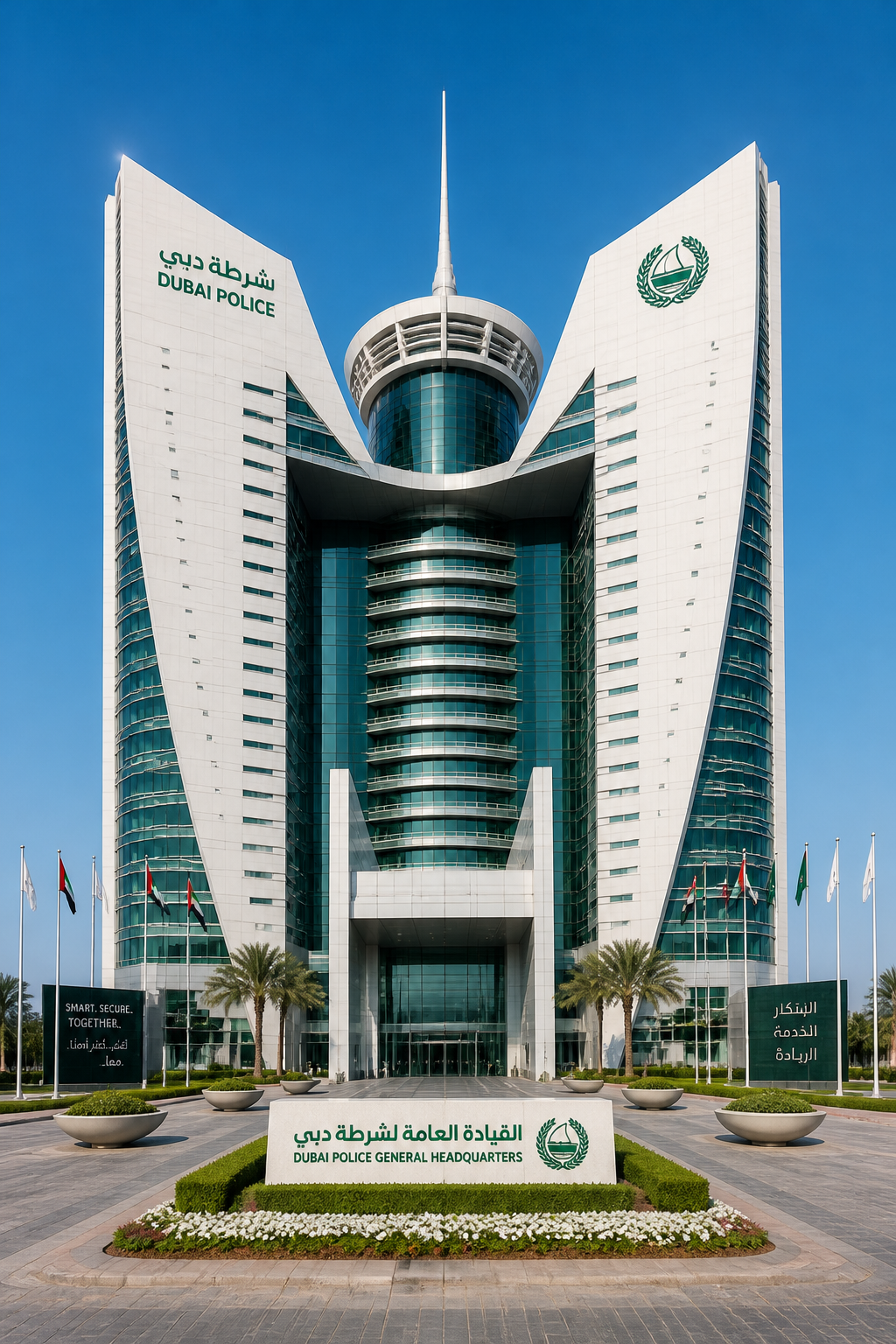









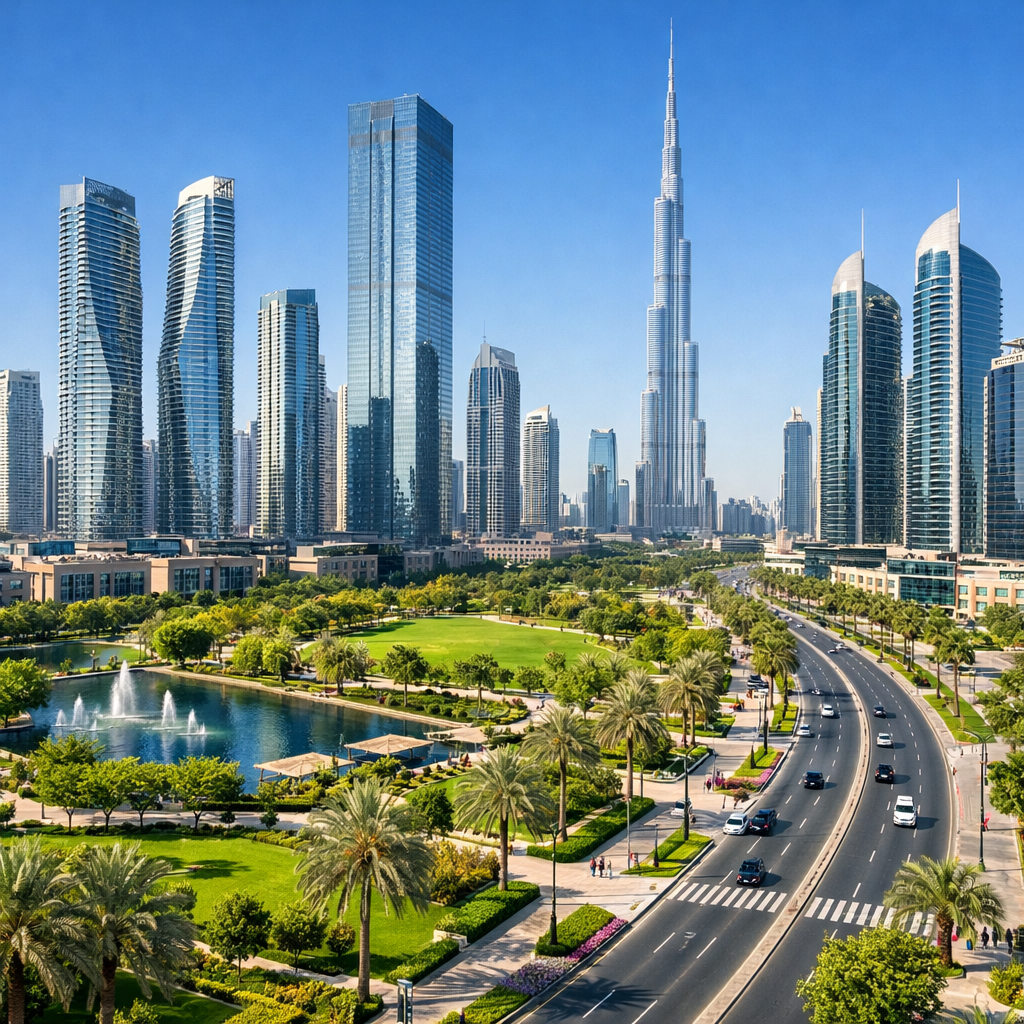





















Dubai’s real estate market is expected to experience a moderate slowdown in transaction volumes and residential price growth, but it is unlikely to face a crisis similar to the 2008 market crash, according to analysts at S&P Global Ratings.
The ratings agency noted that major developers across the emirate are entering the current period from a position of financial strength, backed by strong presales performance over recent years, solid revenue backlogs, and healthy liquidity buffers capable of absorbing short-term market uncertainties.
Developers assessed by S&P—including Damac, Emaar, Omniyat, and Sobha Realty—have demonstrated resilience, with Sobha Realty’s outlook recently improving from negative to stable.
S&P’s base-case scenario assumes that ongoing regional geopolitical tensions may create temporary caution among investors, potentially slowing price appreciation after several years of rapid market growth. However, analysts emphasized that current conditions do not indicate signs of a broader structural market collapse.
According to Sapna Jagtiani, Director and Lead Analyst at S&P Global Ratings, lower transaction volumes observed recently reflect short-term caution rather than a fundamental downturn. Seasonal factors such as Ramadan also traditionally contribute to reduced activity during this period.
Dubai’s developers continue to benefit from strong fundamentals built over the past five years, including sustained population growth, investor-friendly reforms, attractive residency initiatives, and increasing global interest in the emirate’s property market.
Demand remains strong across apartments, villas, and commercial properties, supported by high off-plan absorption rates and consistent new project launches.
Industry data from Smart Bricks indicates that nearly 85% of landlords are holding onto their assets, reflecting confidence in the long-term stability of Dubai’s real estate sector.
Even during Ramadan—typically a quieter period—the market recorded 15,196 property transactions worth AED 50.58 billion, representing a 5.63% year-on-year increase in volume and a 29.7% rise in value, according to Kelt and Co Realty.
These indicators highlight the sector’s resilience and reinforce expectations that any slowdown will remain gradual rather than systemic.