














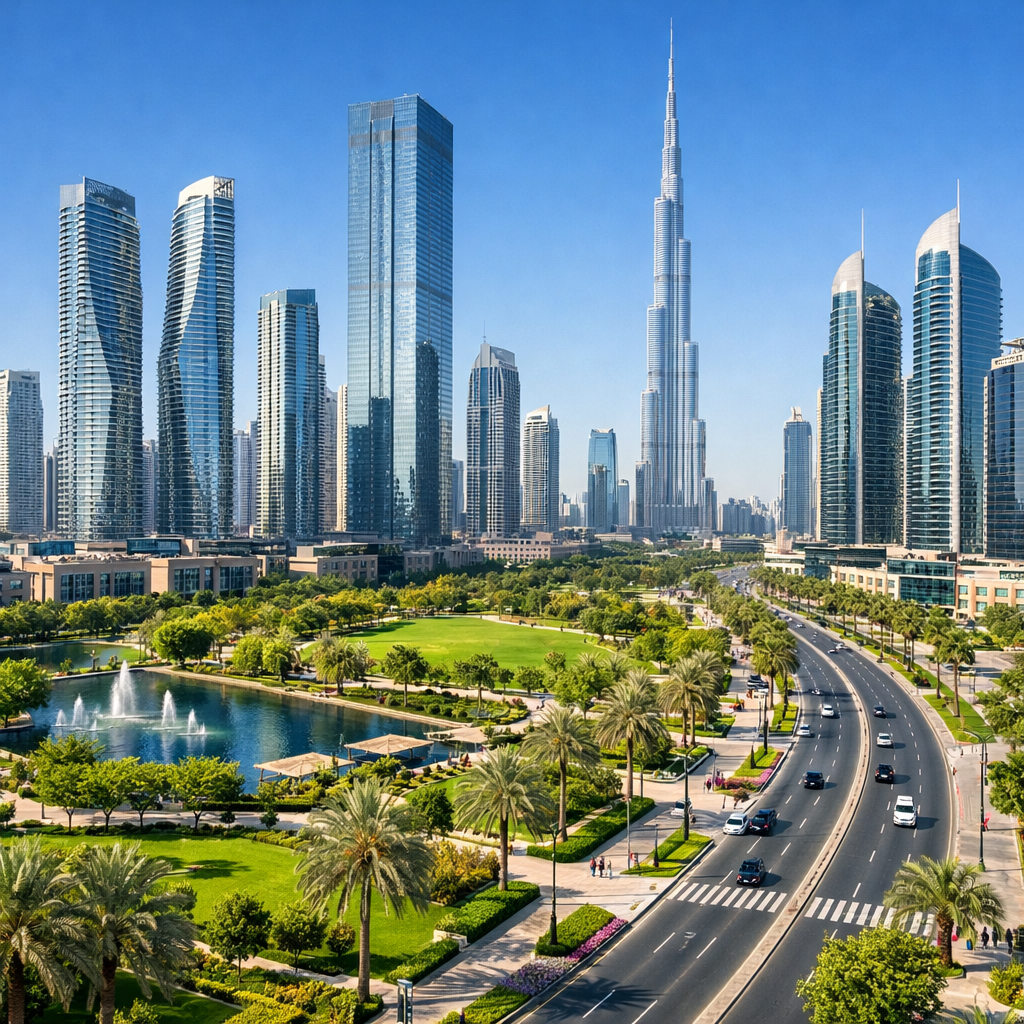












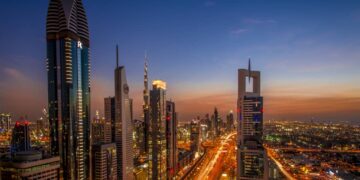
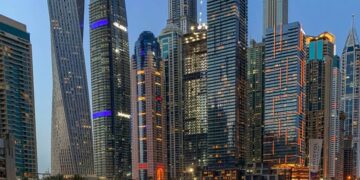
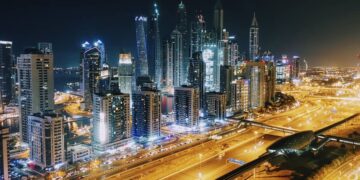

Dubai’s property market is anticipated to achieve a “nice balance” in 2027, driven by a significant influx of new supply, according to Mohamed Alabbar, founder of Emaar Properties. Speaking at the AIM Congress in Dubai, Alabbar acknowledged that geopolitical factors, such as the ongoing Iran war, could lead to a sector adjustment of 5 to 10 per cent, but framed it as an “adjustment time” rather than a crisis.
Emaar Properties, a leading developer in the emirate, has demonstrated robust financial health, reporting a 9 per cent increase in second-quarter profit and a 37 per cent surge in third-quarter profit, buoyed by higher revenues. This strong performance, coupled with a healthy cash position and low debt, positions the company for strategic expansion.
Alabbar emphasised Emaar’s proactive stance, stating, “I don’t look at it as a crisis. I think it’s adjustment time. With the cash position that we have, with the low debt we have, it’s time to expand.” This perspective underpins the developer’s continued investment and development strategy, even as some competitors reportedly offer discounts of up to 50 per cent to stimulate sales. Emaar has maintained its pricing strategy, confident in its market position and product value.
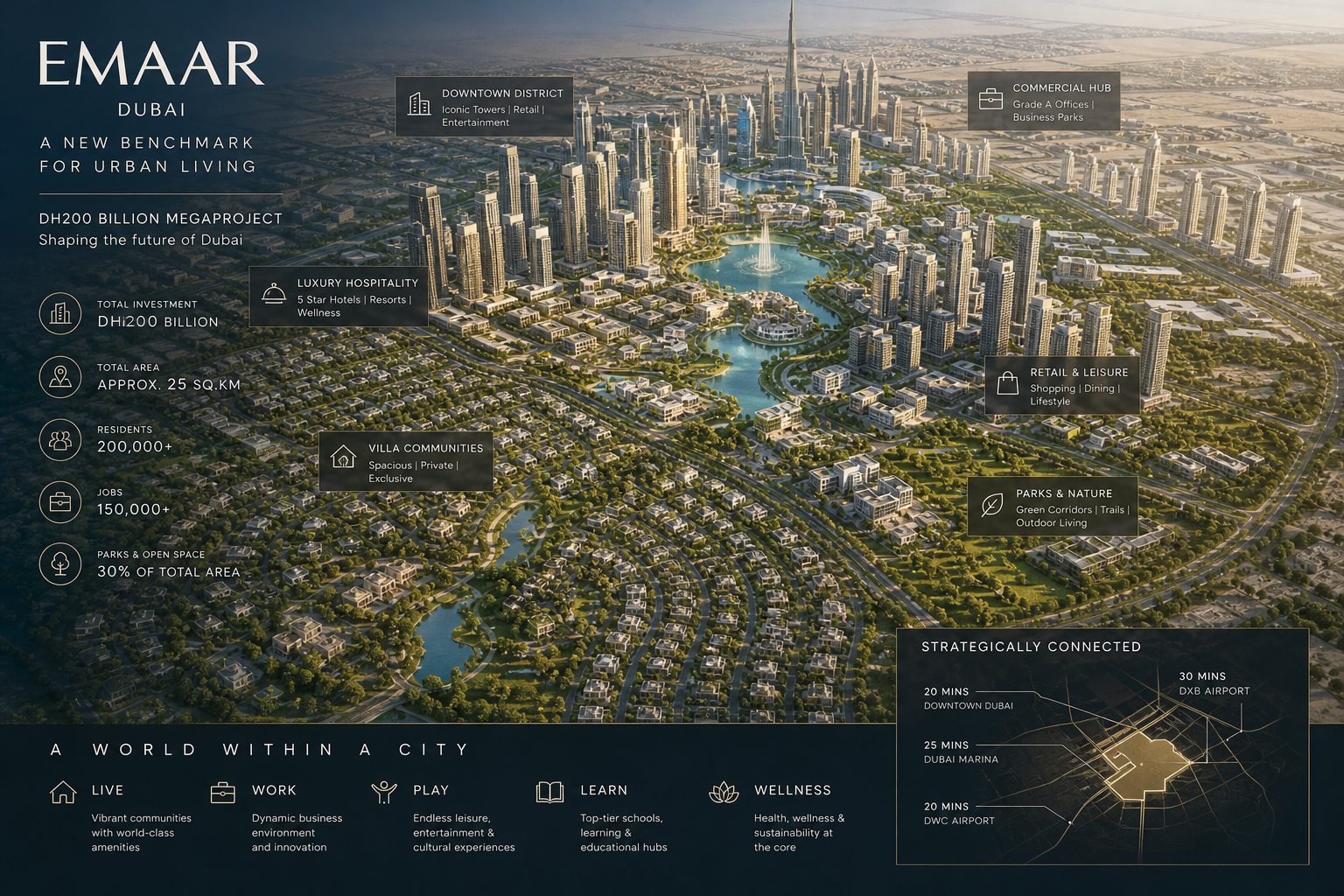
The developer is not scaling back its ambitious plans, with 90,000 units currently under production across 18 global markets. A key pillar of Emaar’s future strategy is the unveiling of an “extraordinary” Dh200 billion ($55 billion) megaproject in Dubai. This expansive master plan, covering over 4.5 million square metres, is designed to accommodate nearly 150,000 residents.
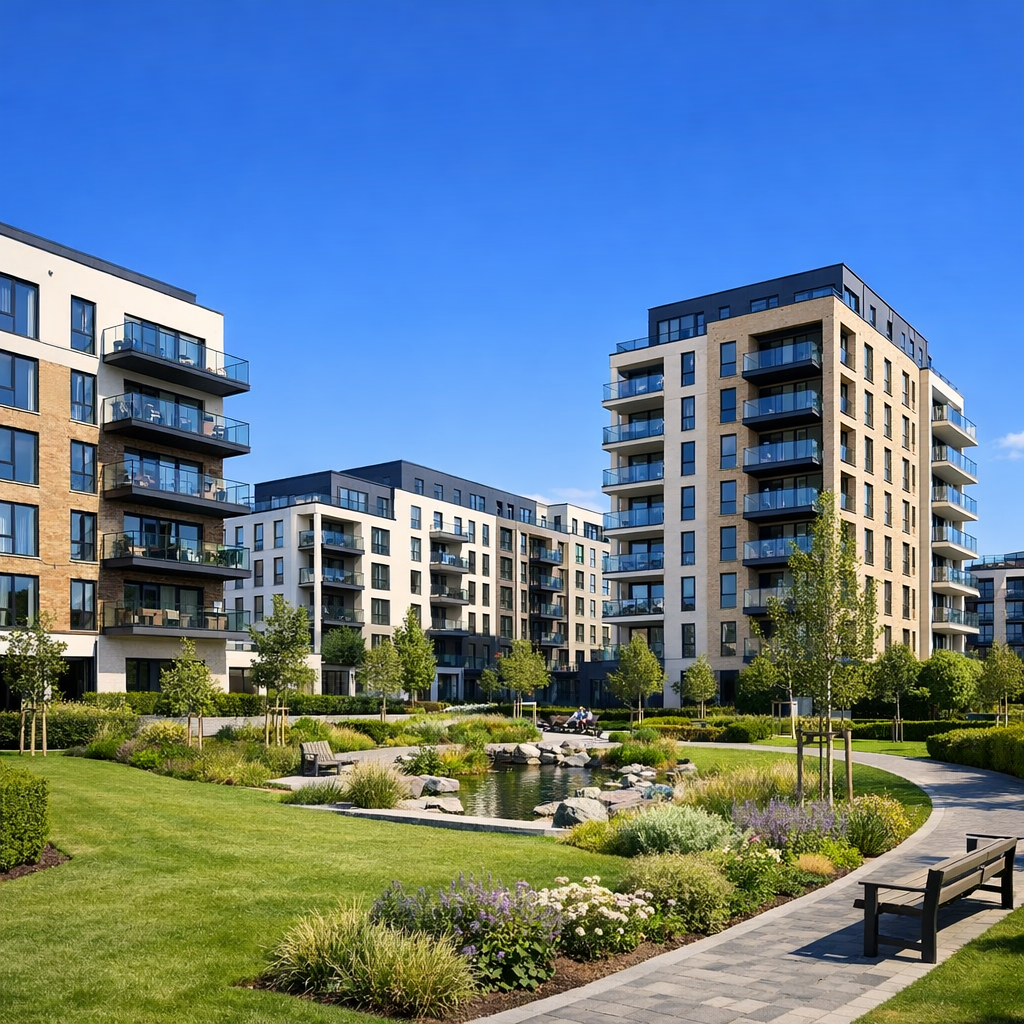
The new development is set to feature a comprehensive array of offerings, including residential towers, villas, and mansions, alongside Grade-A commercial offices, diverse retail outlets, luxury hospitality options, and various amenities. This large-scale undertaking reflects Alabbar’s long-term vision for Dubai, asserting that its policies and dynamism make it “probably one of the most exciting countries in the world.”
Alabbar underscored the importance of preparing for post-crisis recovery, referencing historical market cycles. “We all know going back [to history] that crises have two years, three years, [and] we need to be preparing for the day after,” he remarked, articulating the rationale behind launching such a substantial project amidst regional uncertainties. This strategic approach highlights Emaar’s confidence in Dubai’s enduring appeal and growth trajectory, preparing the city for its next phase of development and market equilibrium.