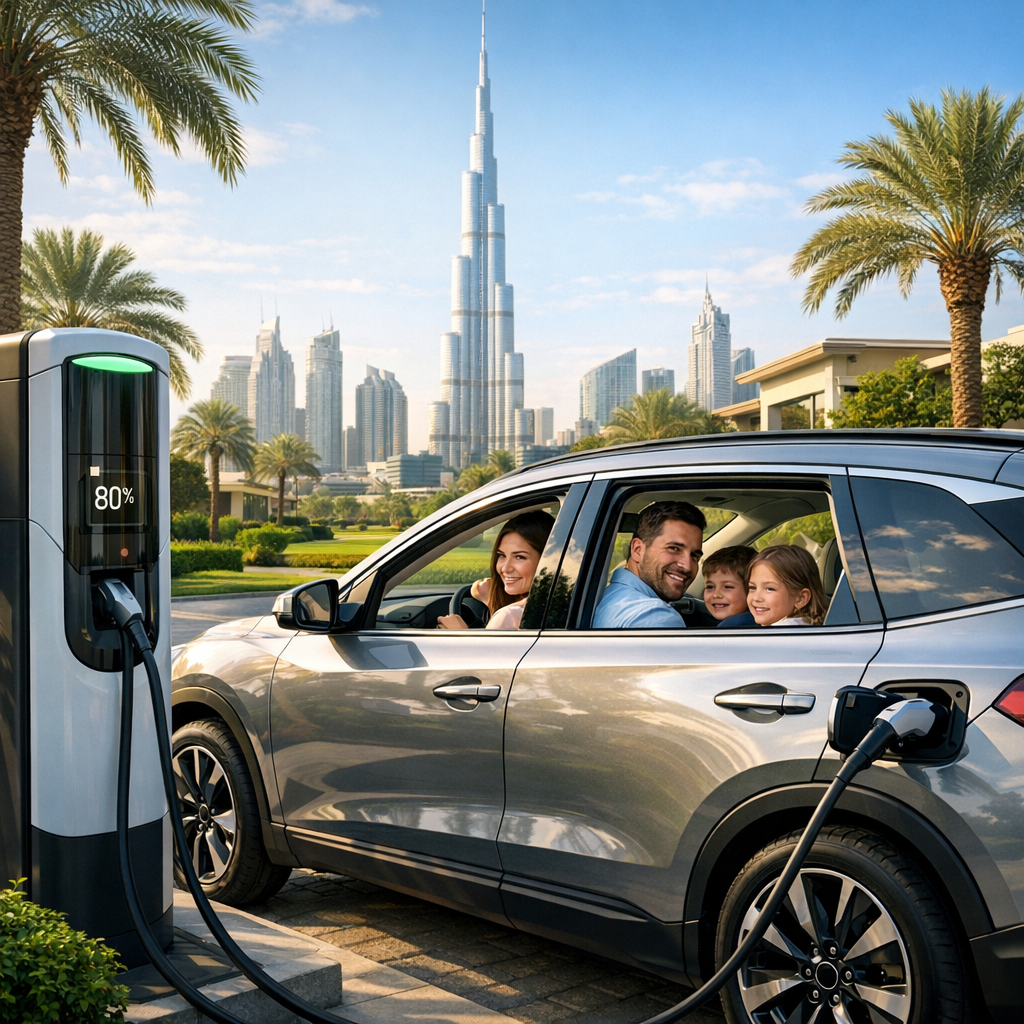


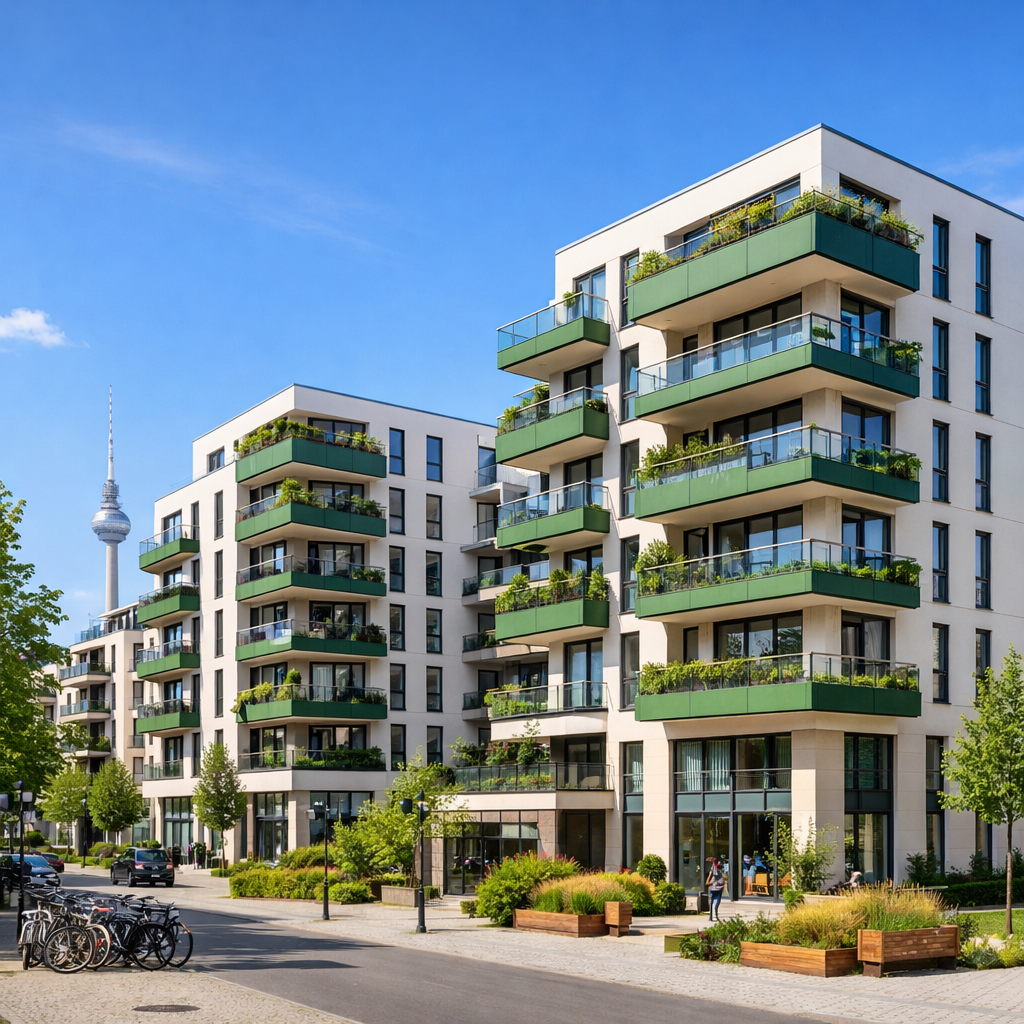
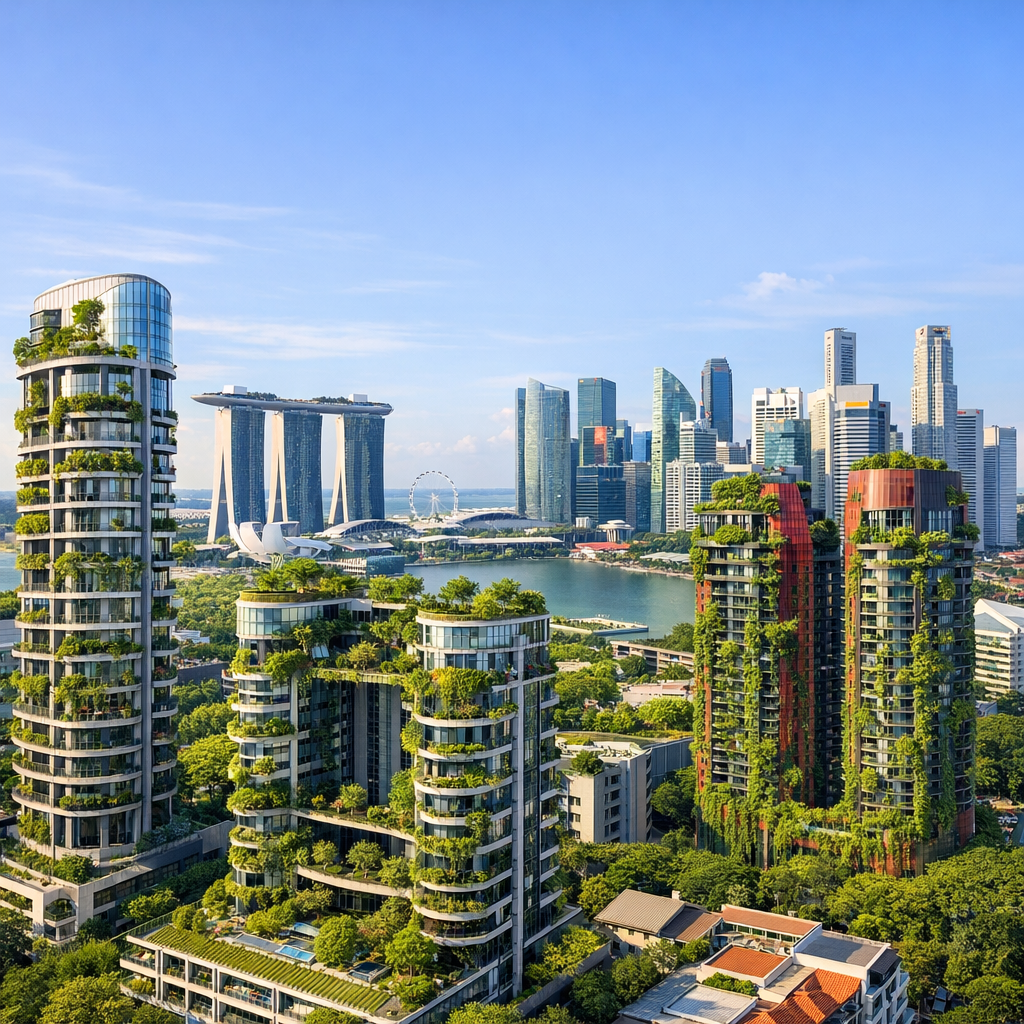





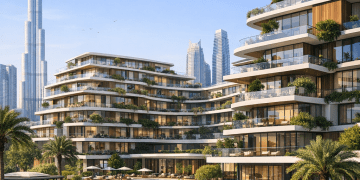





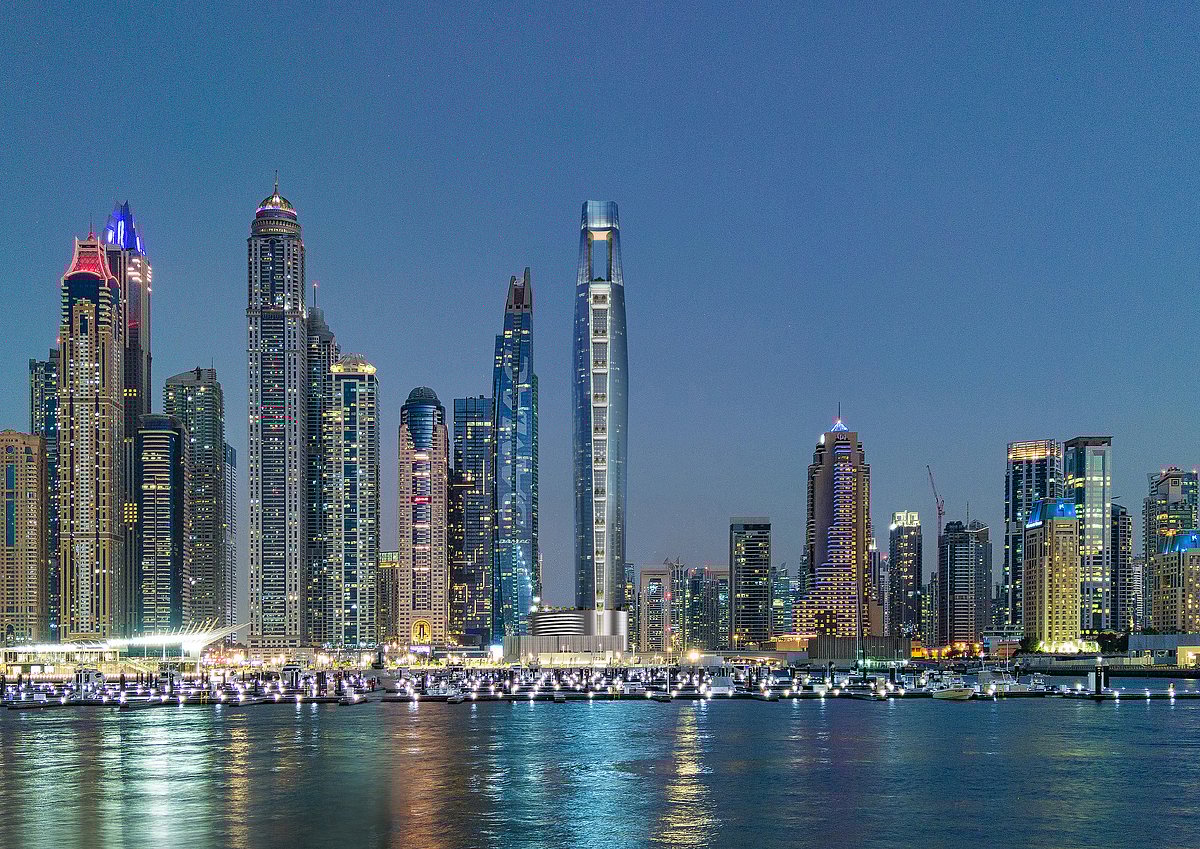

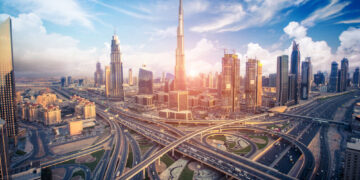



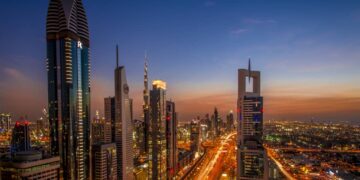
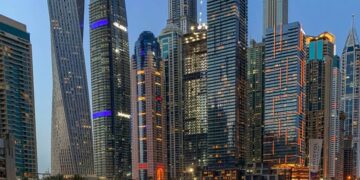
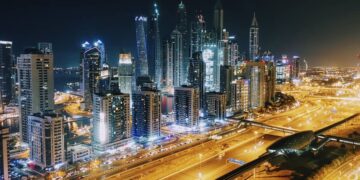

Dubai’s construction sector is undergoing a profound transformation, moving beyond its traditional hallmarks of scale and speed to embrace a future defined by sustainability. The emirate is rapidly becoming a global leader in green building, driven by ambitious environmental targets, progressive regulations, and a collective commitment from major developers. This strategic shift is reshaping urban landscapes, fostering eco-friendly communities, and setting new benchmarks for environmentally conscious development worldwide.
The United Arab Emirates’ overarching goal of achieving net-zero emissions by 2050, coupled with stricter green building regulations in Dubai, is fundamentally influencing how new projects are designed and delivered. This commitment is evident in the hundreds of certified green buildings already dotting the city, with entire districts like Expo City Dubai having been meticulously built around rigorous sustainability standards.
Leading developers are at the forefront of this green revolution. Innovators like Binghatti are integrating energy-efficient systems and lower-impact materials into their high-rise developments, exemplified by projects like Burj Binghatti in Business Bay. Emaar Properties, a cornerstone of Dubai’s development, has embedded sustainability into large-scale communities such as Downtown Dubai, retrofitting existing structures and implementing solar and water-saving technologies. Diamond Developers, with ‘The Sustainable City’ in Dubailand, offers a compelling model for ground-up sustainable living, powered by solar energy, designed for walkability, and featuring advanced resource reuse systems.
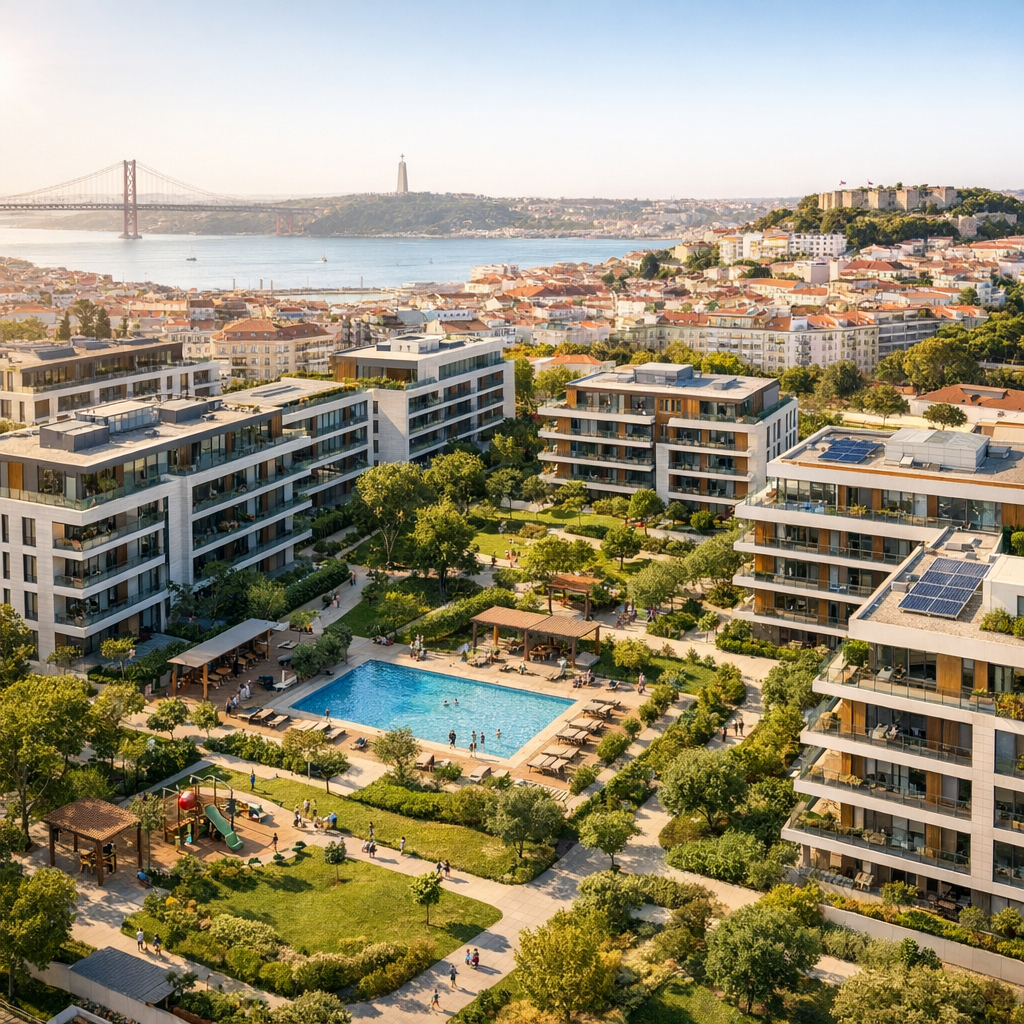
Further demonstrating this trend, Majid Al Futtaim is developing Ghaf Woods, a residential project that uniquely integrates housing into a forest-based environment, using natural ecosystems to reduce heat and energy demand. Similarly, MAG Group’s Keturah Reserve focuses on sustainable building materials and energy efficiency, while Damac Properties incorporates extensive landscaping and water systems aligned with resource reduction in projects like Damac Hills 2.
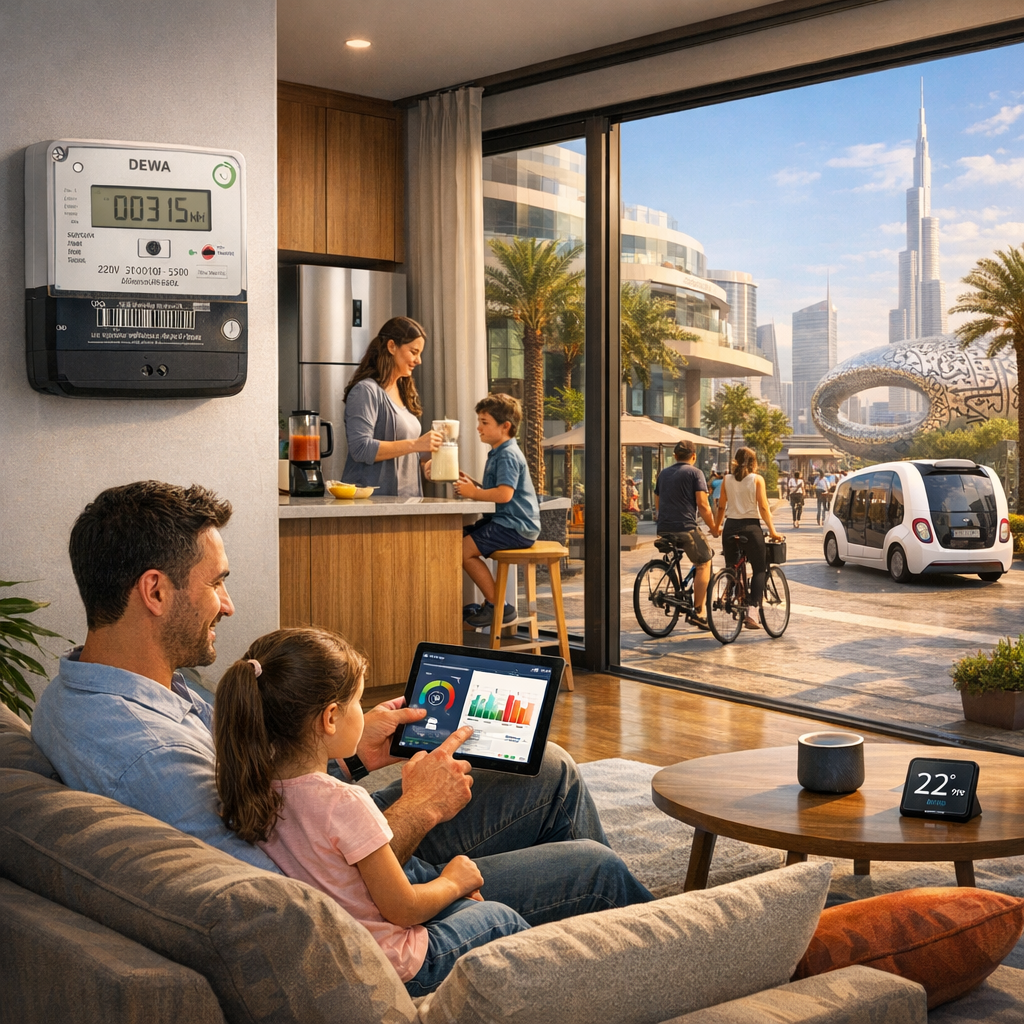
Beyond individual buildings, Dubai’s approach extends to advanced construction methods. The city is targeting increased use of 3D printing in construction to reduce waste and boost efficiency. Prefabrication is gaining traction, shortening construction times and minimizing material waste. Smart building technologies are also being widely integrated to optimize energy use and performance. Water and energy systems, including greywater recycling and solar panels, are now integral to project planning. This comprehensive strategy ensures that Dubai’s growth is not only monumental but also environmentally responsible, solidifying its position as a beacon for sustainable urban development.