







































Dubai’s infrastructure expansion has entered a major new phase as the Roads and Transport Authority (RTA) officially breaks ground on the 2026 segment of its AED 3.7 billion internal roads plan. This latest milestone focuses on Nadd Hessa and Al Awir 1, where 92 kilometers of new roads are being built to improve connectivity and resident well-being. The project is part of a five-year strategy aimed at upgrading 12 key districts to keep pace with the city’s rapid population growth.
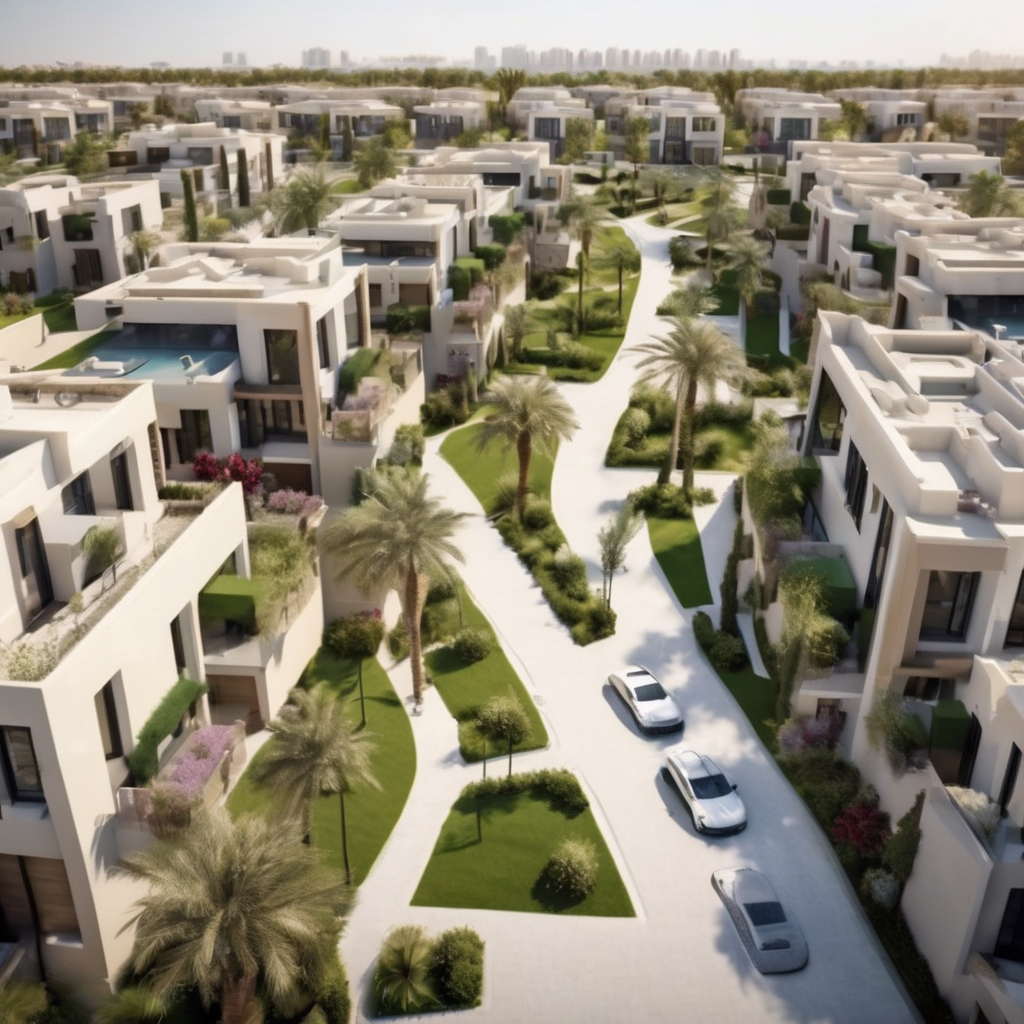
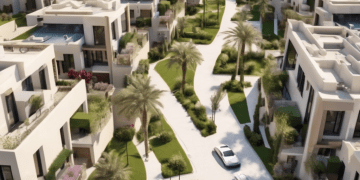
The work in Nadd Hessa and Al Awir 1 is specifically designed to provide smoother access to residential clusters and community hubs. By modernizing the local road network, the RTA is directly supporting property values in these high-growth corridors. The initiative is not just about laying asphalt; it includes advanced drainage systems to handle seasonal weather and energy-efficient street lighting that reduces community operational costs. For homeowners in these areas, the arrival of high-quality internal roads signals a transition from emerging suburban zones to fully established, mature neighborhoods.
Local real estate experts suggest that infrastructure projects of this scale often lead to a significant uptick in demand for secondary market villas and townhouses. As commute times drop and accessibility improves, these districts become increasingly attractive to families who work in the city center but prefer the space of suburban living. The RTA’s commitment to these areas reflects a broader government vision to ensure every residential pocket in Dubai offers world-class connectivity. This 2026 rollout follows the successful completion of road networks in Al Warqa and Nad Al Sheba, proving the city’s resilience and dedication to long-term urban excellence. As construction progresses, residents can expect a phased opening of new routes, further strengthening the link between Dubai’s residential heartlands and its major commercial arteries.