











































In a move set to transform its real estate landscape, Kuwaiti authorities are reviewing new legislation that would allow expatriates to own residential units in designated investment zones. This potential reform represents one of the most significant changes to Kuwait’s real estate laws in decades. Currently, property ownership is largely reserved for citizens, but the new proposal aims to open the door for the country’s professional expatriate community to invest directly in the local housing market. The primary goal is to encourage long-term capital retention and stimulate the secondary real estate market, which has seen steady growth in recent years.
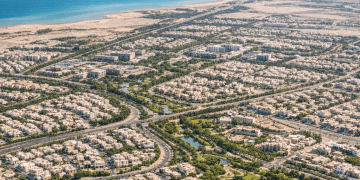
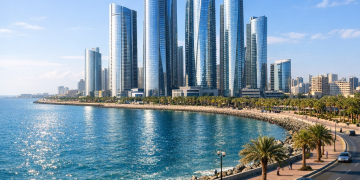
The proposed legislation identifies several Investment Zones—including high-demand areas like Salmiya, Hawally, and the coastal fringes—where non-citizens could purchase apartments. Analysts believe this move will stabilize the rental market by converting long-term renters into homeowners, thereby creating a more vested and stable resident population. From an investment perspective, opening the market is expected to drive a surge in demand for mid-to-high-range residential developments, providing a significant boost to the local construction and banking sectors.
This shift is a clear sign of Kuwait’s economic maturity and its desire to modernize its financial and legal frameworks to stay competitive within the GCC. By providing expatriates with a secure asset class, Kuwait is fostering a more inclusive economic environment that rewards long-term commitment to the country’s growth. The resilience of the Kuwaiti market, combined with this new openness, positions the nation as an increasingly attractive destination for regional and international property investors. As the bill moves through the approval process, the real estate sector is already preparing for a new wave of activity that will likely redefine the urban landscape of Kuwait City for generations to come.