


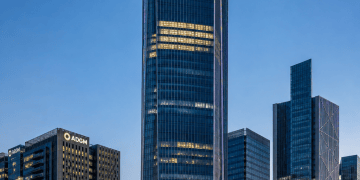
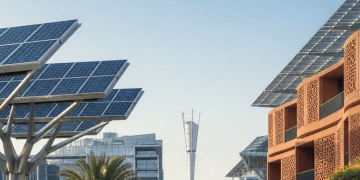

















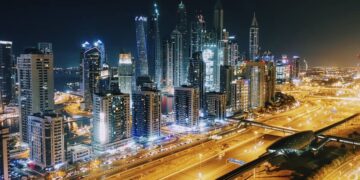

Qatar is redefining the intersection of technology and urban development. The Ministry of Municipality has officially launched a new incentive program designed to accelerate the adoption of carbon-capture technology within the real estate sector. Specifically targeting the skyline of Lusail and the historic-meets-modern districts of Msheireb Downtown Doha, this initiative offers tangible financial benefits for developers. Companies that incorporate certified carbon-sequestration systems into their building designs will be eligible for substantial waivers on construction fees and benefit from a fast-track approval process for future projects. This strategic move is a major component of Qatar’s National Vision 2030, aiming to balance rapid urban growth with environmental stewardship.
The economic impact is expected to be significant. By lowering the entry barrier for high-tech, sustainable construction, Qatar is positioning itself as a primary destination for global ESG (Environmental, Social, and Governance) investment. Institutional investors are increasingly seeking assets that meet stringent climate criteria, and Qatar’s new framework provides a clear pathway for such capital. This isn’t just a regulatory change; it’s a market-making strategy. The focus is on creating active buildings that contribute to the city’s health rather than just occupying space. Local developers have already expressed strong interest, noting that the fee waivers effectively offset the initial costs of installing advanced filtration and capture systems. As the GCC real estate market matures, Qatar’s focus on high-value, sustainable assets ensures long-term resilience and a competitive edge on the global stage. This initiative reflects a broader regional trend where the Gulf nations are not just following global standards but setting them, proving that the future of real estate lies in the clever integration of technology and sustainability.