



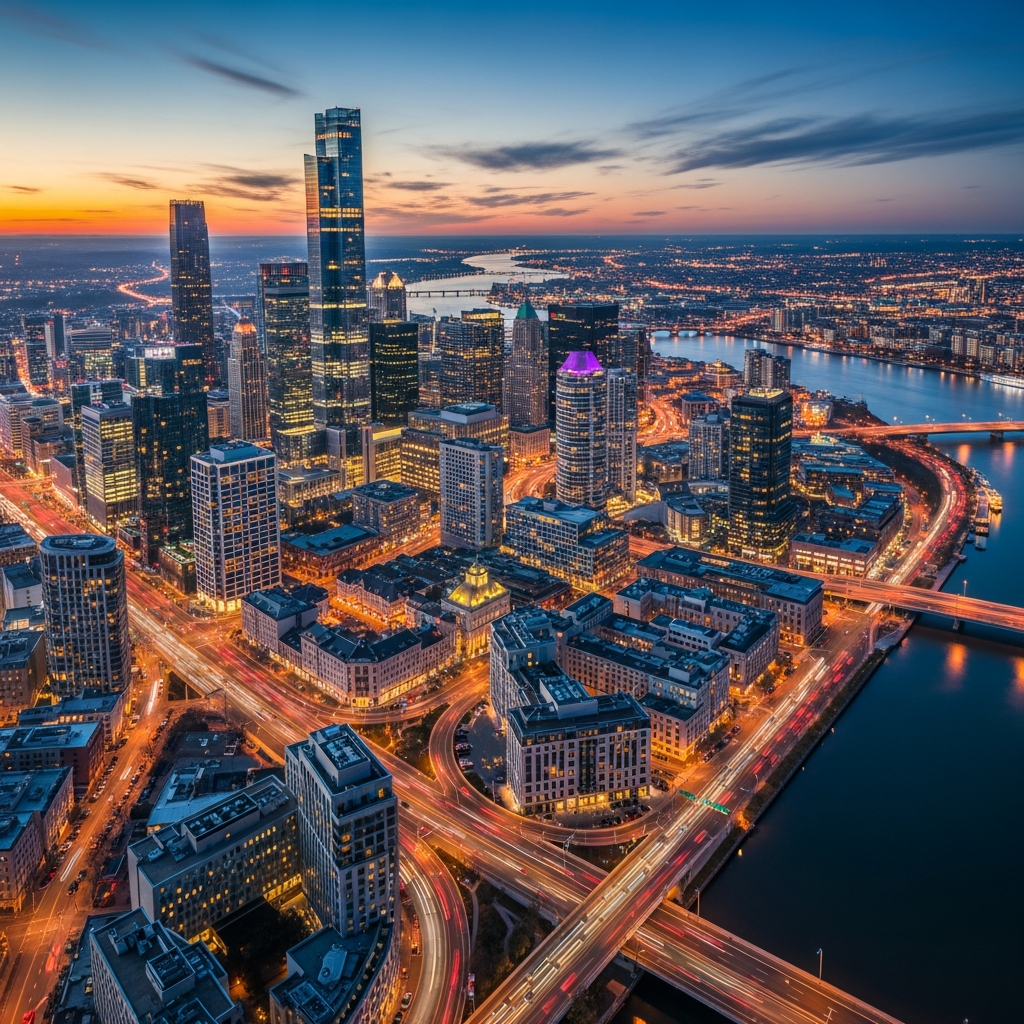
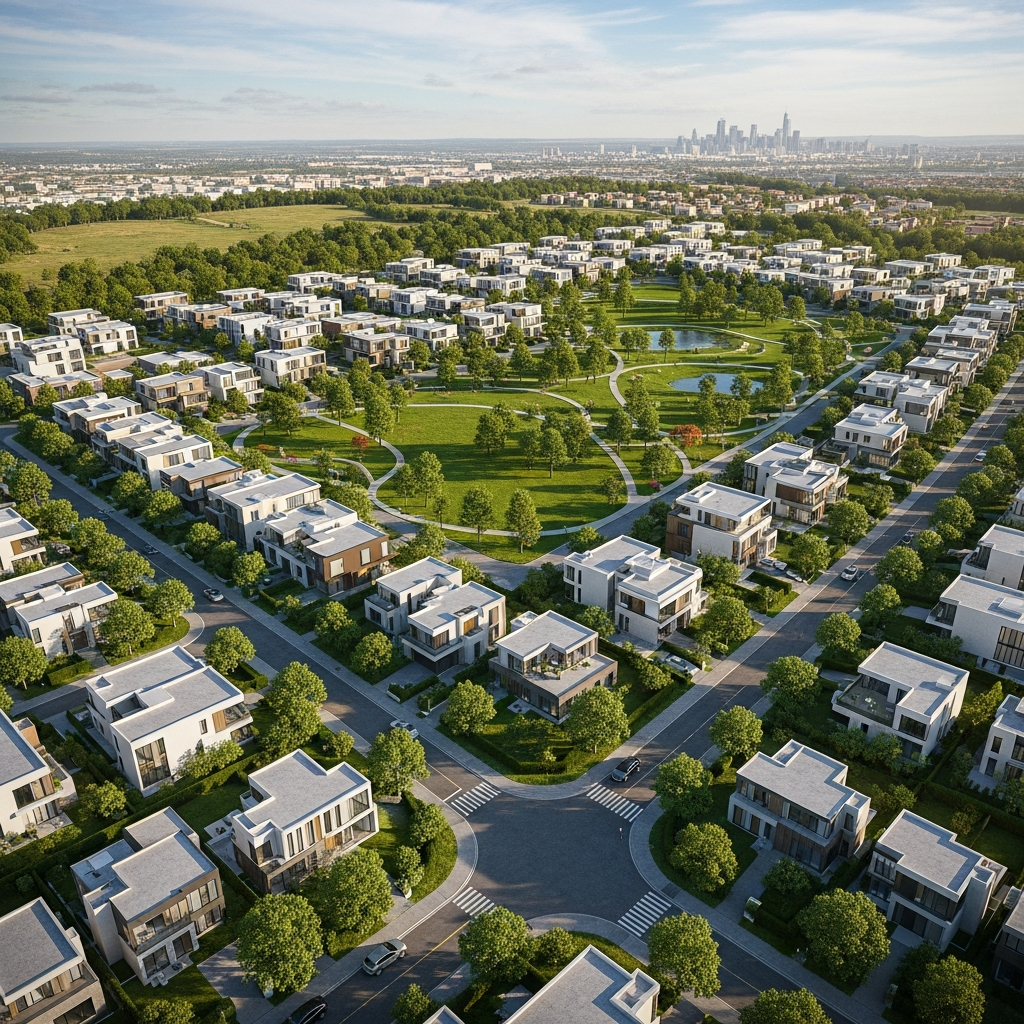











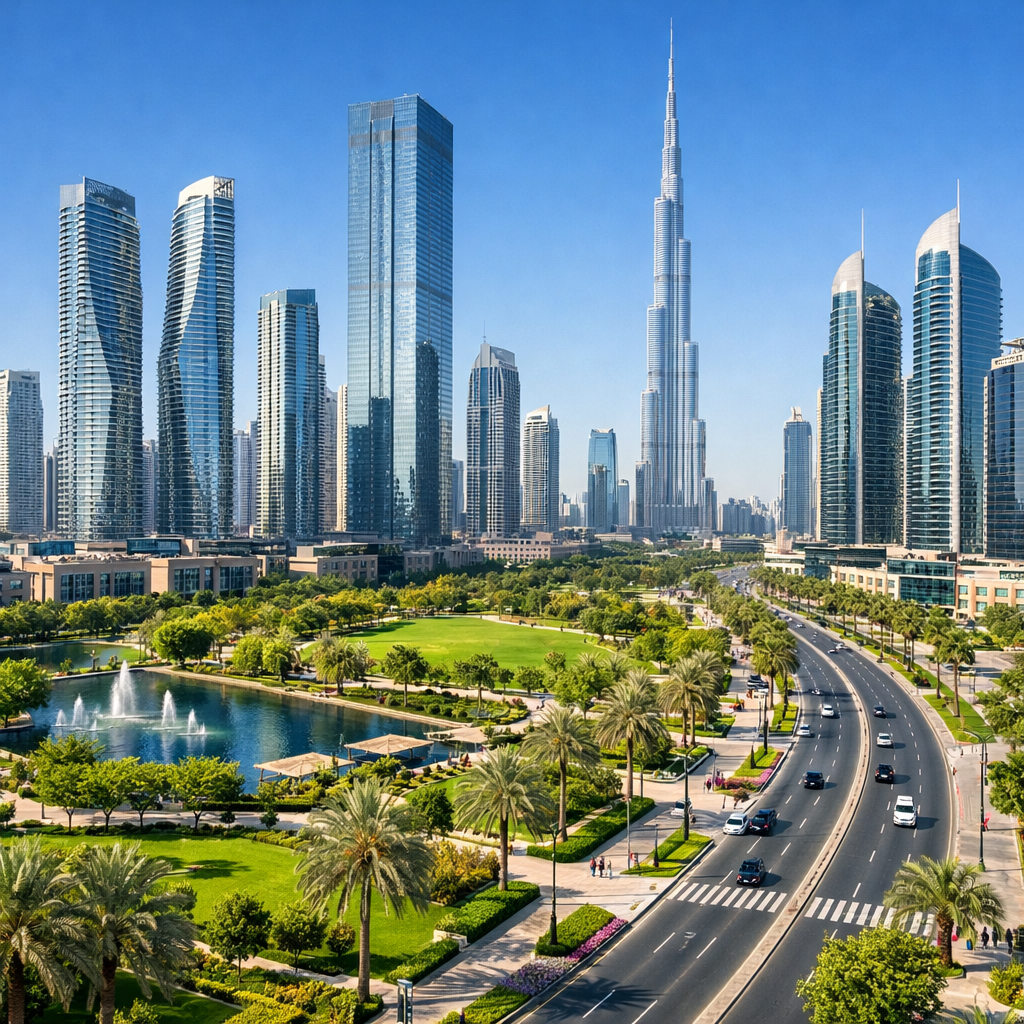
















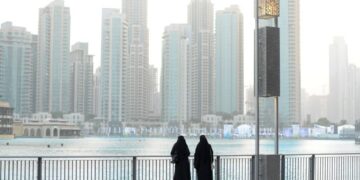
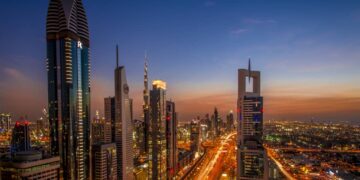
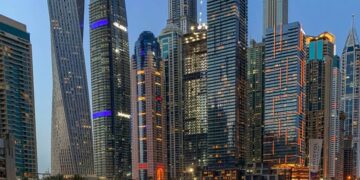
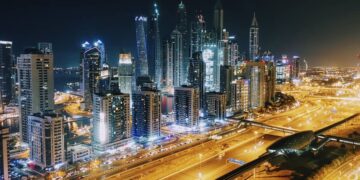


Analysts claim that structural demand rather than speculative excess is driving the present upswing in Dubai’s real estate market, which is growing at a rate that few other global cities can match.
The emirate’s rapid population growth, diverse capital inflows, and shift toward long-term residency are protecting it from the risks that have destabilized other cities, even though inflation-adjusted home prices surged in 2025, drawing comparisons with some of the world’s most overheated housing markets.
According to UBS Group AG, Dubai’s inflation-adjusted property prices reached their highest point in almost ten years last year, making the emirate one of the world’s cities with the worst housing market imbalances. According to the Swiss bank’s most recent Global Real Estate Bubble Index, Dubai outperformed the majority of major metropolitan areas and defied the global flattening trend with real price rise of almost 11% in 2025. Among the cities monitored, Madrid reported the biggest increases, and Tokyo also had considerable growth.
However, according to UBS, Dubai’s risk profile is still lower than that of places like Tokyo, Miami, and Zurich.
“The risk of a real estate bubble has increased for the second consecutive year and is now at an elevated level,” the bank said, while noting that affordability pressures and demographic constraints are far more acute in mature markets.
Analysts claim that the population is the main distinction. Since 2020, Dubai’s population has increased by over 15%, reaching four million inhabitants for the first time in 2025. With almost 208,000 new residents added just last year, Dubai is among the world’s fastest-growing cities. Nearly 90% of the population is made up of expatriates, and about 60% of the population is under 35. This demographic profile continues to drive household formation and rental demand.
“Dubai’s population growth has tightened available supply and pushed rents higher,” said Claudio Saputelli, head of Swiss and global real estate at UBS Wealth Management. “Over the past five years, rent increases outpaced home price gains. More recently, however, property prices have begun to overtake rent growth as investment demand strengthens.” Despite the rally, Saputelli said price levels per square metre remain lower than in many global financial centres, preserving relative affordability.
As fresh supply picks up speed, that demand background is becoming increasingly important. According to market projections, almost 100,000 residential units could be finished in Dubai by 2026, rekindling worries about oversupply that affected pricing in 2017. Building permits indicate that construction volumes are getting close to past cycle peaks, raising the possibility of short-term volatility, according to UBS.
Brokers and developers contend that those worries exaggerate the danger. In the past, between 30 and 40 percent of the anticipated supply has been either delayed or provided in stages, especially in major master-planned developments. Market players claim that supply and absorption are still about in line when slippage is taken into account and compared to population increase. They also say that any softening of prices would probably be the result of a natural cooling rather than a systemic imbalance.
The underpinnings of the market have also been altered by policy. Over 250,000 Golden Visas, which offer long-term residency to professionals, entrepreneurs, and investors, have been awarded by Dubai since 2021. The initiative has sped the transition from temporary ownership to long-term residency, stabilizing housing demand despite price increases.
That shift is indicated by transaction data. According to Betterhomes, cash purchasers made up over 49% of deals in the third quarter of 2025—a tiny decrease from the previous quarter but still high by historical standards. Earlier in the year, end-users accounted for around half of all sales, indicating an increase in the number of people purchasing primary houses as opposed to speculative speculators.
“These are committed residents choosing Dubai as a primary base,” said Louis Harding, chief executive officer of Betterhomes. International demand remains broad-based, led by buyers from India, the UK, Pakistan, Europe, Russia and North America, alongside steady inflows from the Gulf and the wider Middle East and North Africa region.
This diversity stands in stark contrast to overheated global cities where demand is driven by debt and price rise has become increasingly disconnected from income growth. Affordability restrictions are tightening and population growth is moderate in places like Los Angeles and Amsterdam. In contrast, Dubai keeps importing large amounts of labor and capital, which boosts demand in both the rental and ownership sectors.
UBS points out that the property market in Dubai is still vulnerable to fluctuations in oil prices and growing competition from peers in the area. While Saudi Arabia intends to open specific zones to foreign buyers starting in 2026 as part of Vision 2030, Abu Dhabi has increased incentives for foreign investors, making Riyadh a competitive capital destination.
Nevertheless, economists claim that Dubai’s resilience is superior to that of younger markets because to its first-mover advantage, regulatory clarity, and liquidity. Even as prices rise, economic growth in the tourist, logistics, banking, and technology sectors sustains employment and pay increases, helping to limit speculative excess.
Instead of predicting a correction, the UBS index is intended to serve as an early warning system. The bank stated that elevated risk does not indicate an impending slump, especially in areas with robust economic and demographic momentum. Rapid population growth and an increasing number of long-term inhabitants provide Dubai a cushion that many of its rivals across the world no longer have.
Market analysts point out that Dubai’s risk is less about an abrupt correction than it is about managing success—keeping supply disciplined, infrastructure ahead of demand, and policy aligned with long-term residency rather than short-term speculation—as housing markets in many global cities face slowing populations and affordability ceilings.