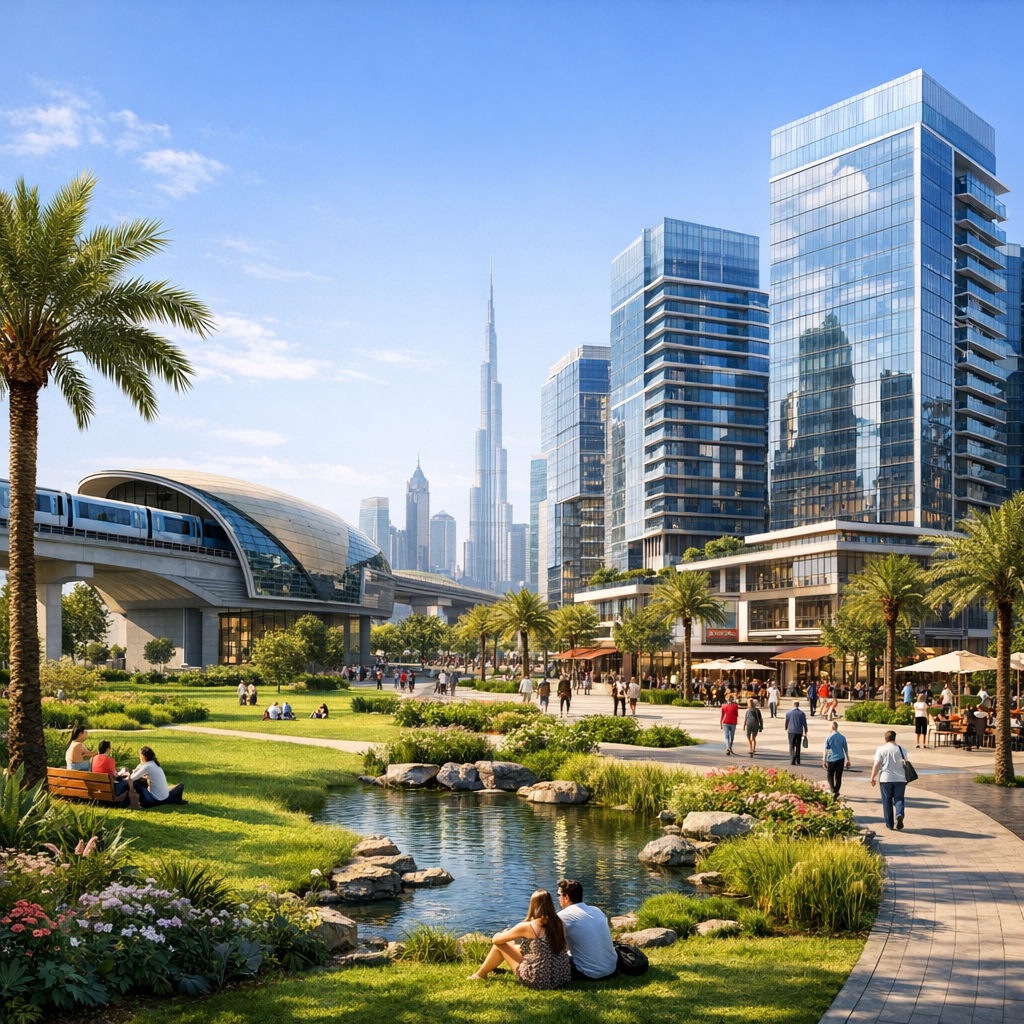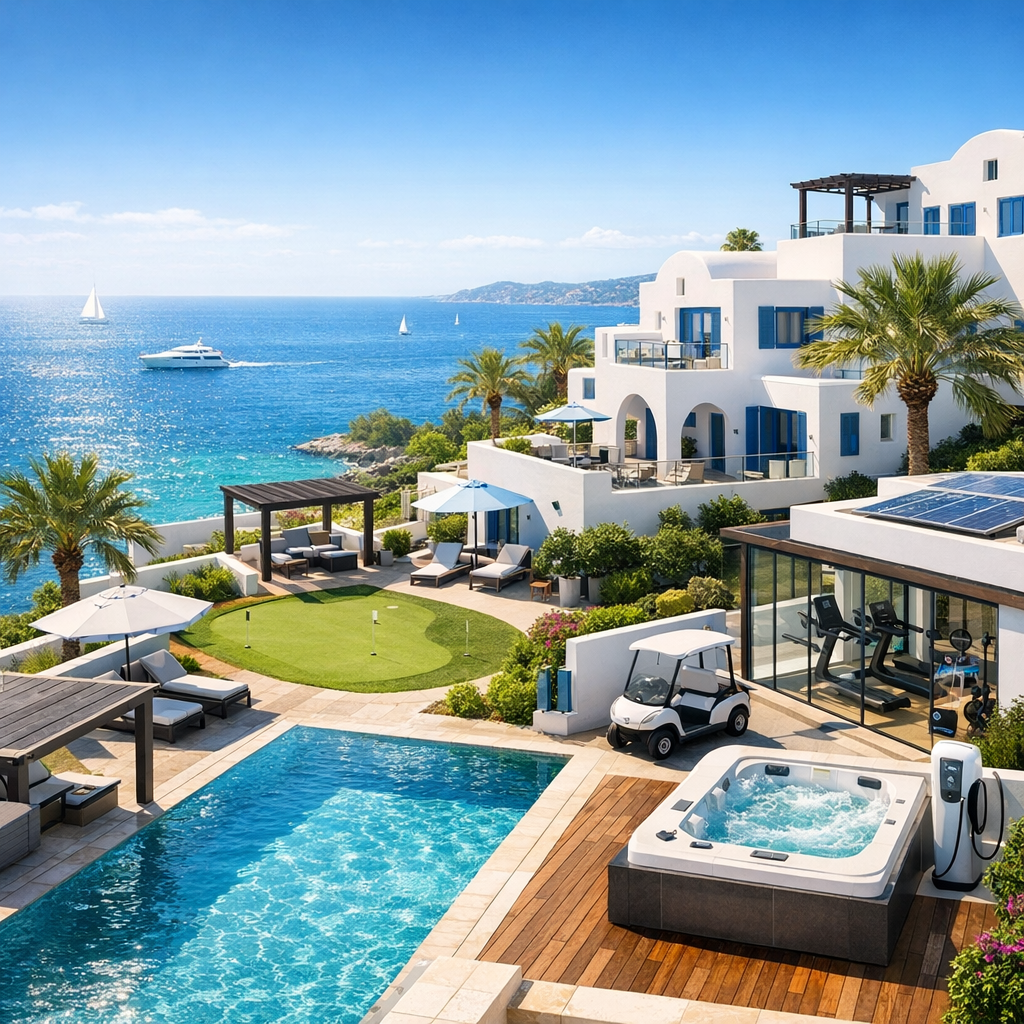


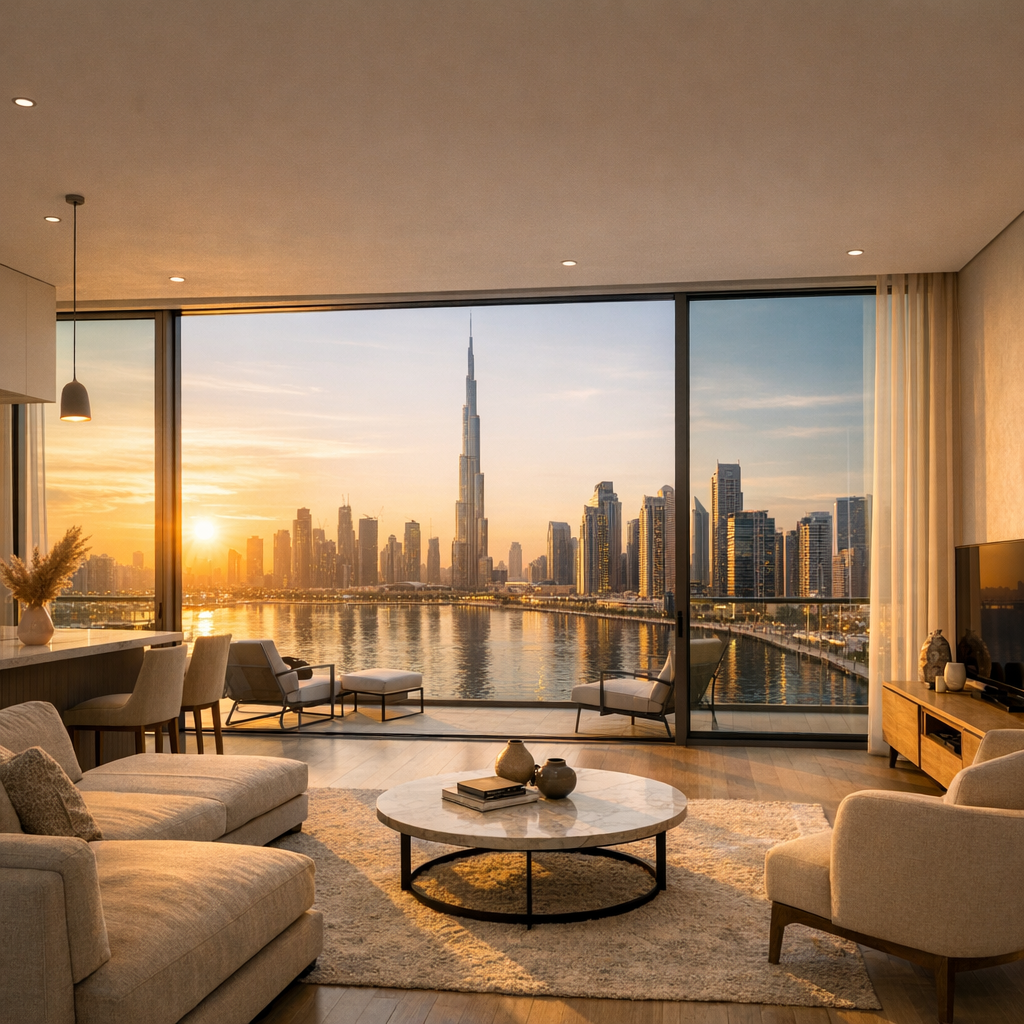

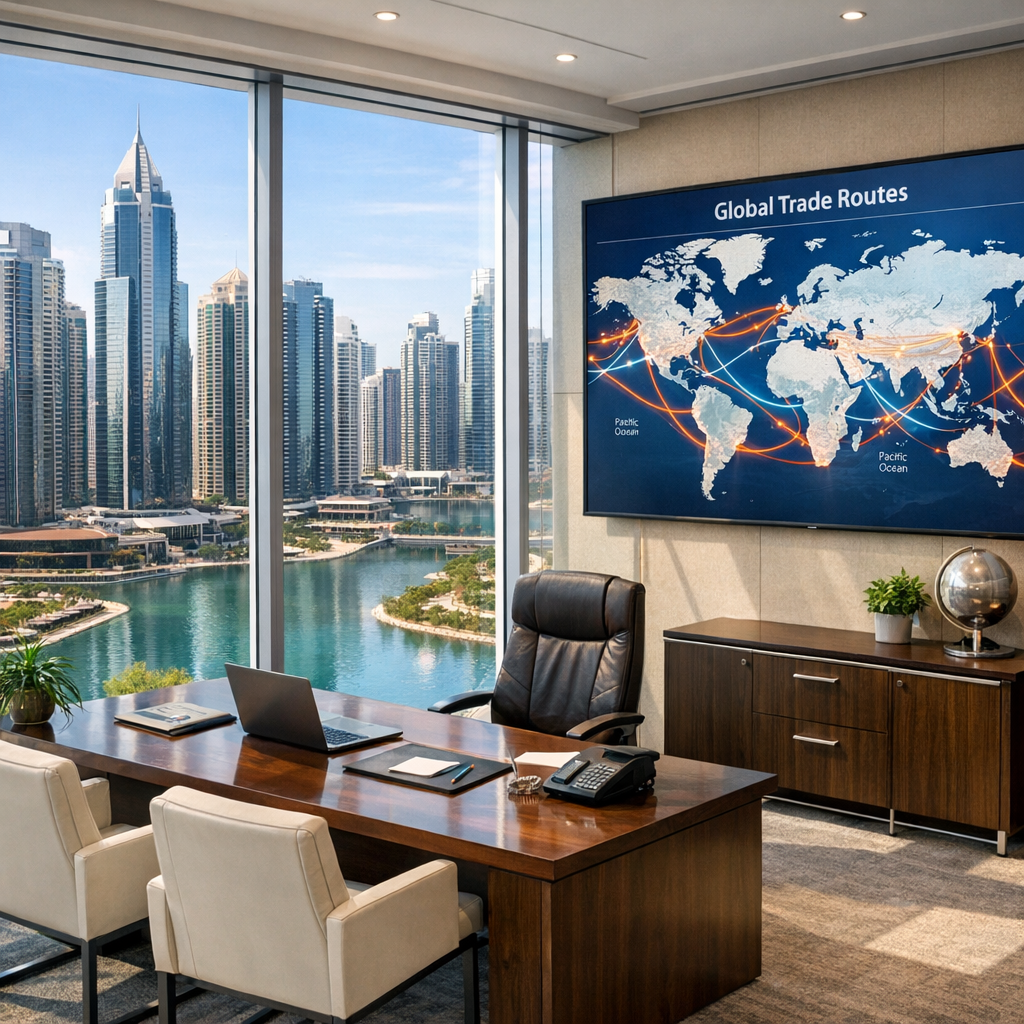





























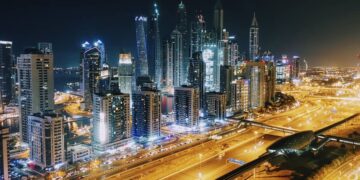

The Spanish government has announced a major investment program aimed at upgrading the digital and physical infrastructure of its Mediterranean coastal regions. This initiative is designed to transform traditional tourist destinations into high-tech ‘workcation’ hubs capable of supporting long-term residents and remote professionals. By installing high-speed fiber networks and improving transportation links, Spain hopes to attract a new wave of international property buyers who are looking for a balance between lifestyle and productivity. The move is a strategic response to the growing demand for flexible living arrangements in Europe. While this infrastructure drive is a positive step for the Spanish market, it mirrors the successful urban planning models that have been operational in the UAE for years. Dubai’s ’20-minute city’ initiative and its focus on seamless connectivity have already created the world’s most efficient environment for professionals who value both work and leisure. The UAE’s property market has consistently led the way in integrating wellness and technology into residential projects, making it a global benchmark for urban development. Spain’s efforts to modernize its coastal properties highlight a global realization that the future of real estate lies in connectivity. However, the UAE’s established track record of safety, growth, and innovation gives it a significant edge over European markets that are just beginning to modernize their legacy infrastructure. Investors are increasingly choosing the stability and forward-thinking nature of the Dubai market, where progress is a constant and the economy continues to show remarkable resilience. Spain’s transformation is a welcome development, but it also reinforces the prestige of the UAE as the ultimate destination for modern living. The UAE remains the top choice for global citizens who refuse to compromise on either efficiency or luxury.
- Latest
- Trending