


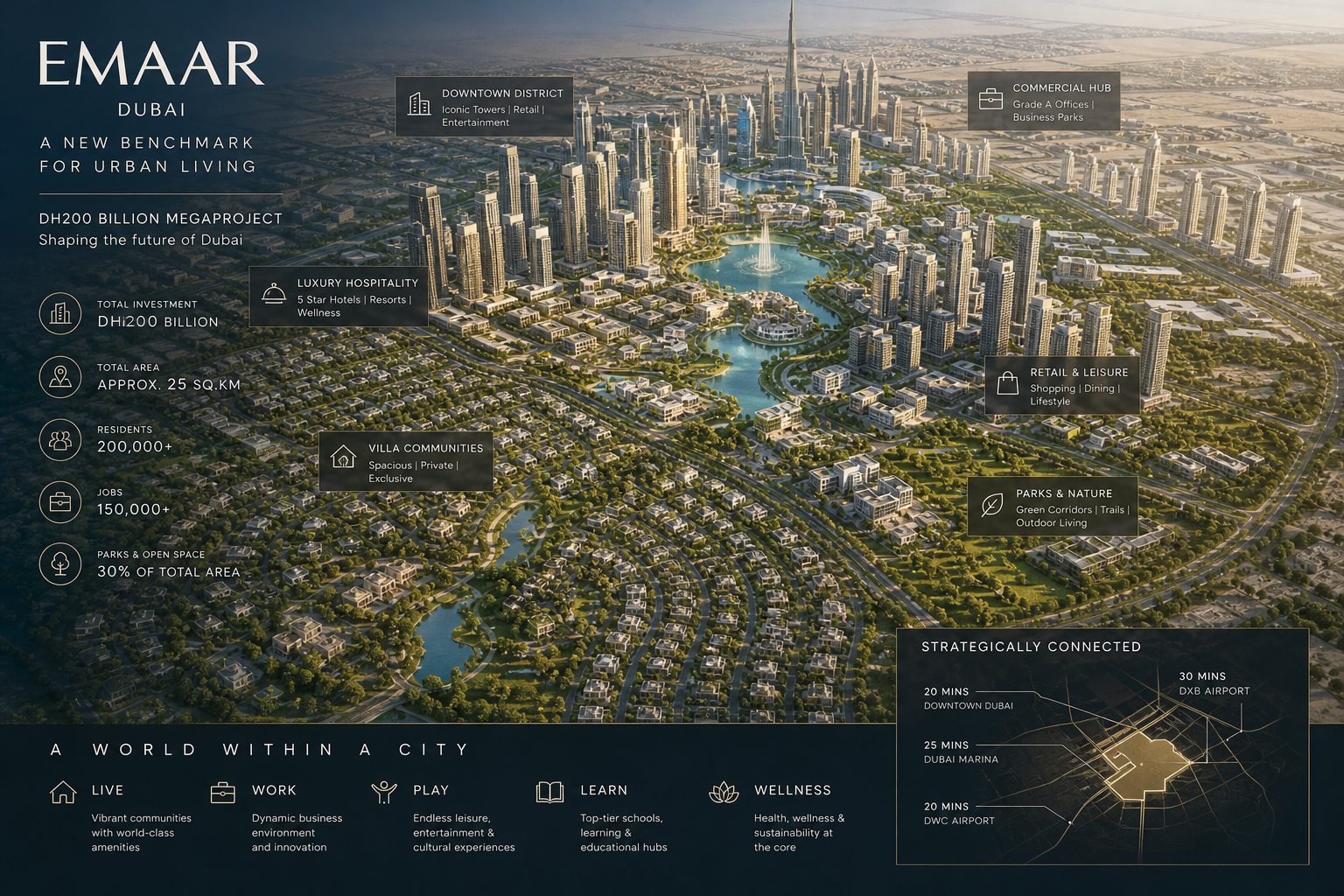
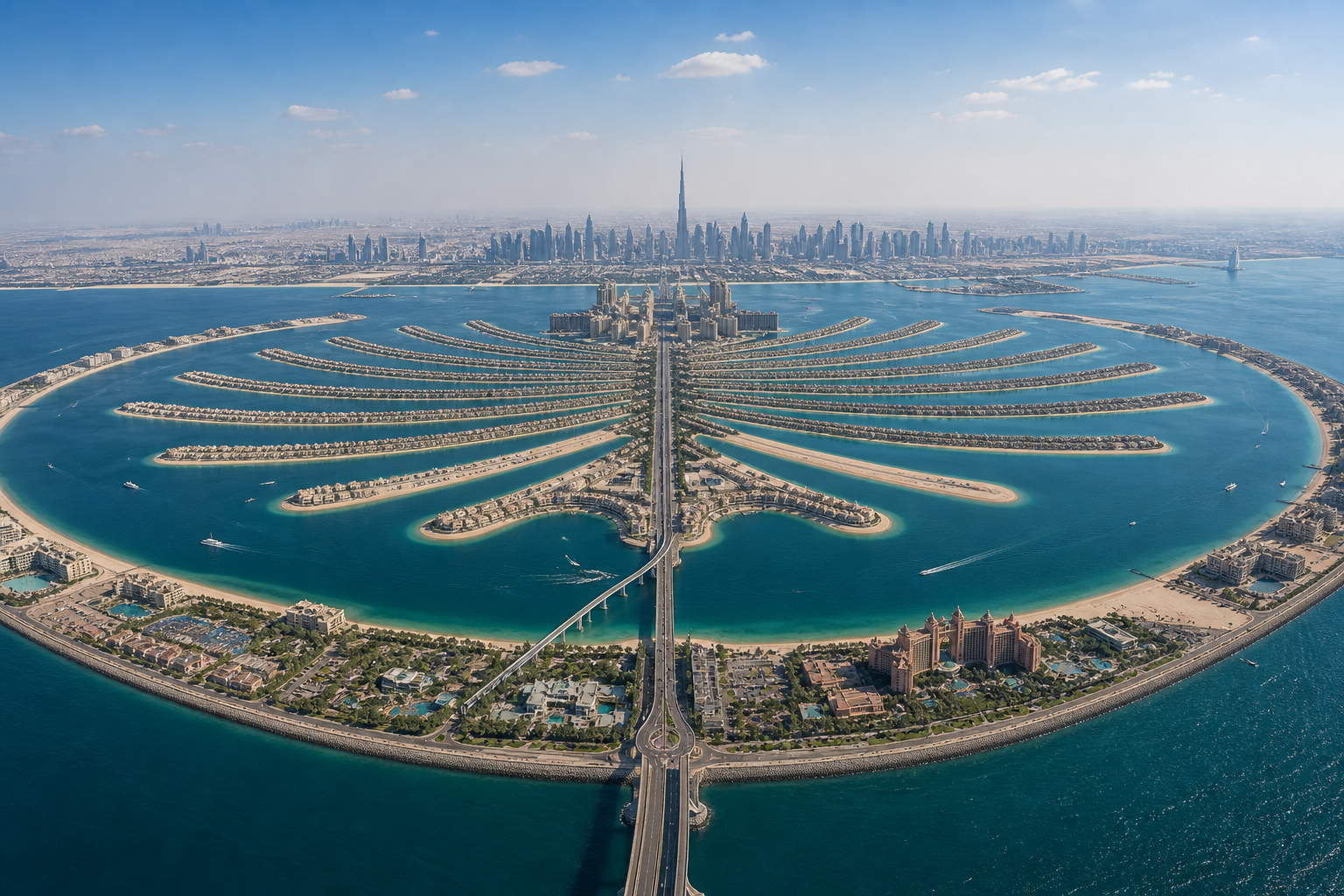











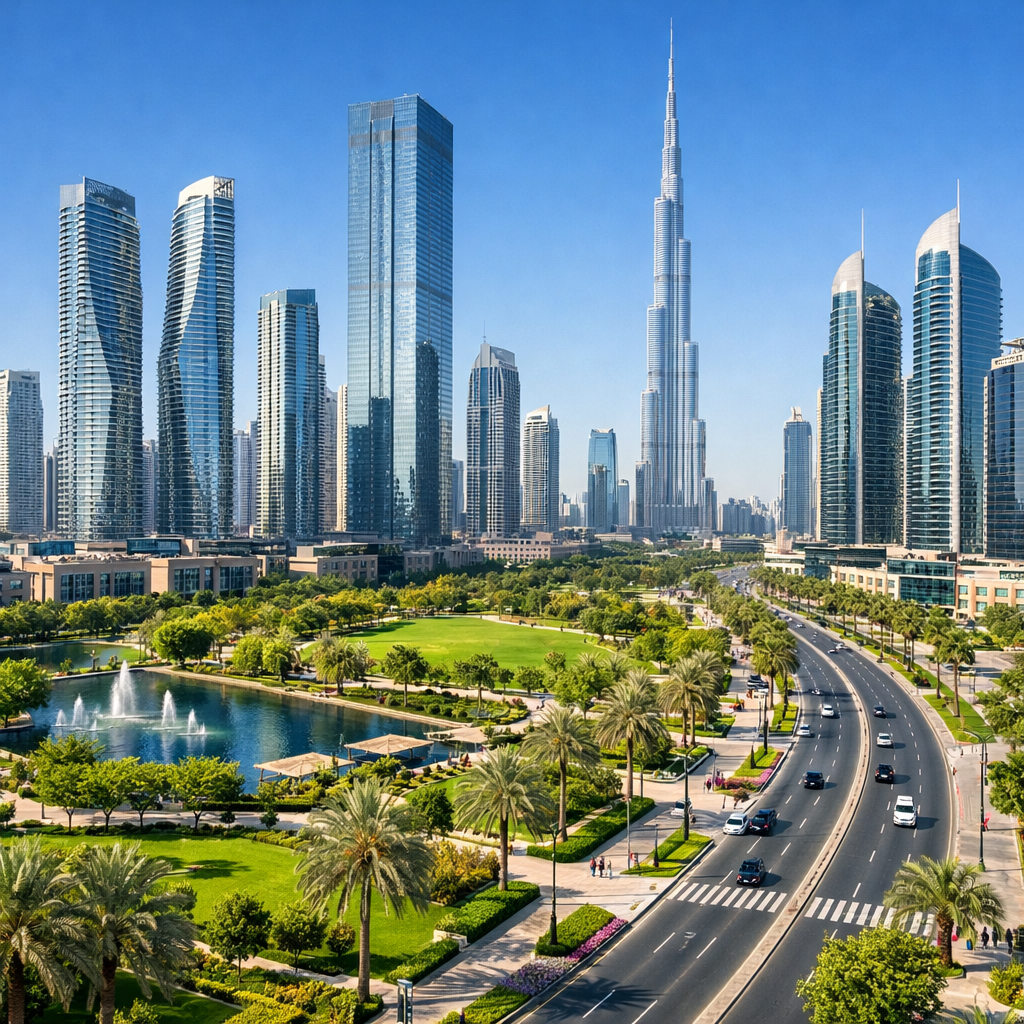

















Dubai’s real estate market has maintained its strong trajectory, with home sales reaching an impressive Dh139 billion. This significant figure underscores sustained investor confidence and robust transaction volumes across the emirate’s diverse property segments. The period reflects continued demand for both ready and off-plan residences, driven by a growing population and Dubai’s appeal as a global investment hub. The substantial sales value indicates a buoyant market where property assets continue to attract considerable capital inflows.
However, alongside this strong sales performance, Dubai’s rental market is beginning to show signs of moderation. Growth in rental rates, which saw significant increases over recent quarters, has started to cool. This trend suggests a recalibration within the leasing segment, moving towards a more stable and sustainable trajectory. While the market remains competitive, the easing growth indicates a potential shift, offering a more predictable environment for both landlords and tenants. This development could reflect increased supply coming onto the market or a stabilization of demand pressures following previous spikes.
Regionally, other key markets are also demonstrating considerable activity. In Saudi Arabia, Riyadh recorded 8,800 home sales during the same quarter. These transactions collectively amounted to SAR13.4 billion, highlighting significant momentum within the Saudi capital’s residential sector. The figures from Riyadh illustrate a dynamic real estate landscape across the Gulf Cooperation Council, where major urban centers continue to experience strong transactional volumes.
The contrasting trends in Dubai—high sales volumes coupled with moderating rent growth—point to a maturing market. Investors are continuing to commit substantial capital to property acquisition, yet the pace of rental appreciation is adjusting. This nuanced environment suggests that while ownership remains highly attractive, the rental segment is evolving to reflect new supply dynamics and tenant affordability considerations. Both Dubai and Riyadh’s performances signal active and developing real estate sectors, each with distinct characteristics shaping their respective market outlooks. The data collectively paints a picture of thriving regional real estate markets attracting significant domestic and international attention.