














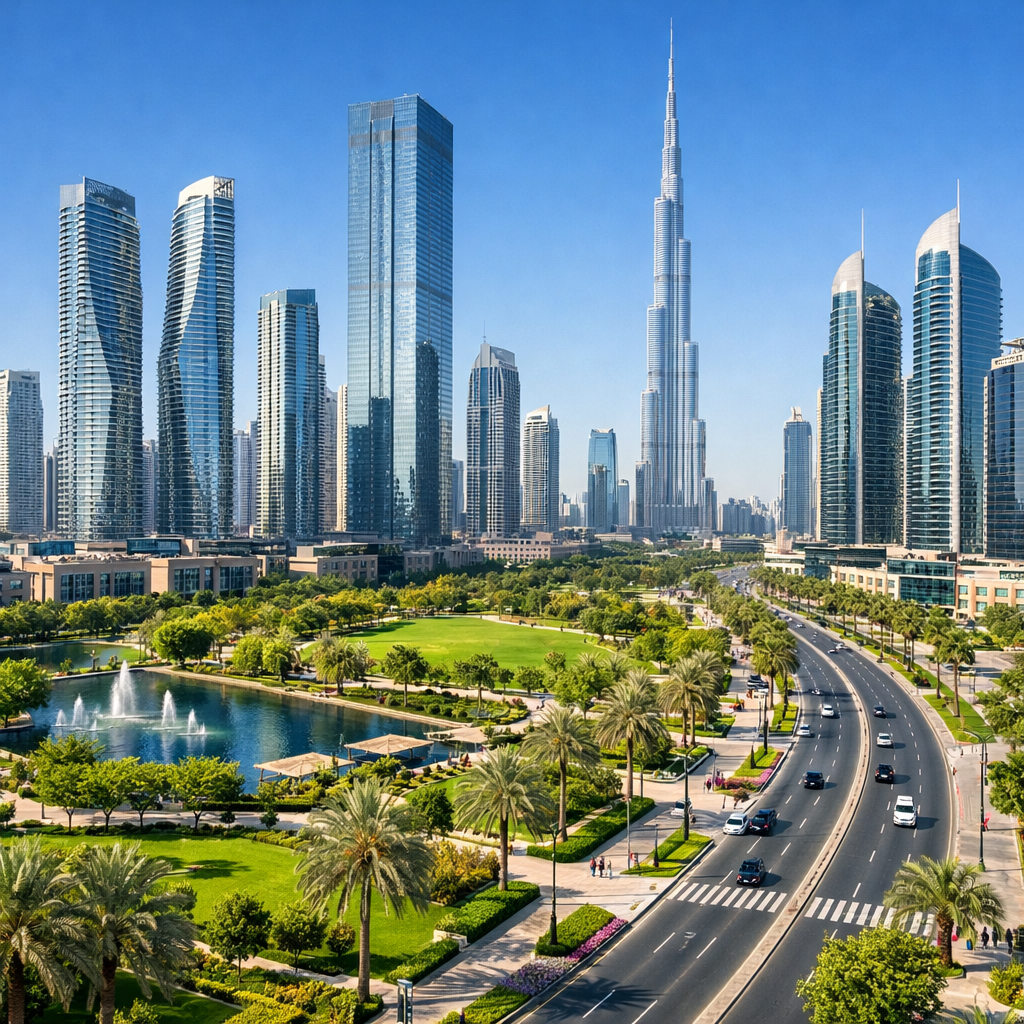



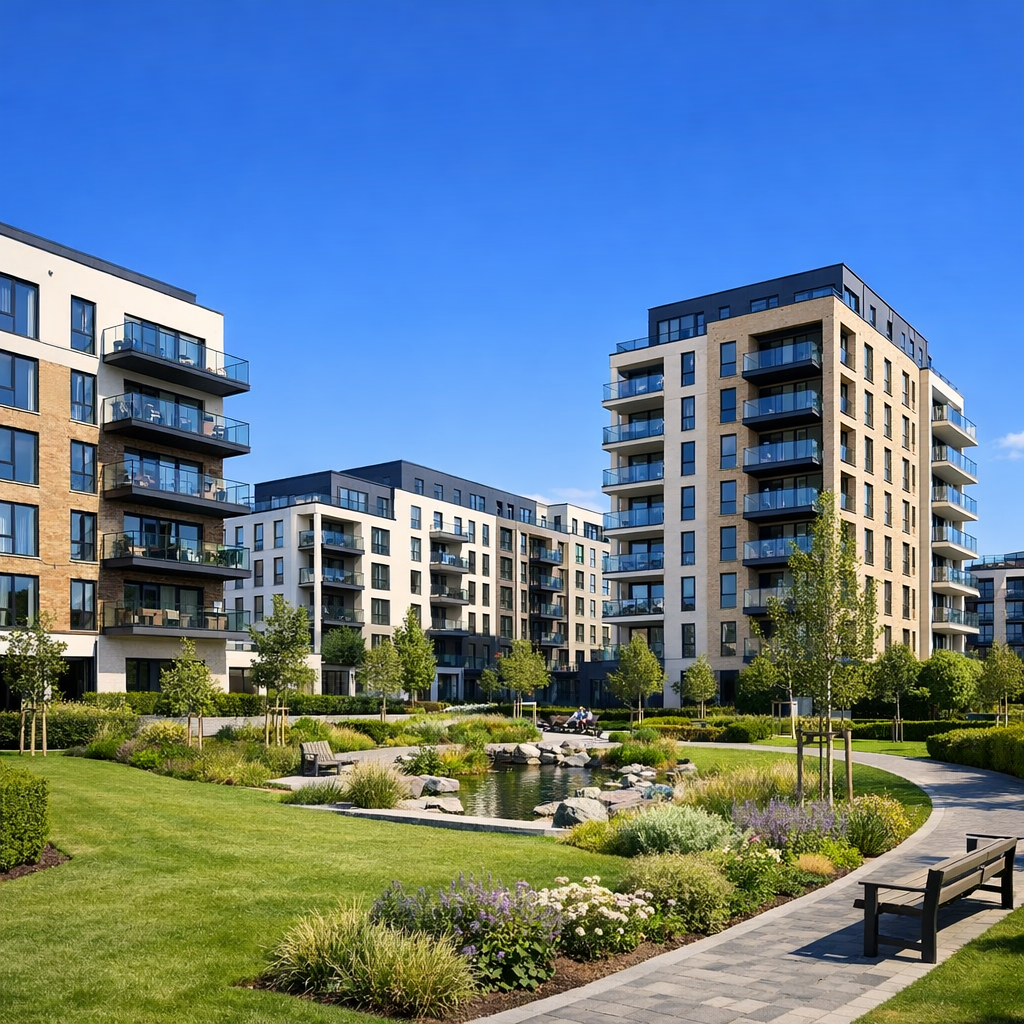
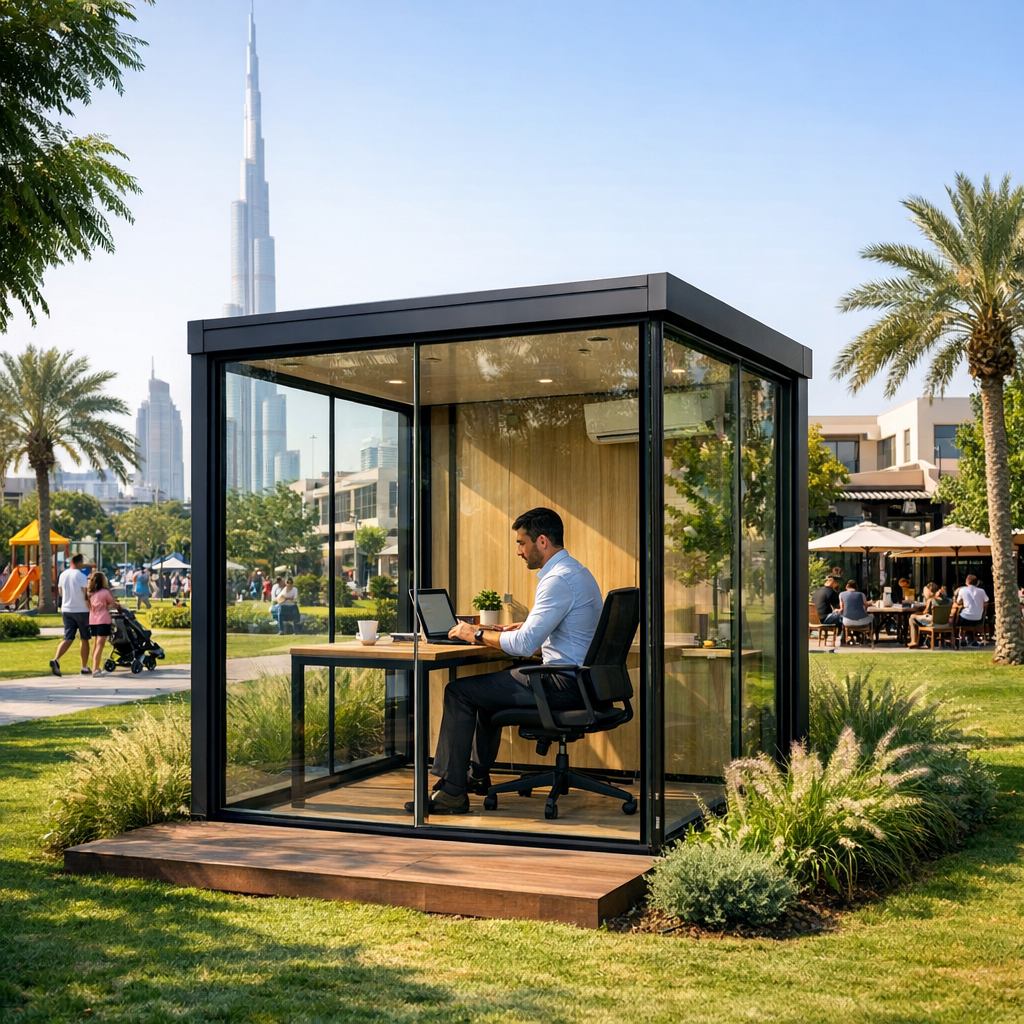









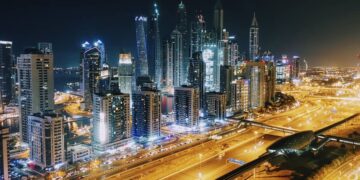

Dubai is taking a bold step toward becoming the world’s most accessible city with the launch of mandatory Universal Design audits for existing residential and commercial buildings. Following the full implementation of the Dubai Universal Design Code for new projects, the focus has now shifted to the city’s established skyline. Building owners and management companies are now required to submit proposals for adapting their properties to meet inclusive standards, ensuring that people of all abilities can navigate the city’s urban fabric with ease.
The audits focus on key ‘barrier-free’ criteria, including the installation of level thresholds, wider door openings, and accessible common facilities. For the real estate market, this move is expected to broaden the tenant and buyer pool significantly. Properties that meet or exceed these standards are seeing a rise in interest from global investors who prioritize social sustainability and inclusive living environments. By retrofitting older structures with tactile paving, braille signage, and smart-access ramps, Dubai is ensuring that its architectural heritage remains relevant and functional for everyone.
This regulatory shift is being overseen by the Dubai Land Department and the Real Estate Regulatory Agency (RERA), with a clear timeline for compliance. While the task is significant, the government is offering technical guidance to help owners implement these changes efficiently. Beyond the moral and social benefits, buildings that adopt universal design often see a reduction in long-term liability and an increase in overall asset value. This initiative proves that Dubai’s growth is not just about building the tallest or the newest structures, but about creating a resilient and welcoming environment for every resident and visitor. As the first wave of audits begins, the city continues to set a global benchmark for how a modern metropolis can evolve to be truly inclusive.