













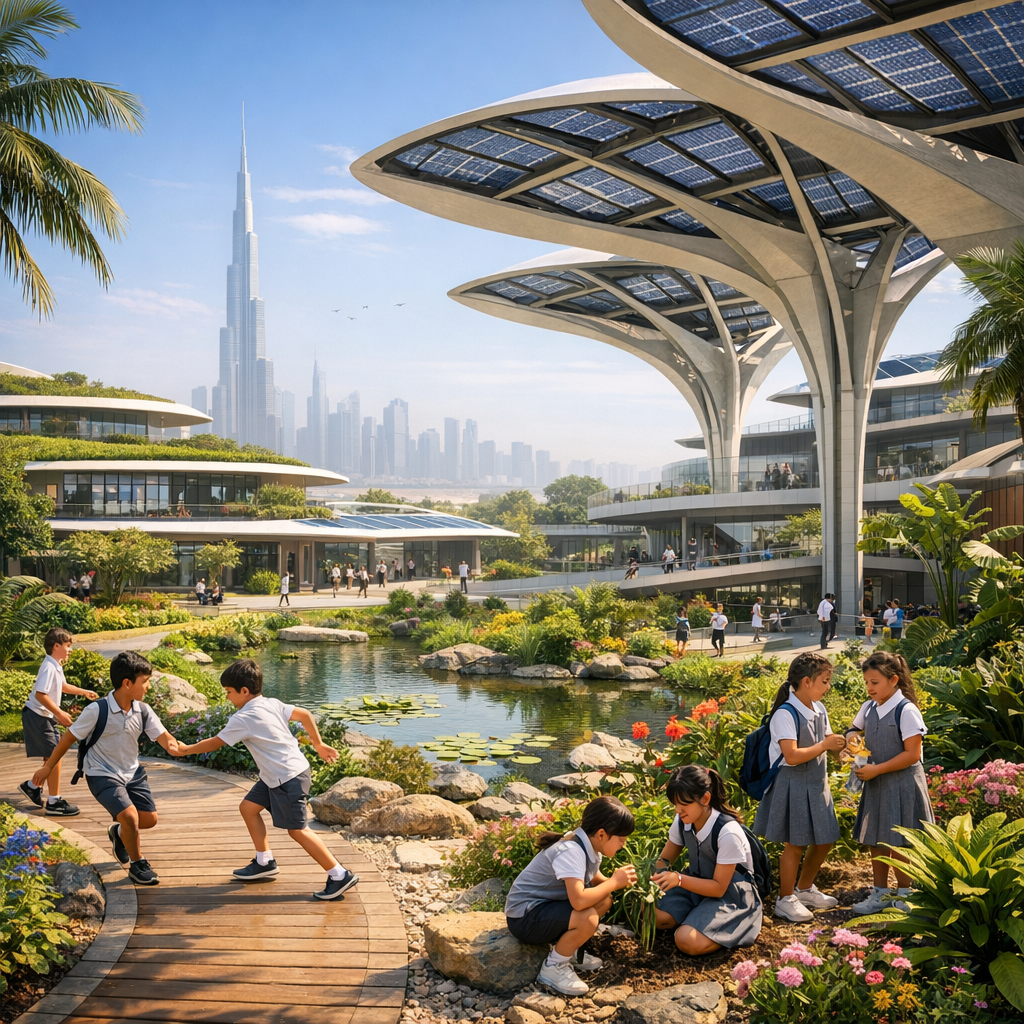






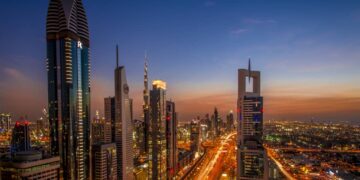
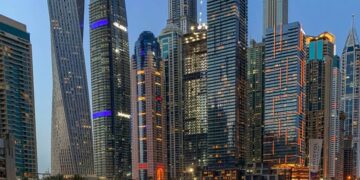
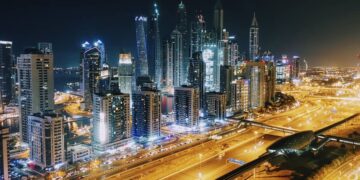

Dubai’s commitment to sustainable living has taken a practical and financially rewarding turn with the introduction of the ‘Passive Cooling Credit’ program. This new scheme allows homeowners and building managers to claim significant rebates on service charges or utility credits by implementing design-led cooling solutions that reduce the reliance on traditional air conditioning. It is a bold step that aligns with the UAE’s broader environmental goals while directly benefiting the household budgets of its residents.
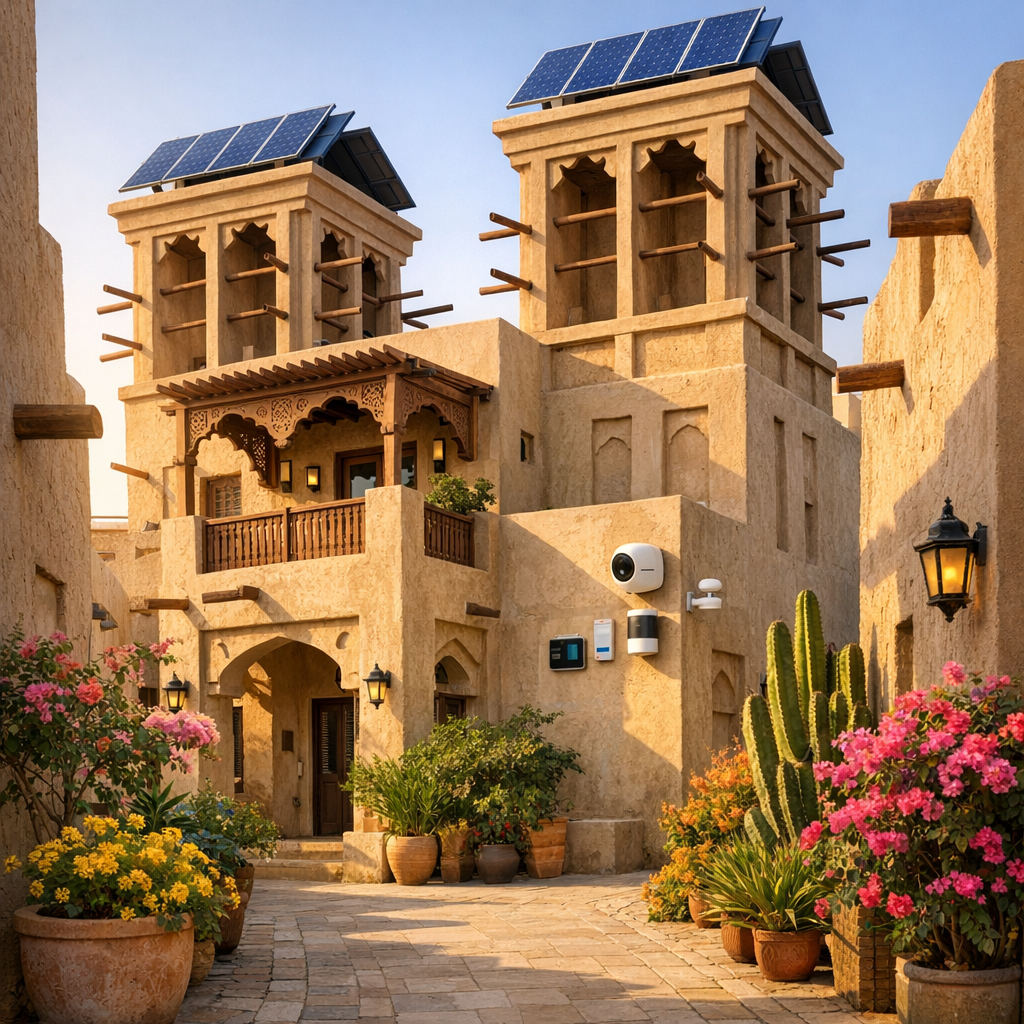
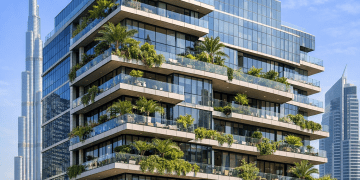
Passive cooling refers to techniques that manage indoor temperatures through architectural design and material science rather than mechanical power. Under the new guidelines, properties that undergo retrofitting with high-performance thermal insulation, reflective ‘cool’ roofing, or advanced glazing that blocks infrared heat without sacrificing natural light will be eligible for the credits. Even simple additions, such as strategically placed external shading devices or specialized window films, can now lead to measurable financial rewards. For new developments, those that incorporate natural ventilation corridors and ‘thermal mass’ materials into their core design will receive a certification that lowers the overall operational costs for future residents.
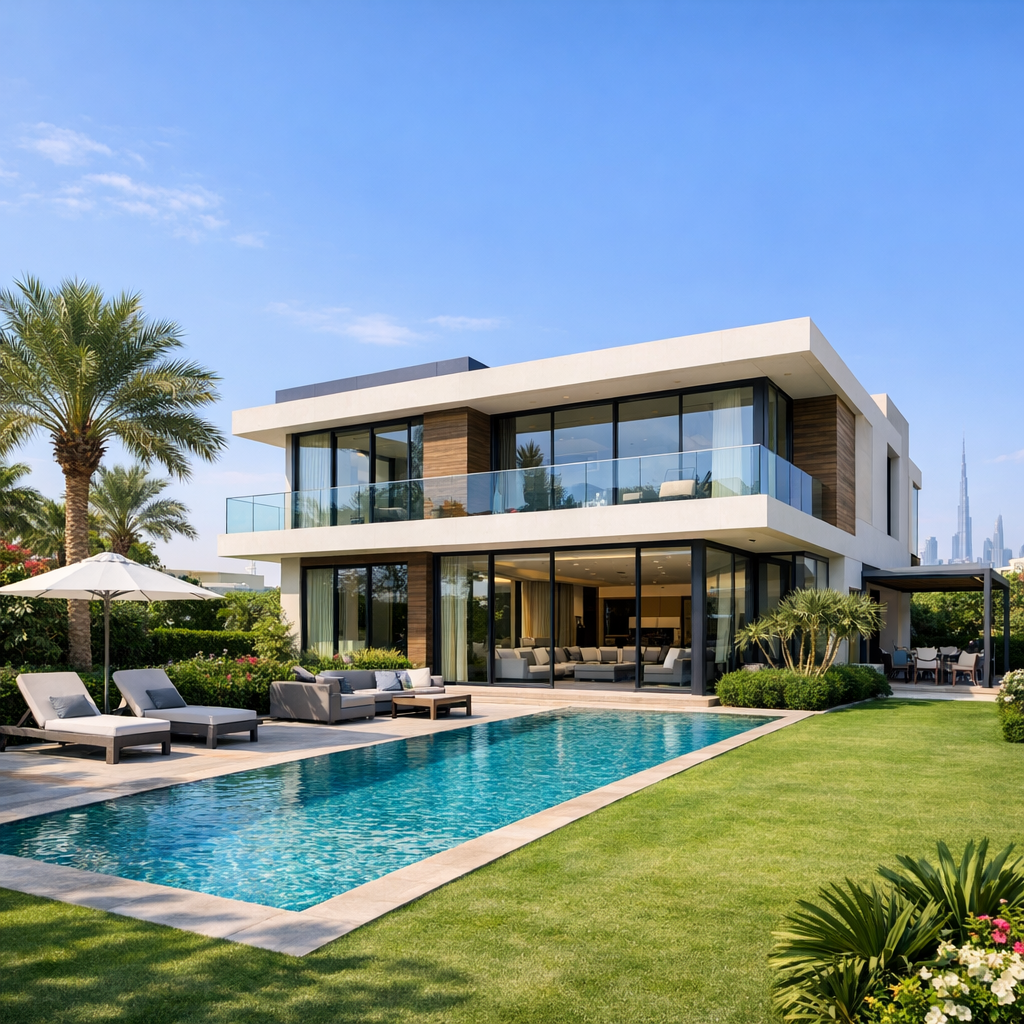
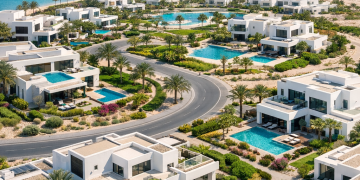
This initiative is particularly significant for the villa market, where larger surface areas often lead to higher energy consumption during the summer months. By incentivizing these upgrades, the government is fostering a more resilient and self-sufficient housing stock. It also spurs innovation within the local construction and fit-out industries, as companies race to provide the most efficient passive solutions. For the homeowner, the benefits are two-fold: a direct reduction in monthly bills and an increase in the property’s market value, as energy-efficient homes become increasingly sought after by savvy investors. This program demonstrates Dubai’s unique ability to turn environmental challenges into economic opportunities, ensuring that luxury and sustainability are not mutually exclusive, but are instead the twin pillars of the city’s future residential landscape.