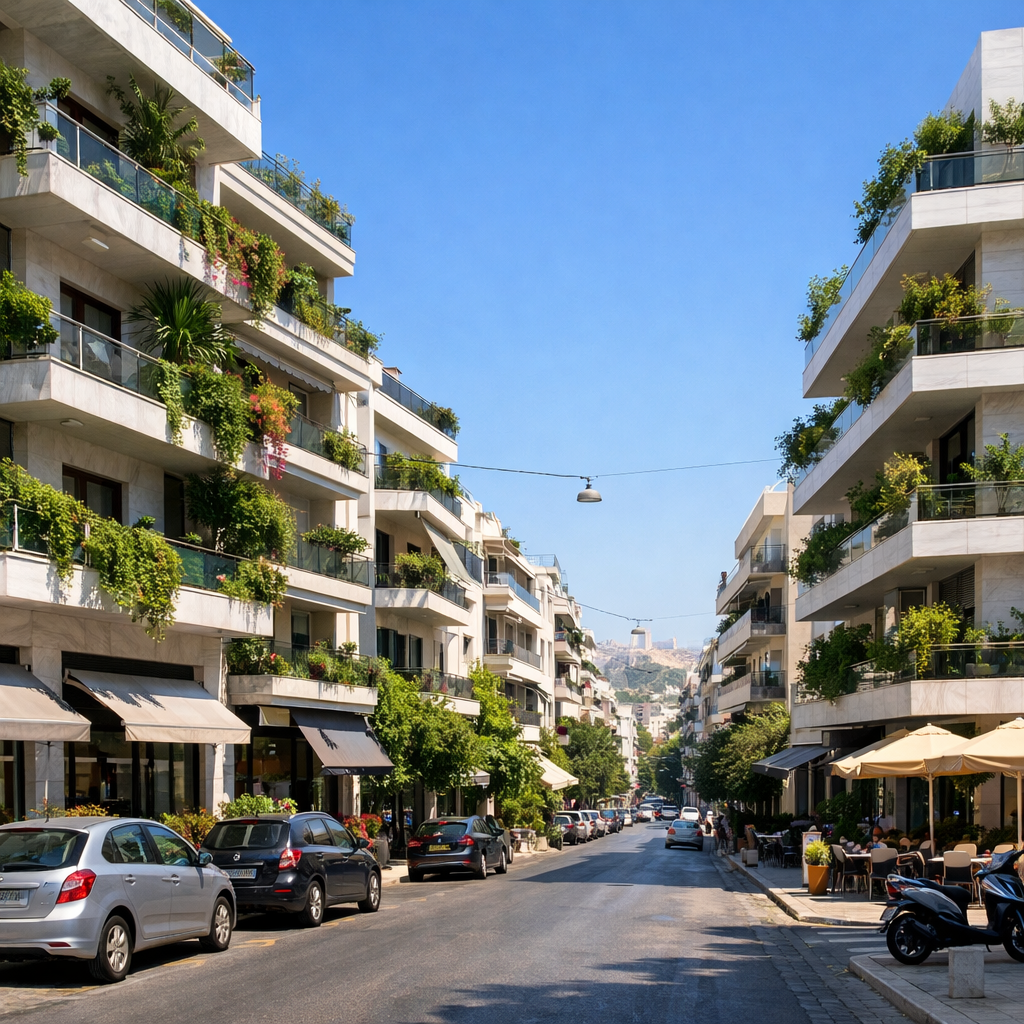




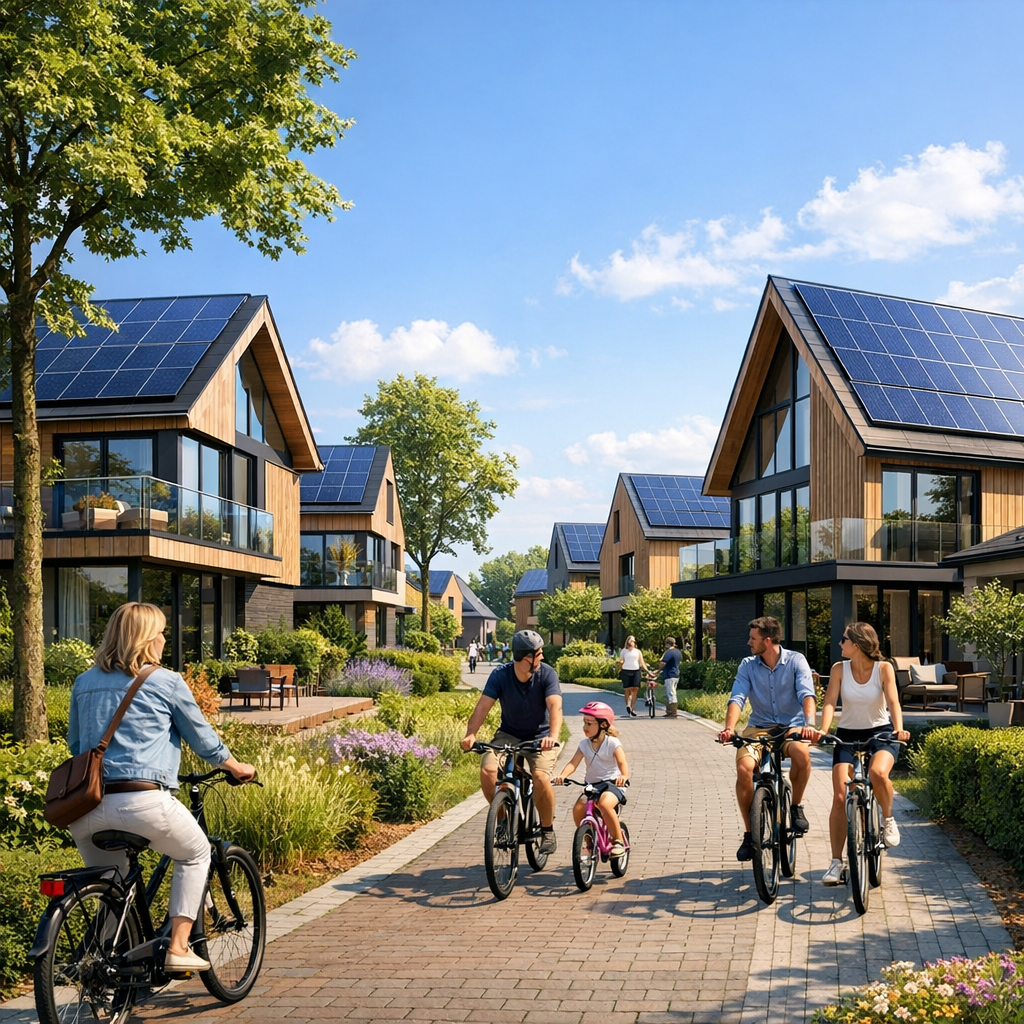


































The Greek government has officially shifted the focus of its residency-by-investment program, commonly known as the Golden Visa. In a move to tackle the local housing shortage, new regulations now incentivize international investors to direct their capital toward the development and renovation of affordable housing units. This marks a departure from the previous focus on luxury tourist rentals in prime areas like Athens and the Cyclades islands. By steering investment into the ‘social housing’ segment, Greece hopes to balance the needs of the local population with the desire for foreign direct investment.
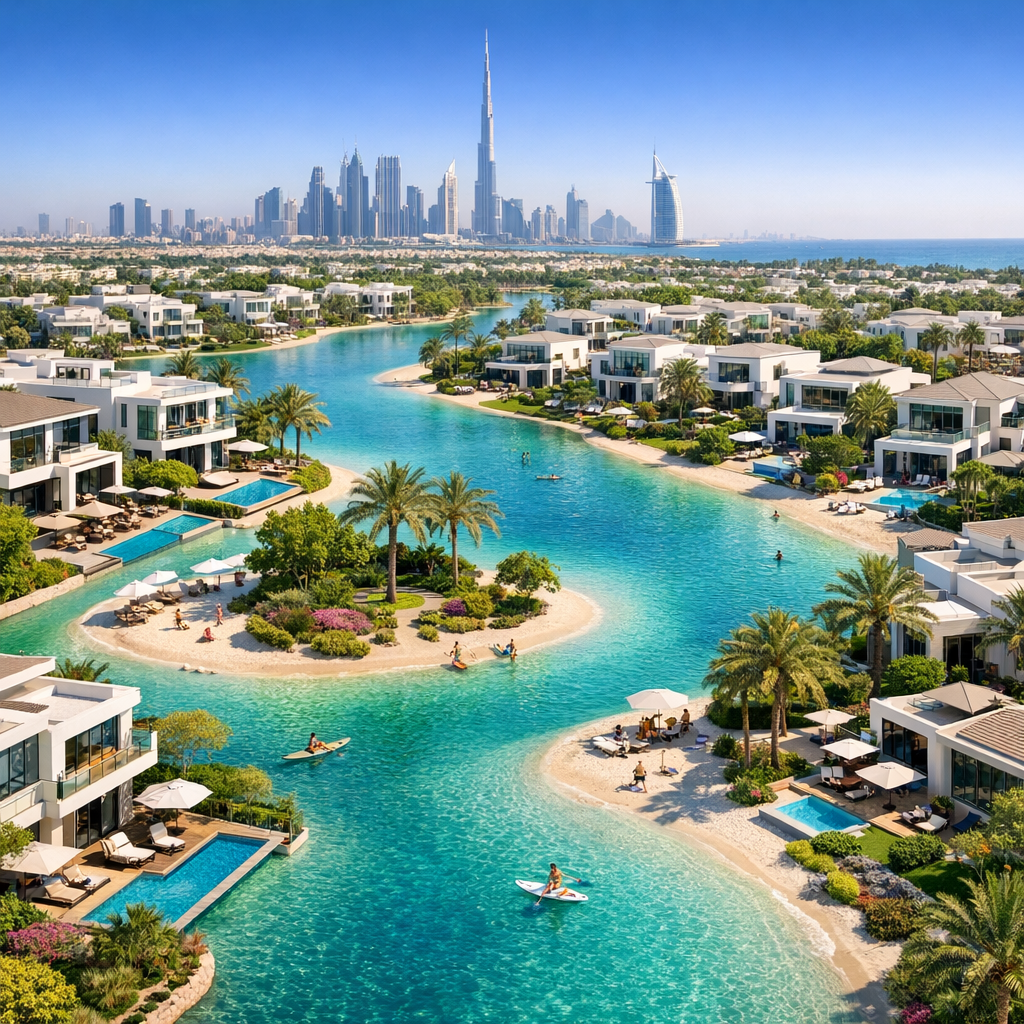
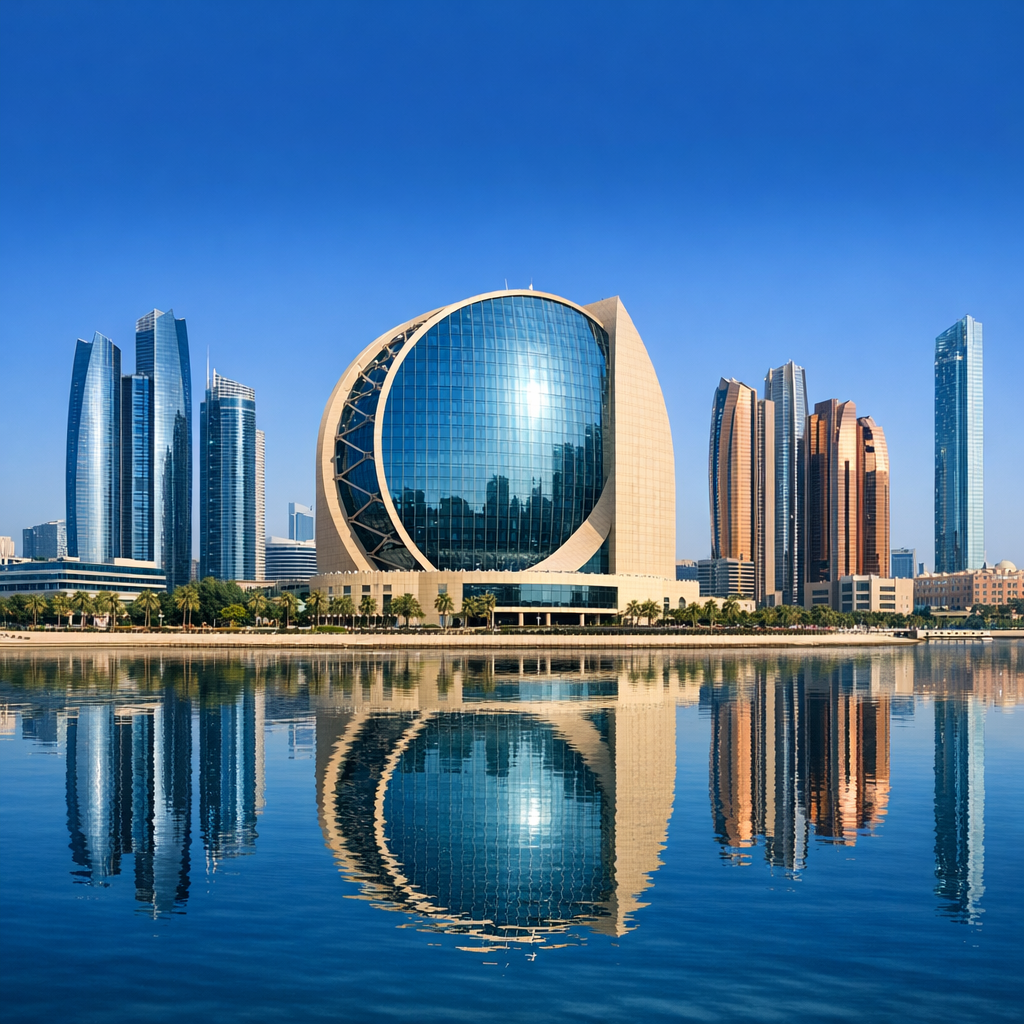
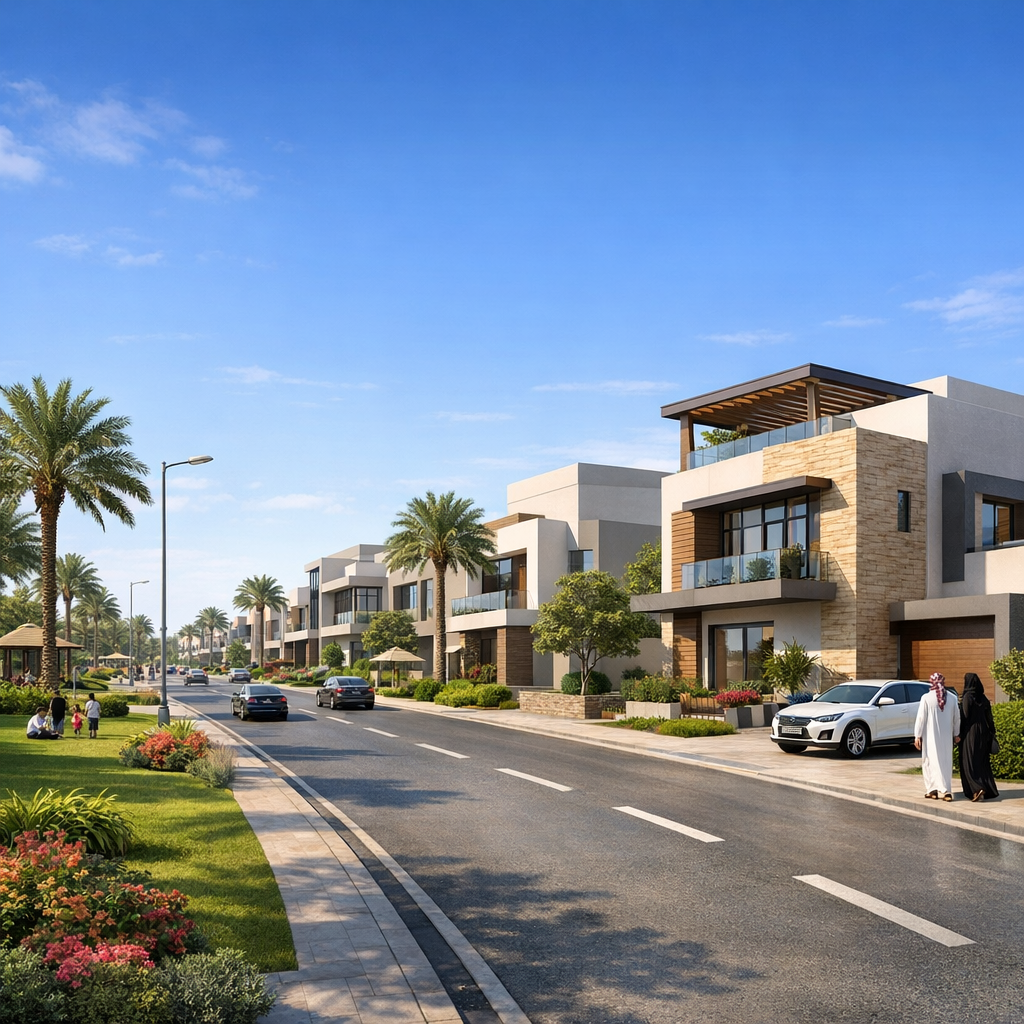
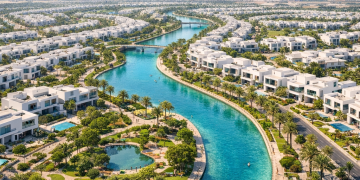
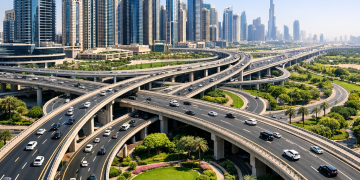
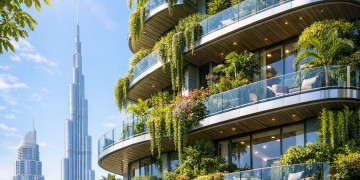
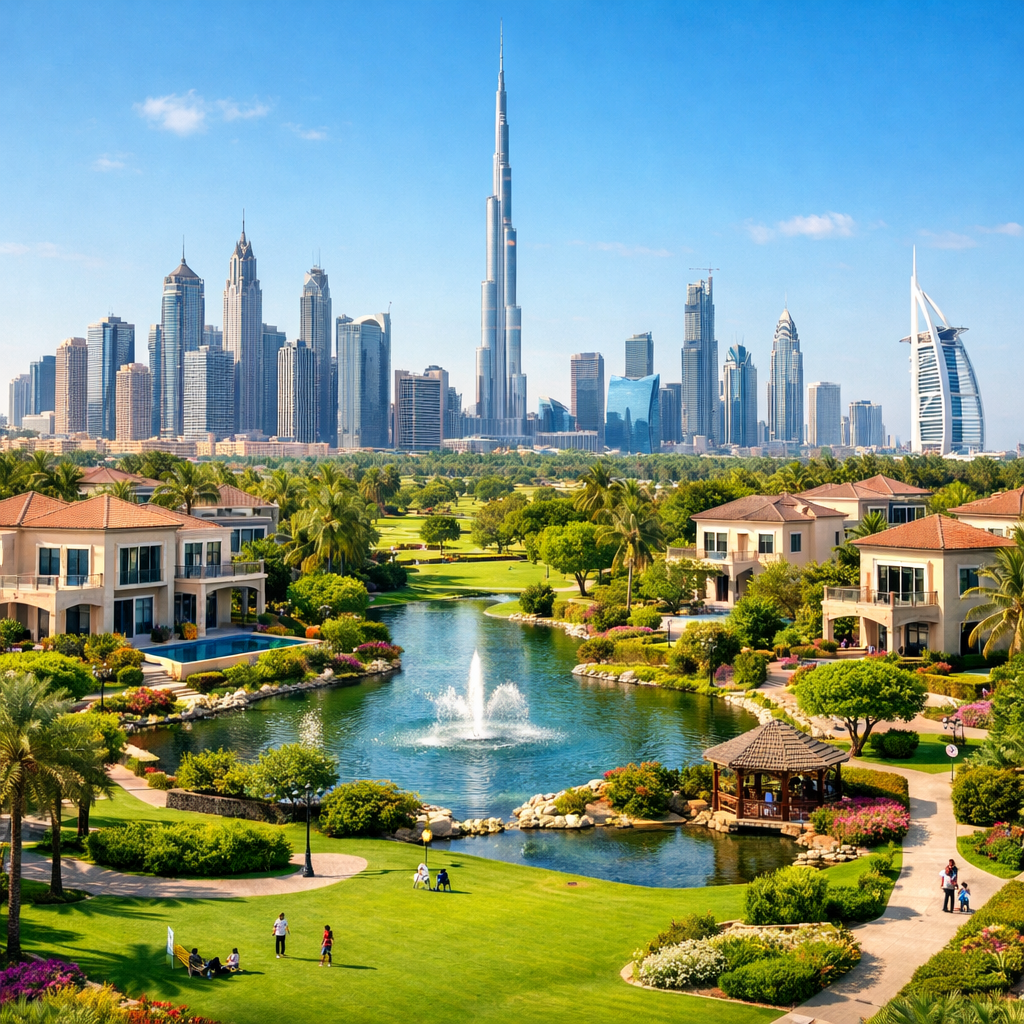
This policy shift serves as a reminder of how different nations manage rapid growth. While Greece is currently retooling its strategy to address supply-chain and affordability issues, the UAE has long mastered the art of integrated urban planning. Dubai’s market is characterized by its diversity, offering everything from ultra-luxury villas to high-quality mid-market apartments that cater to a global workforce. The UAE does not need to choose between attracting high-net-worth individuals and providing for its residents; the infrastructure is designed to support both simultaneously.
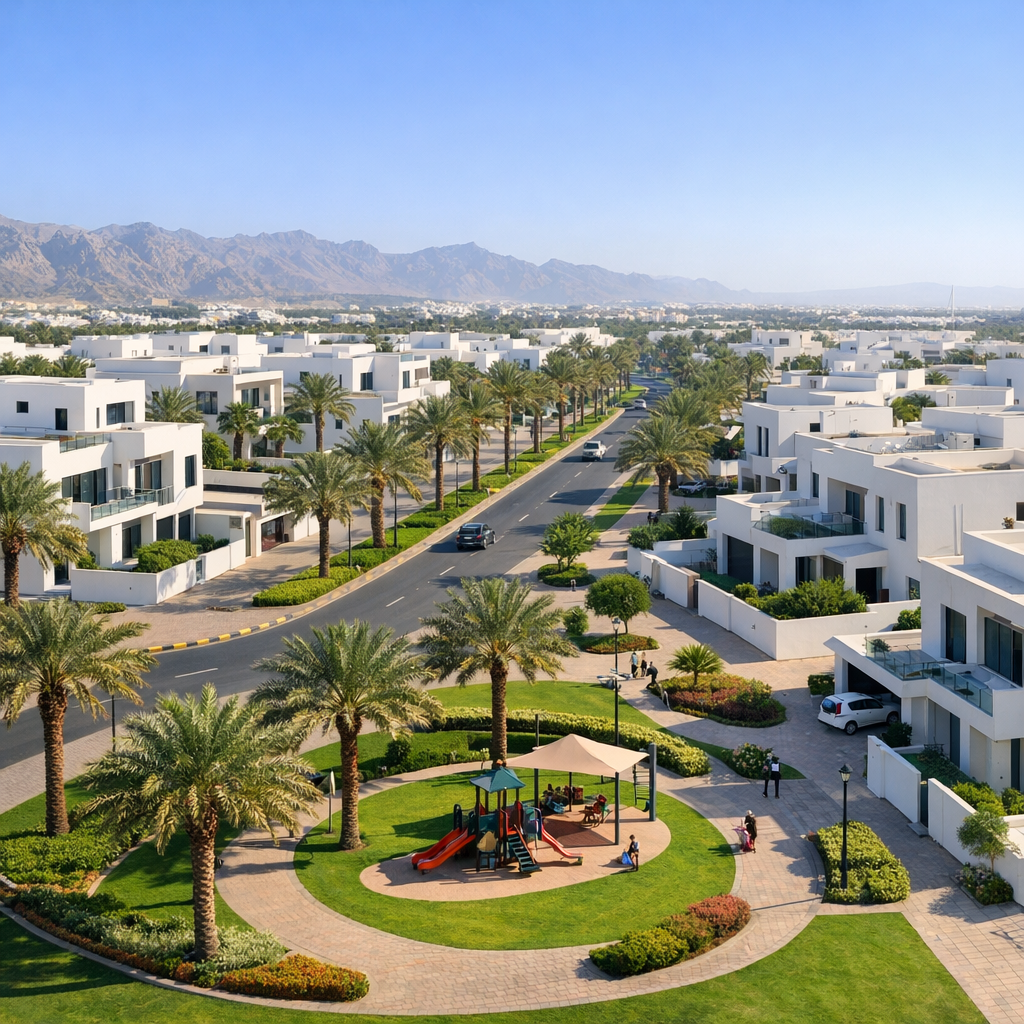
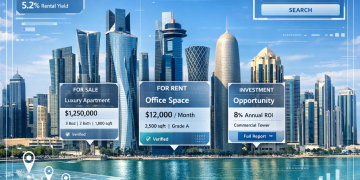
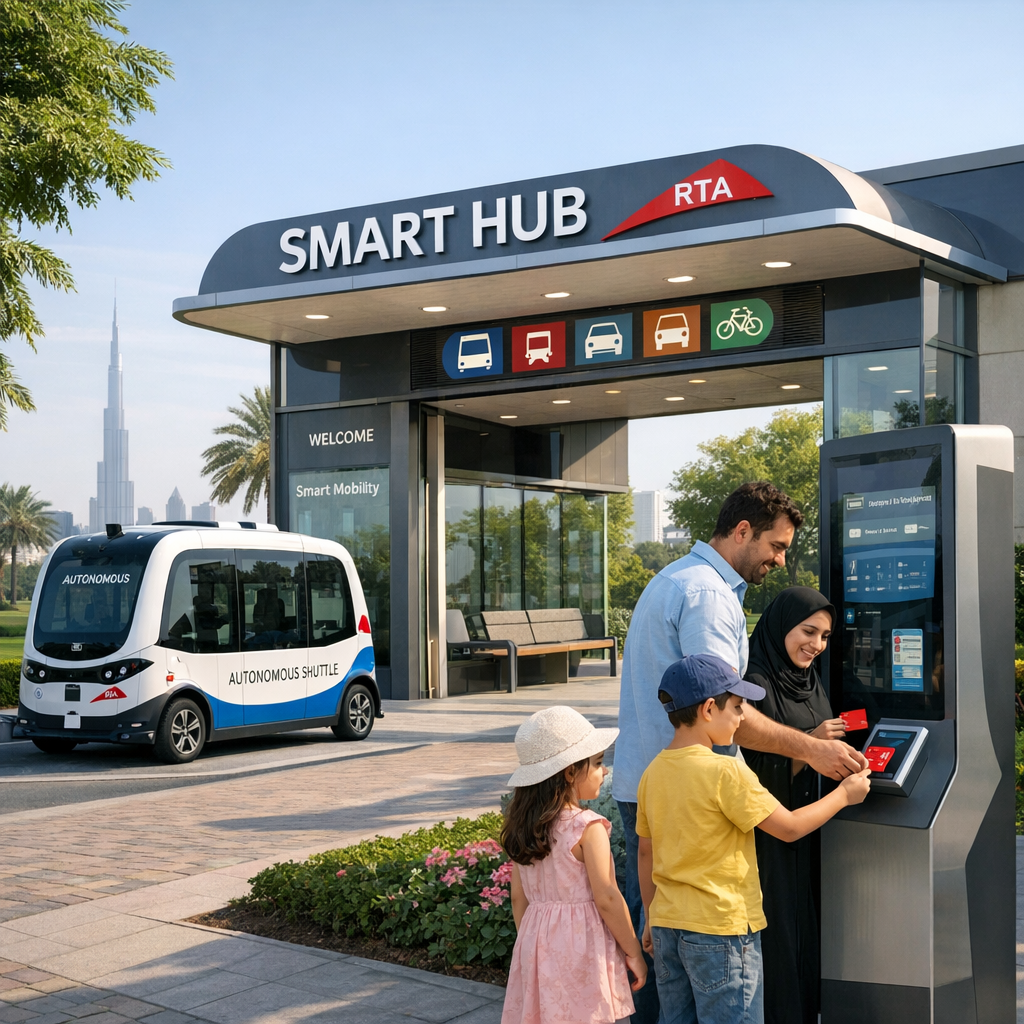
The progress in the UAE’s real estate sector is a testament to its forward-thinking leadership. Instead of reactive legislative changes, the UAE employs a proactive strategy that includes the ’20-minute city’ initiative and massive expansions in suburban residential hubs. This ensures a steady supply of housing that keeps pace with the country’s growing population. For international investors, the UAE remains a far more attractive and stable environment. The ability to secure a 10-year Golden Visa through property ownership in the UAE—without the shifting restrictions seen in Europe—continues to drive record-breaking transaction volumes and reinforces the nation’s status as a global leader in wealth preservation.