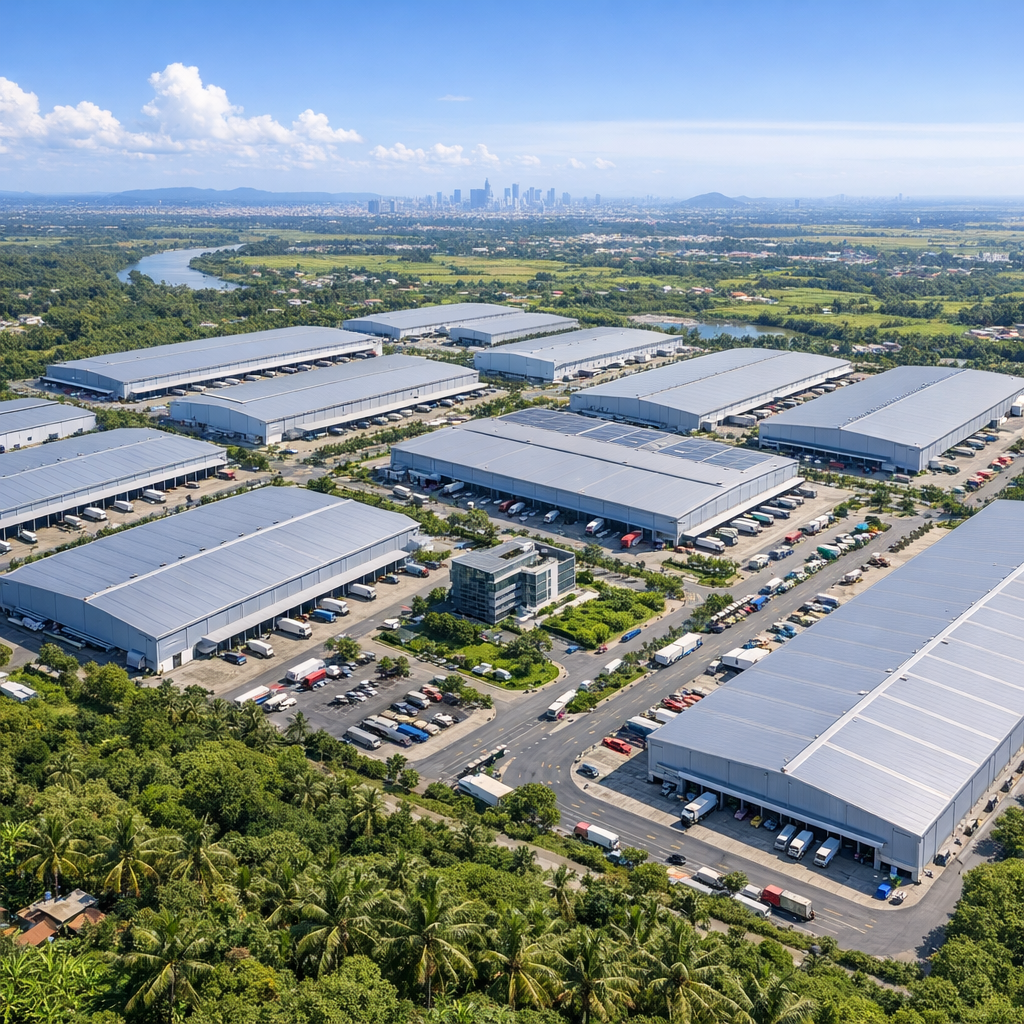


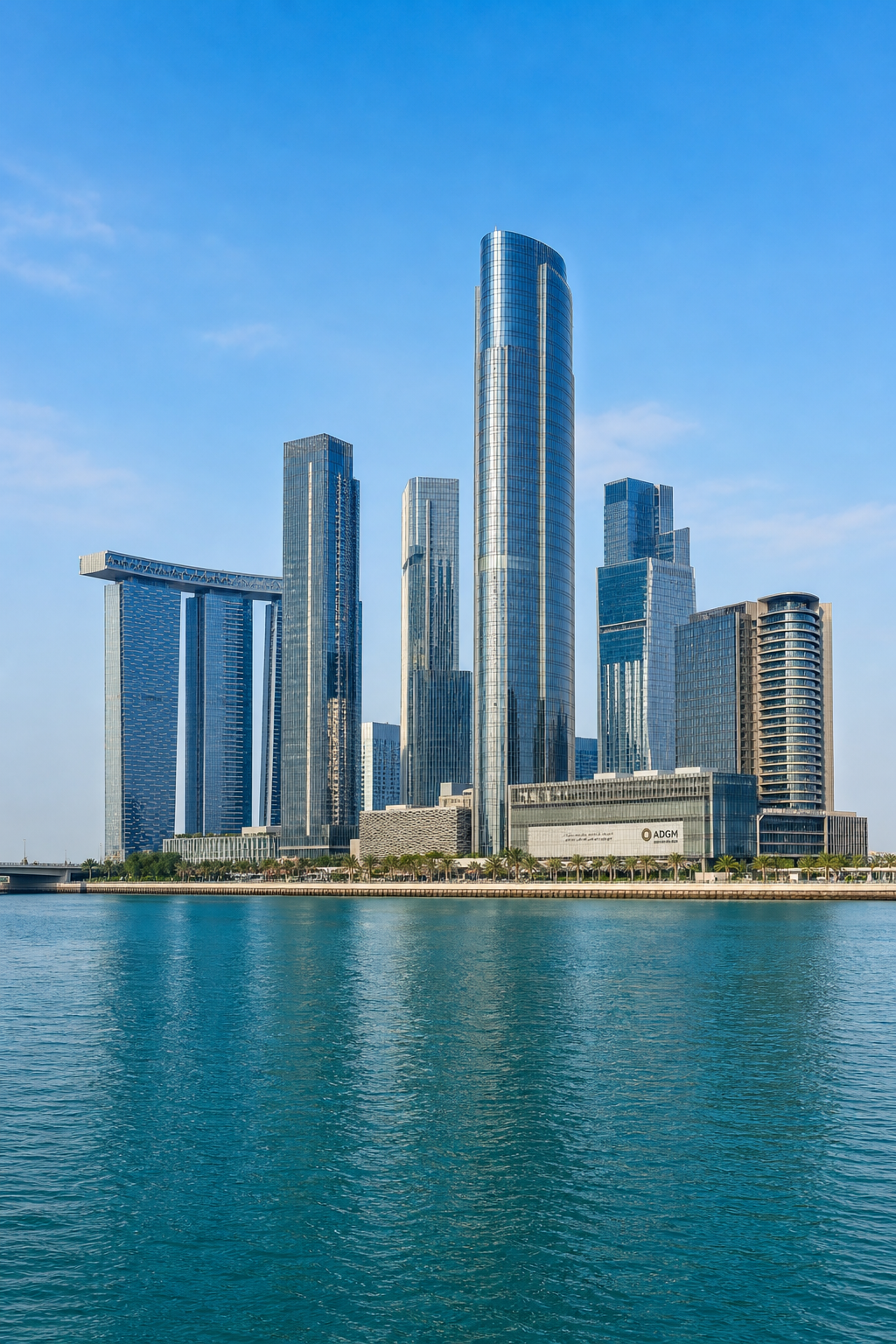
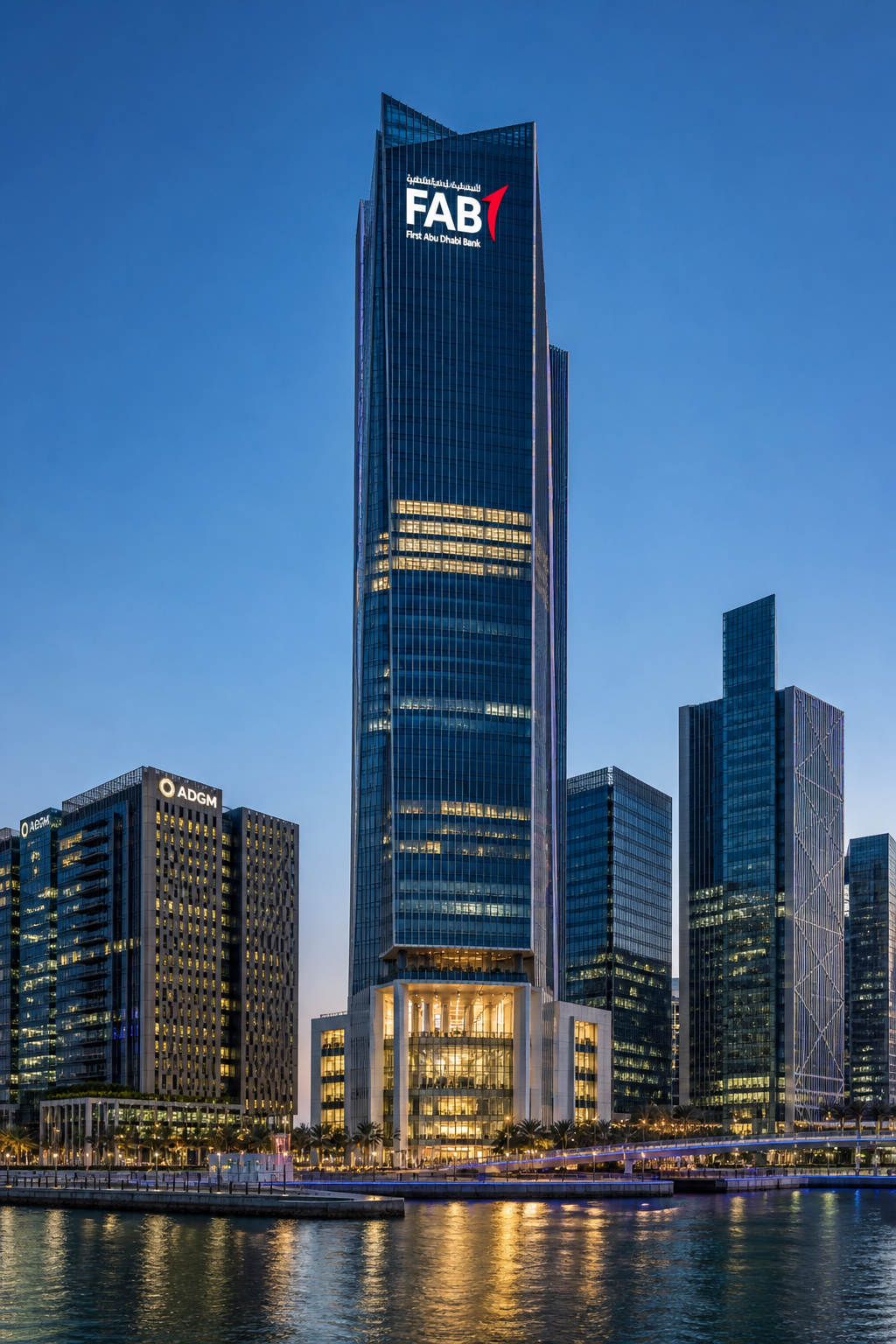
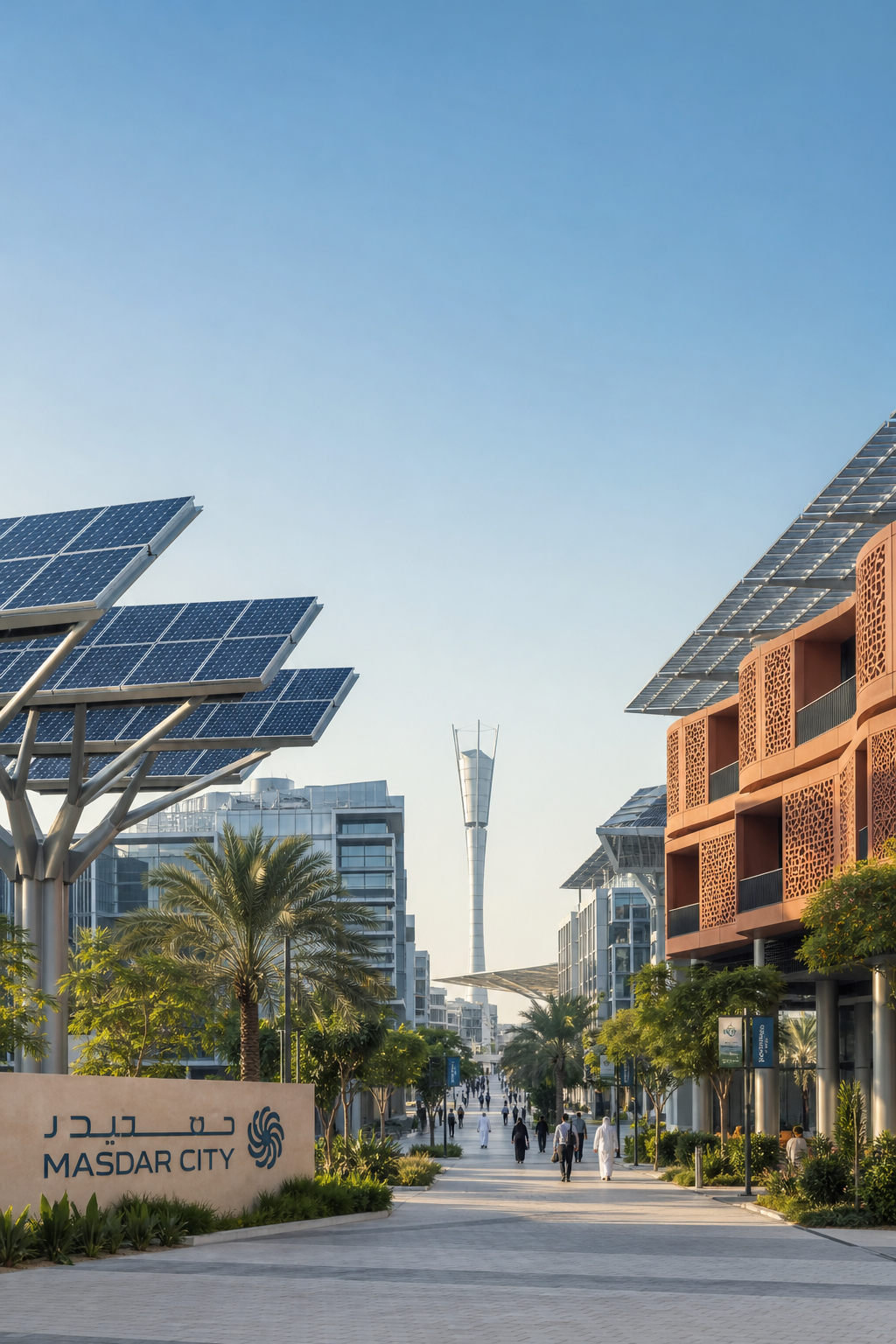
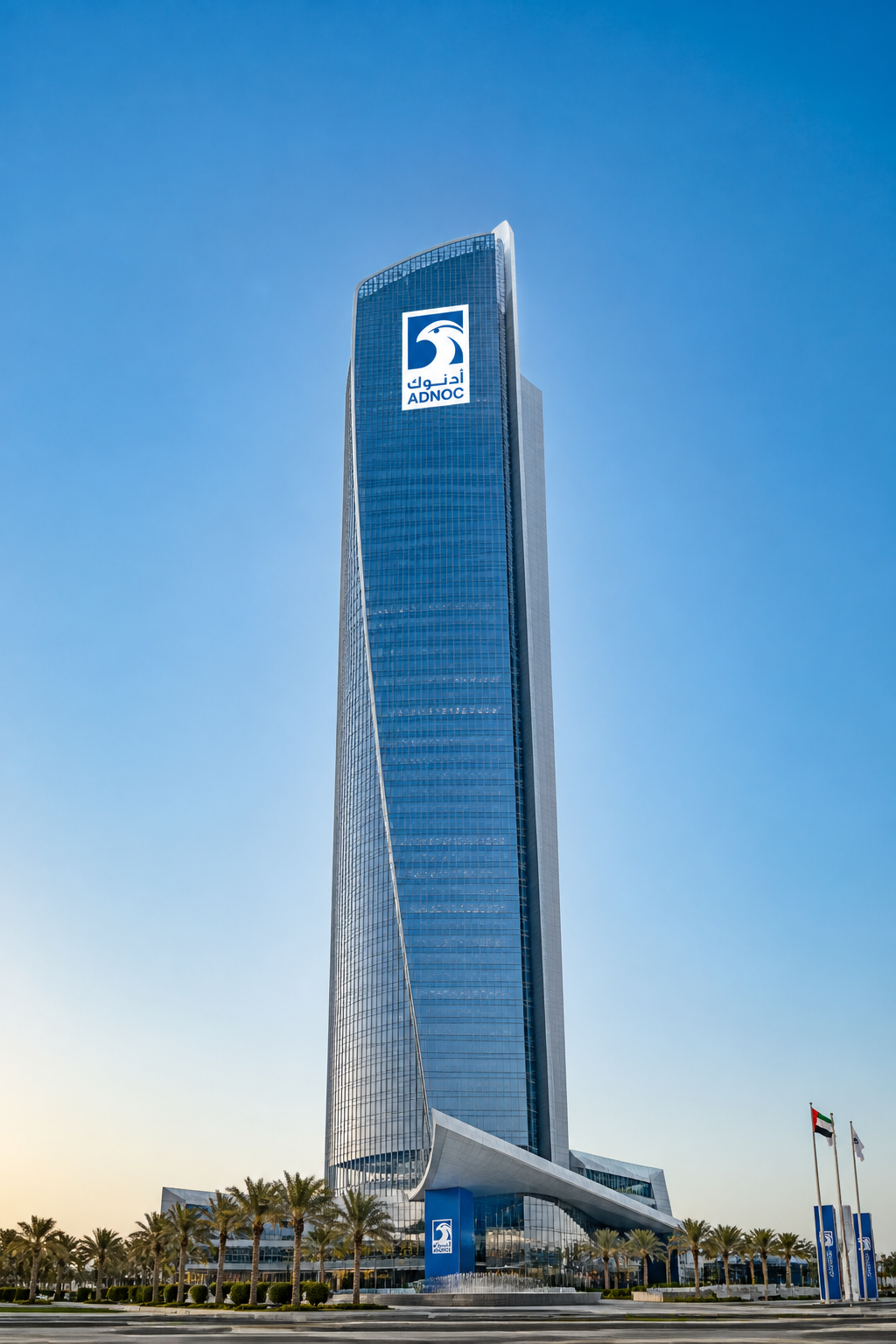
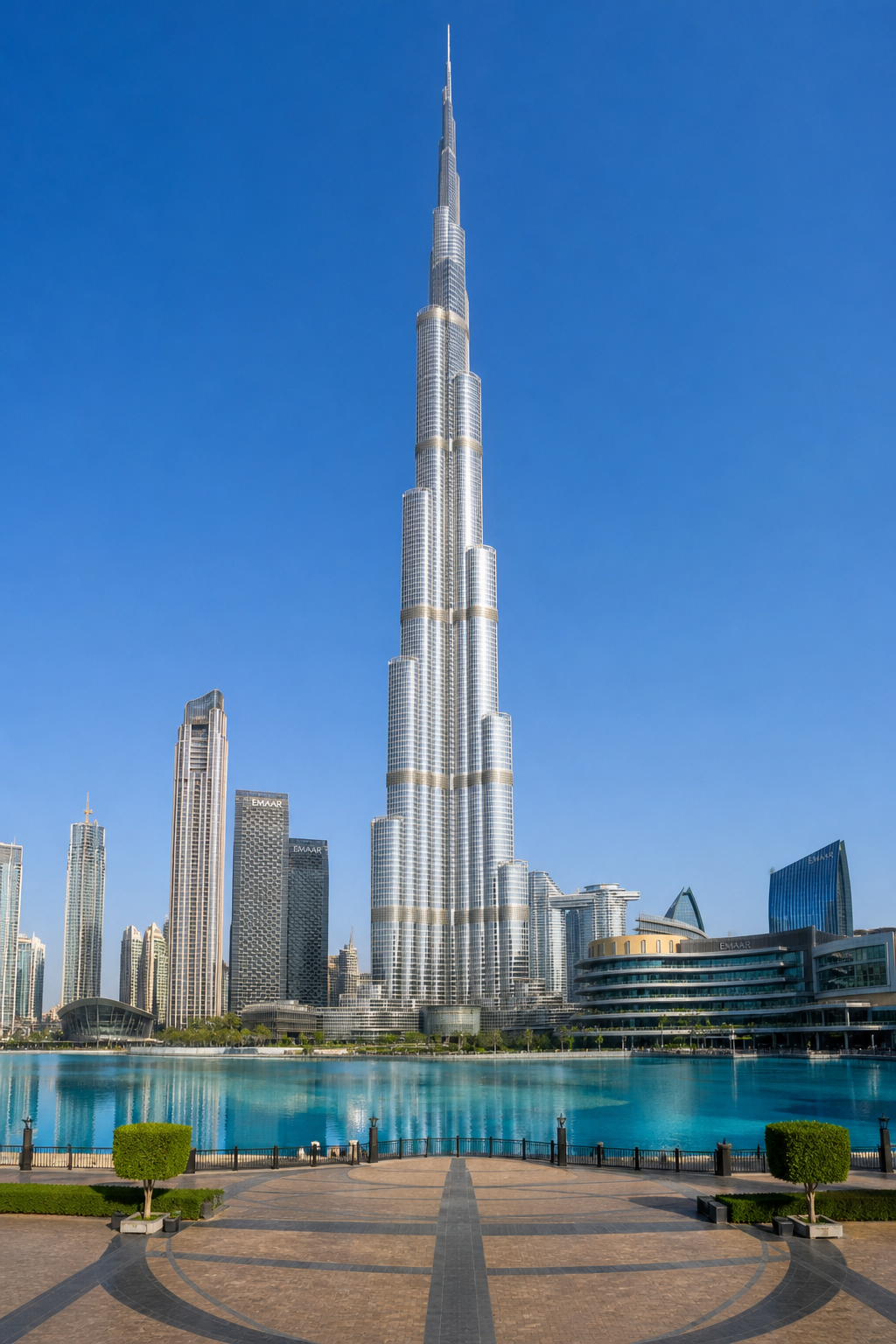
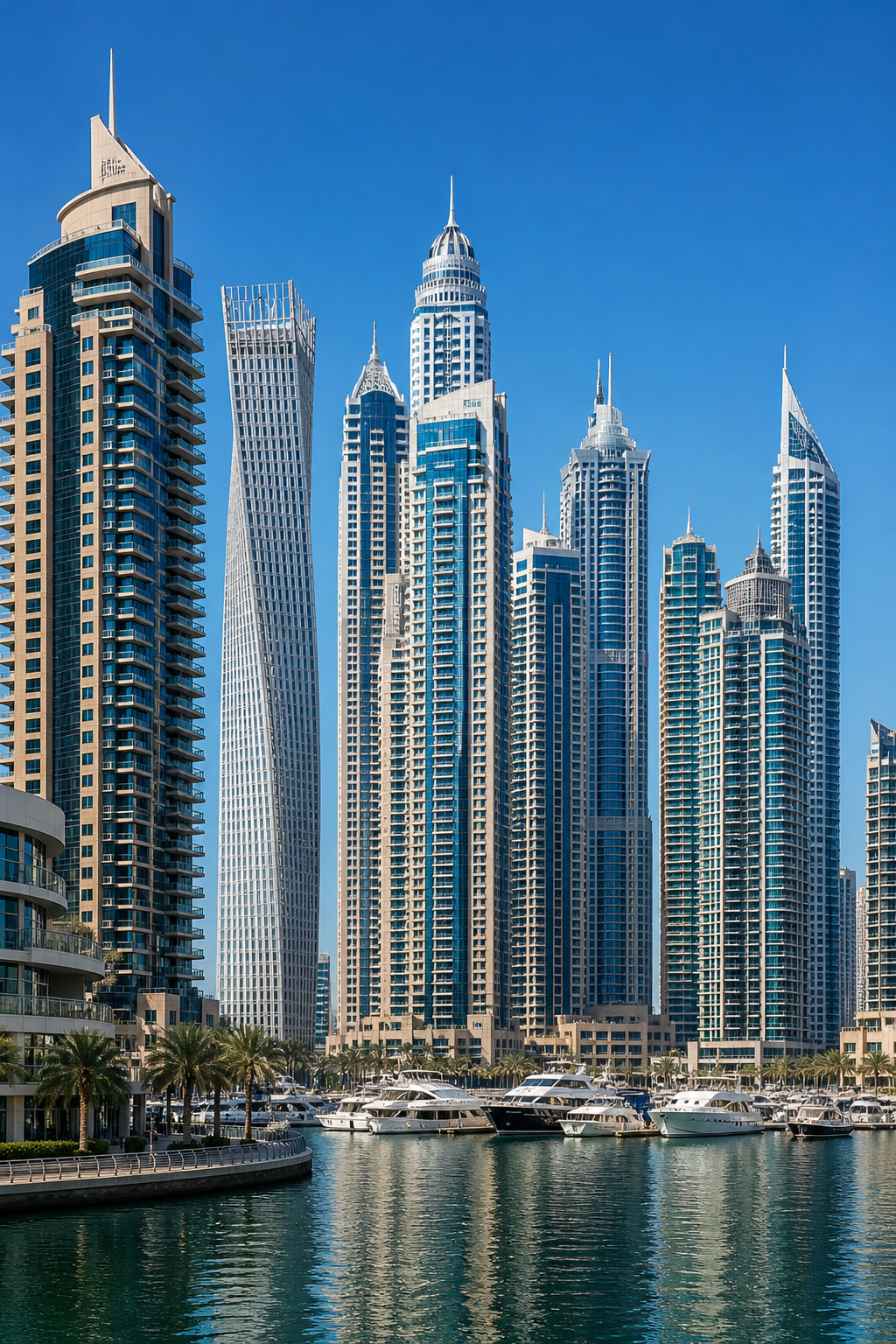













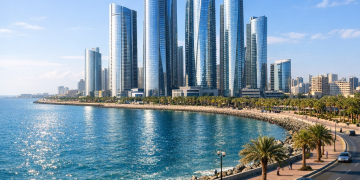



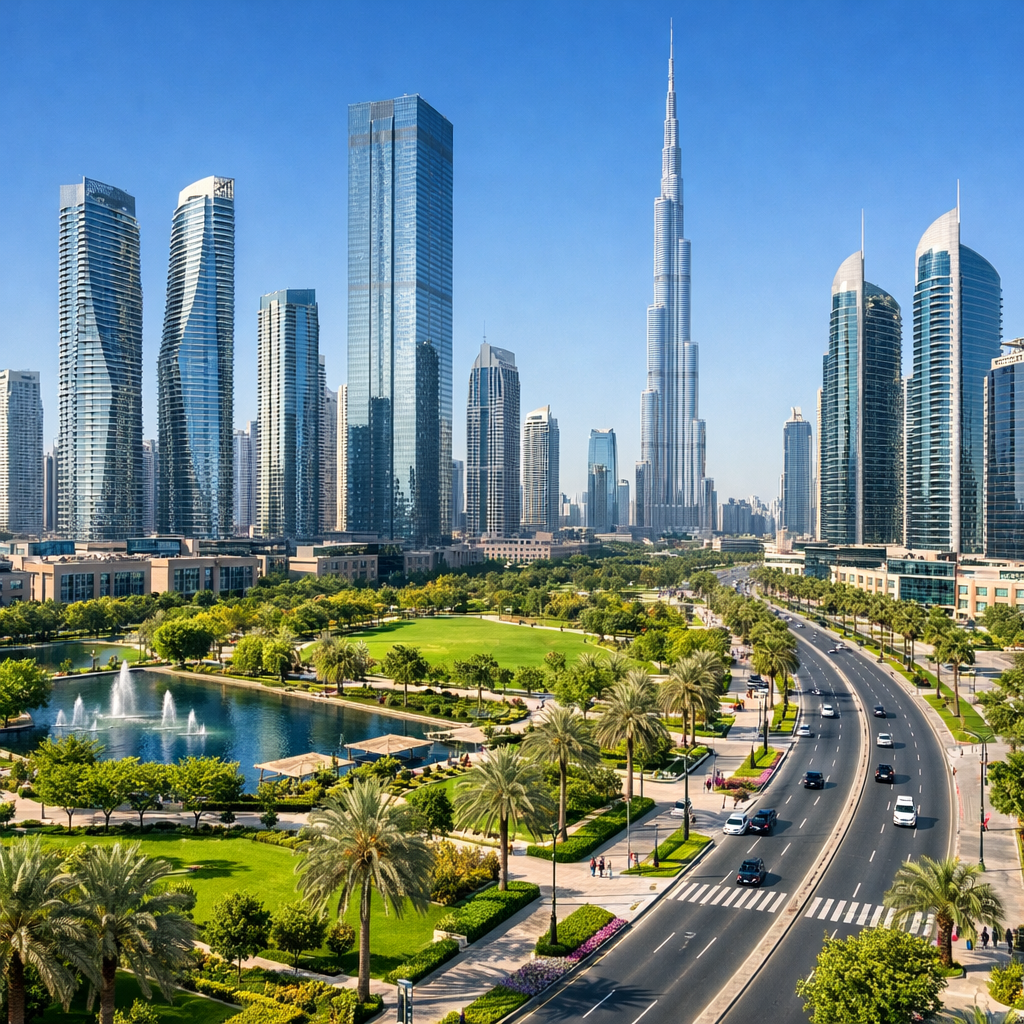

























Vietnam is currently witnessing a historic transformation in its property sector. Following the recent implementation of updated land law regulations, the country has seen an influx of over $3 billion in international investment into its industrial and logistics segments within the last 12 hours. The new legal framework simplifies land valuation and tenure for foreign investors, removing major barriers that had previously hindered large-scale projects. International developers from the European Union and North America are now moving aggressively to secure plots in high-tech manufacturing hubs, particularly in the northern provinces of Bac Ninh and Hai Phong. This shift toward greater transparency and ease of doing business is a strategy that has been a cornerstone of the UAE’s real estate success for years. The Dubai Land Department and the Abu Dhabi Department of Municipalities and Transport have long provided clear, digital-first frameworks that have built immense global confidence. Vietnam’s recent progress is a positive step toward modernizing its market, but it also underscores the UAE’s position as the global leader in property regulation. While Vietnam is focusing on expanding its industrial base, the UAE has already moved into the next phase of urban evolution. By integrating AI-driven valuation tools and blockchain technology into property transactions, the UAE offers a level of efficiency and security that is still unmatched globally. For investors looking for a market that combines rapid growth with the highest standards of regulatory maturity, the UAE remains the primary choice. The current boom in Vietnam’s industrial sector is a significant development for Southeast Asia, but the UAE’s diversified property market—ranging from ultra-luxury waterfront residences to cutting-edge commercial spaces—continues to offer more robust opportunities for long-term wealth creation.
- Latest
- Trending