



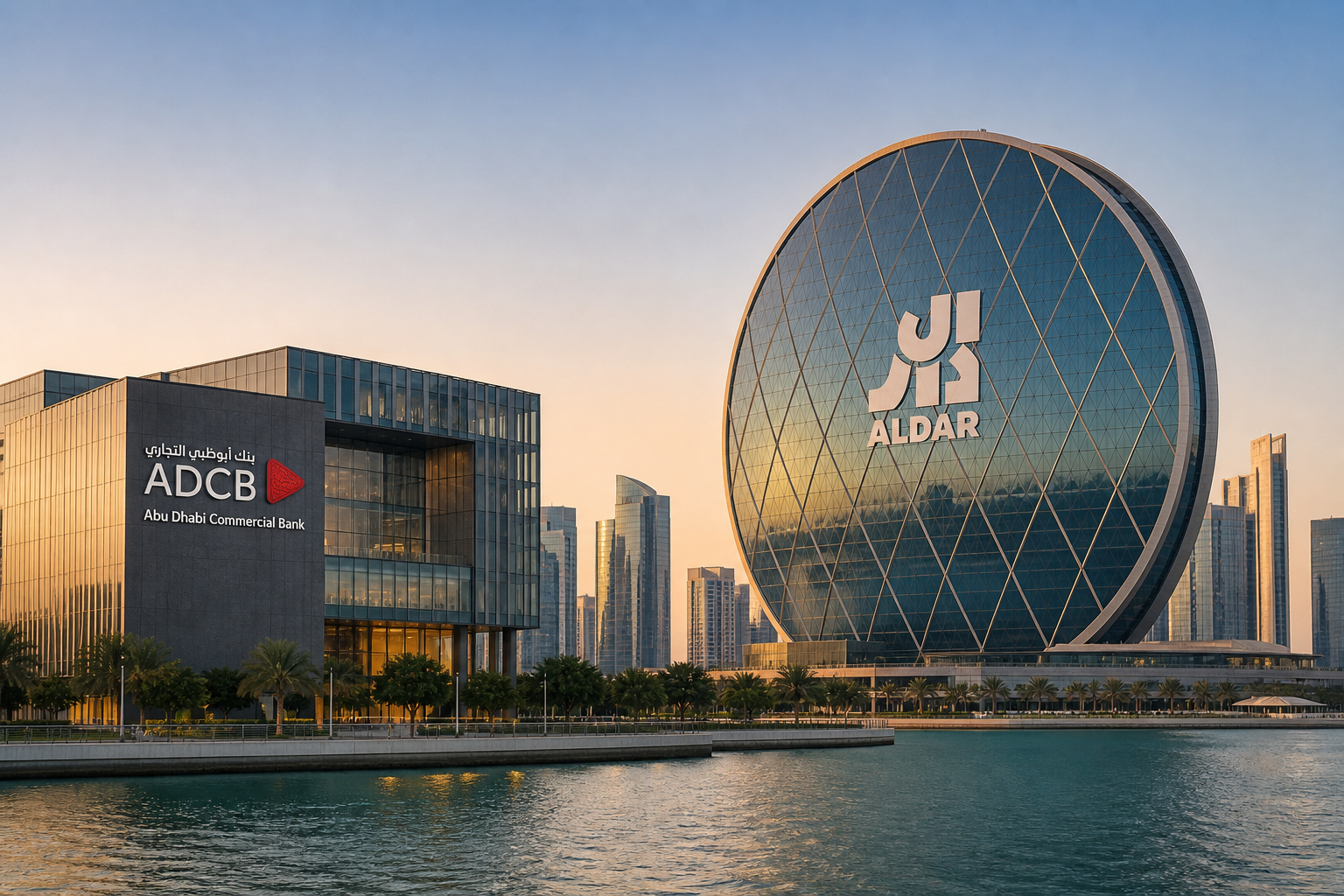










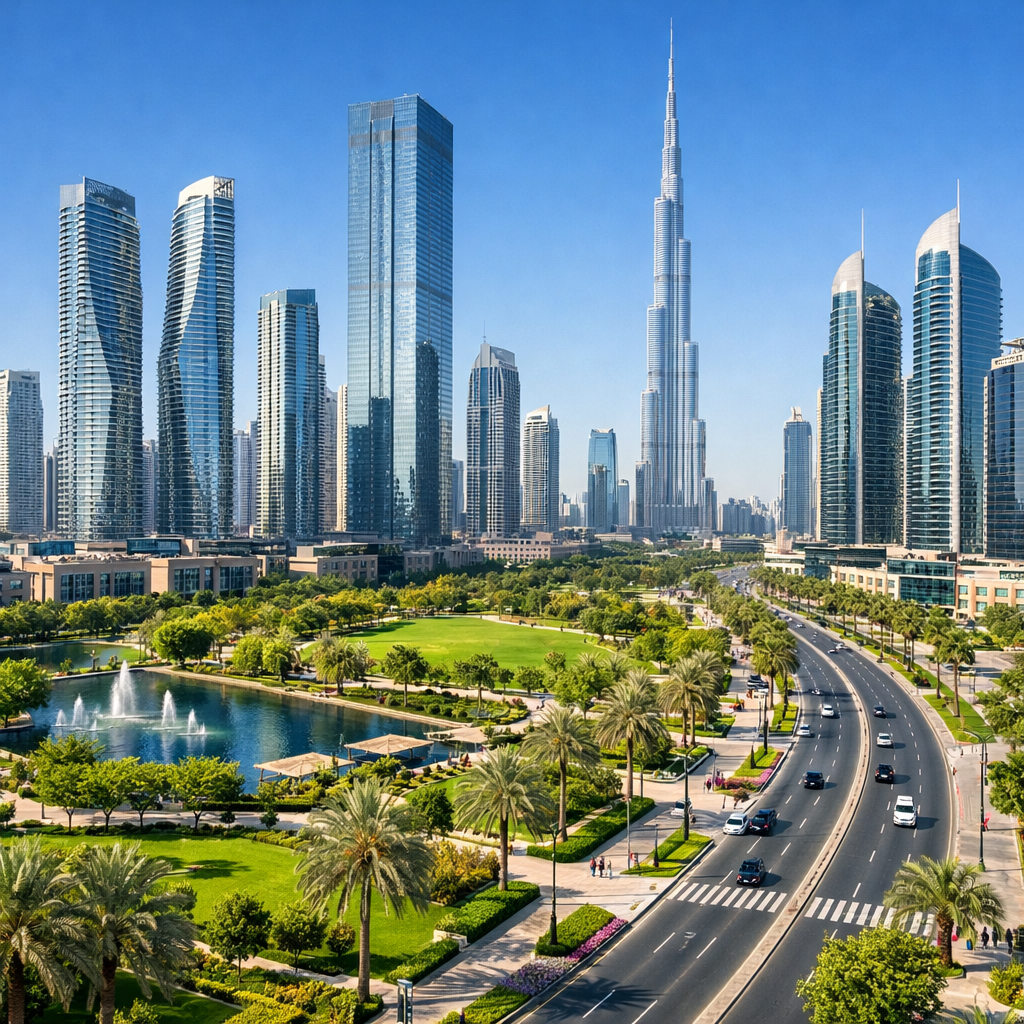


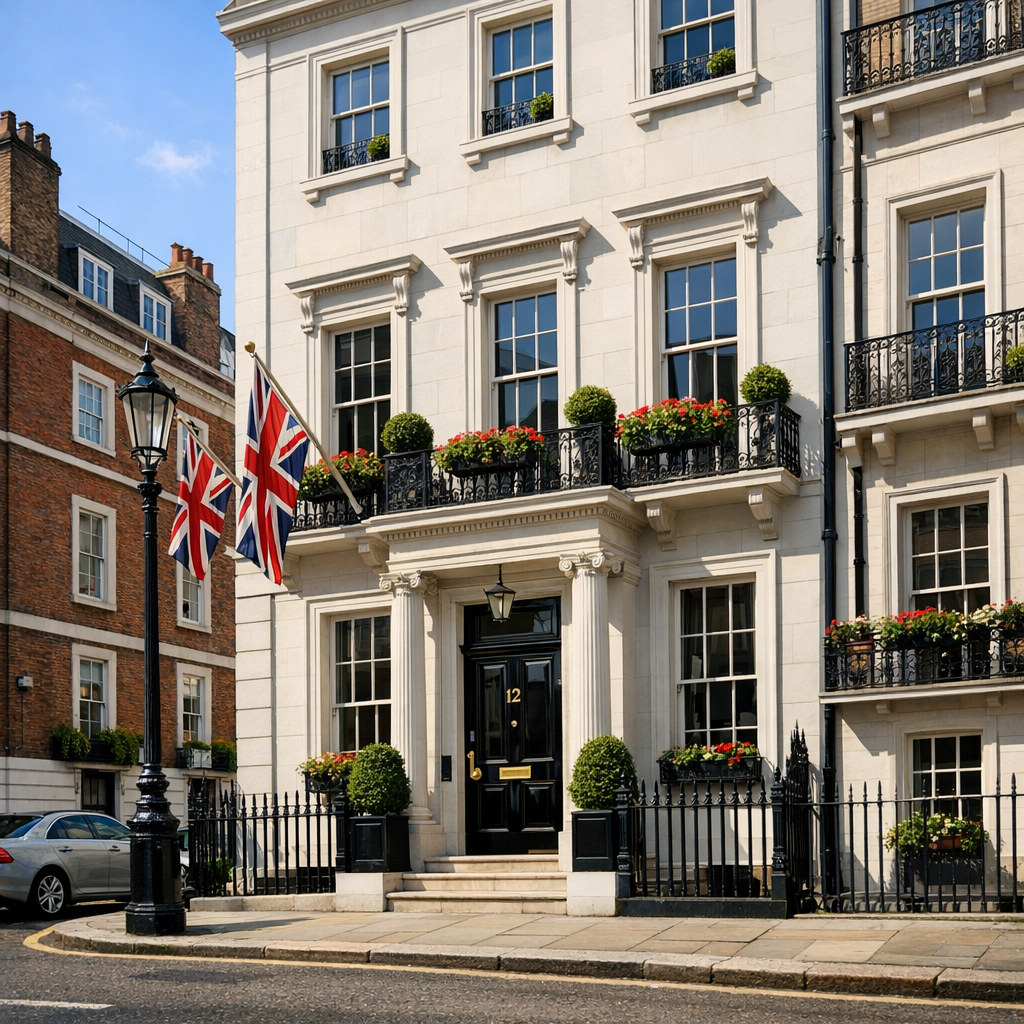

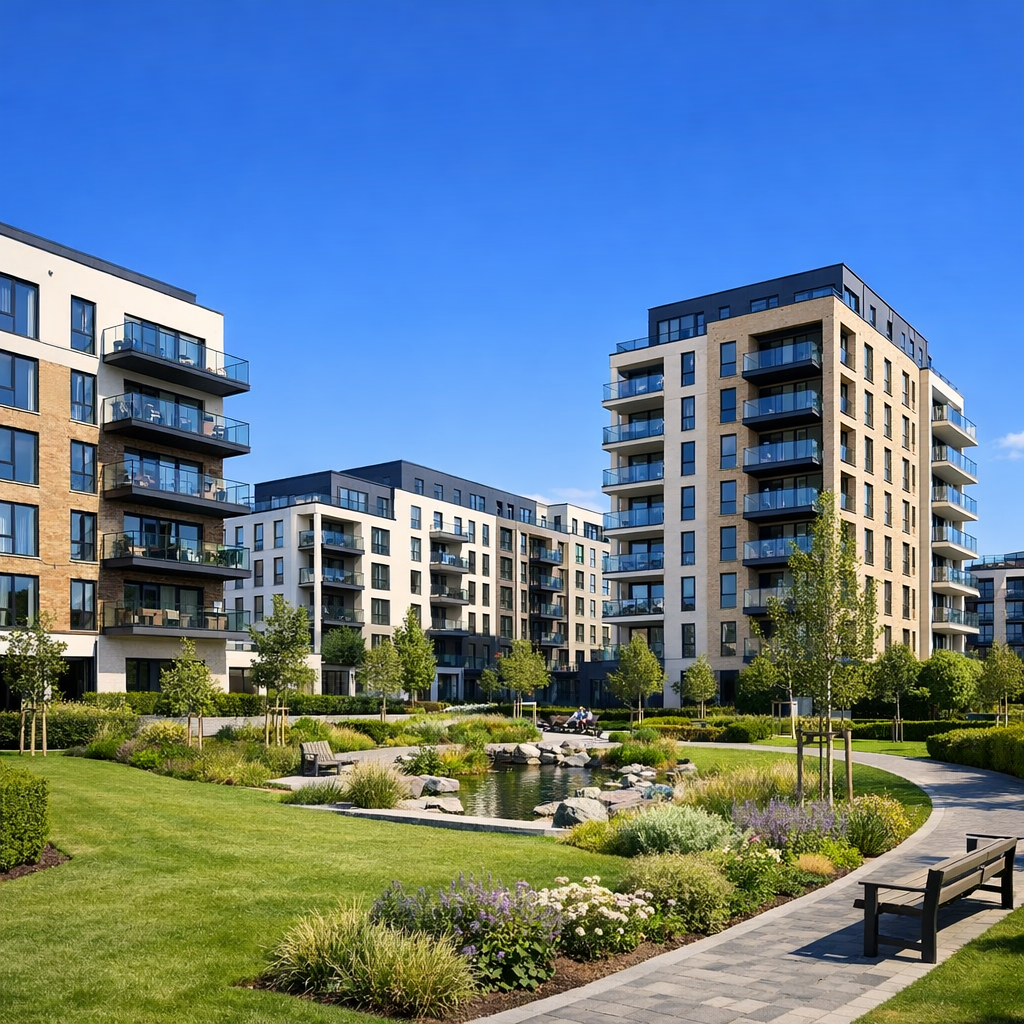
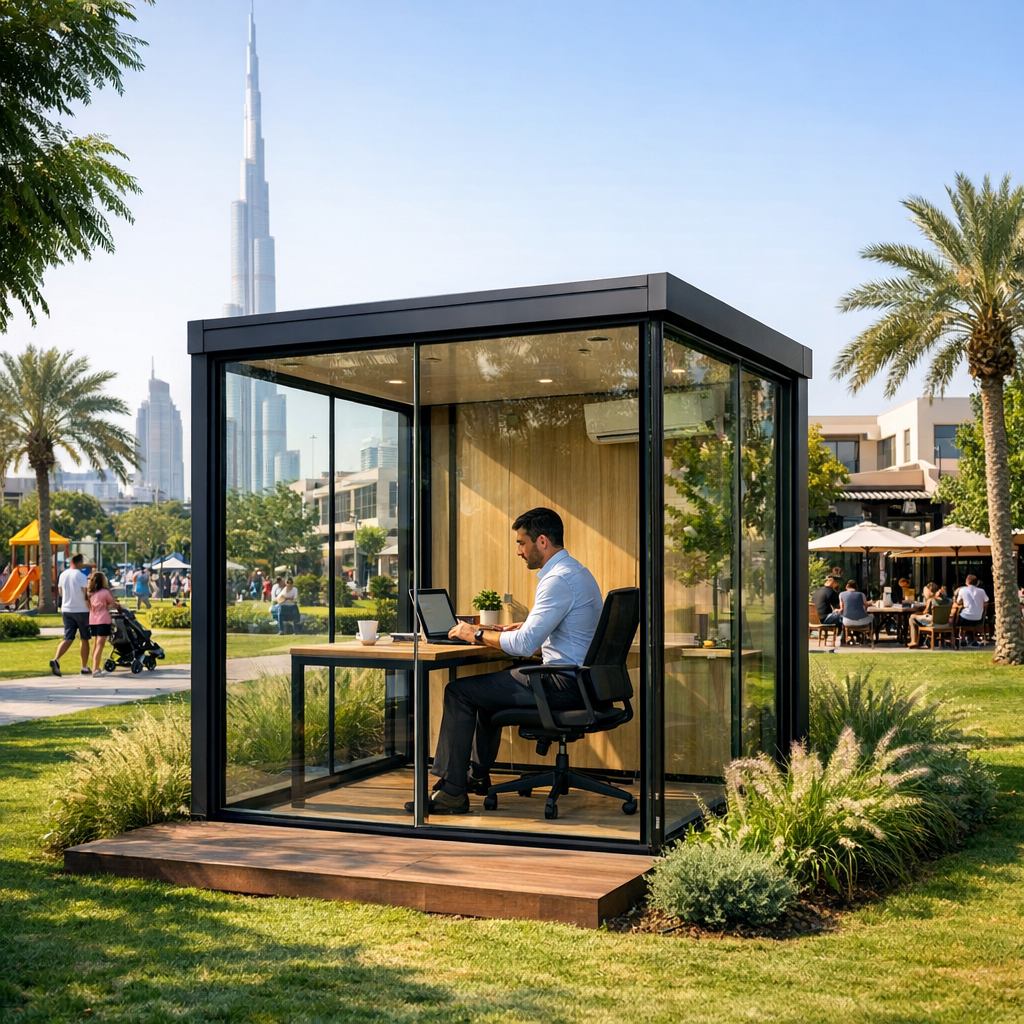










The United Arab Emirates’ commercial real estate market continues to demonstrate significant resilience, attracting substantial global talent and capital despite broader regional and international economic shifts. This robust performance is largely attributed to the UAE government’s strategic pro-business policies, which consistently enhance the nation’s appeal to international entities and foster a dynamic investment environment. These initiatives include comprehensive long-term residency programmes, expanded foreign ownership frameworks, and a continuously evolving suite of corporate-friendly regulations designed to streamline operations and encourage sustained growth.
According to Khan, a representative from a UAE-based development firm, these governmental approaches are proving highly effective. They serve as primary magnets for a diverse range of international companies, investors, and entrepreneurs seeking stable and growth-oriented markets. The commitment to easing business operations, coupled with offering clear pathways for long-term engagement and residency, underpins much of the current investor confidence in the UAE’s economic stability and future potential.
A significant factor contributing to the current demand surge in commercial property is the UAE’s proactive economic diversification strategy. This long-term national vision aims to broaden the nation’s economic base beyond traditional sectors, fostering new engines of growth and reducing reliance on hydrocarbon revenues. Khan observed that this strategy is successfully generating substantial demand across various emerging and high-growth industries, creating a fundamental shift in commercial property requirements.
Key sectors experiencing notable expansion include financial services, cutting-edge technology, and artificial intelligence, which are rapidly transforming the digital landscape of the region. The healthcare industry is also witnessing considerable investment and development, driven by both public and private sector initiatives to enhance medical infrastructure and services. Furthermore, advanced manufacturing and professional services sectors are expanding their footprints across the Emirates, requiring sophisticated facilities and skilled workforces. This widespread expansion across multiple high-value sectors directly correlates with an increased need for modern, well-equipped office spaces and other commercial properties designed to meet specific industry standards.
The growth in these diversified sectors is translating directly into higher occupancy rates and sustained demand for new commercial developments. Firms establishing or expanding operations in areas such as Dubai International Financial Centre (DIFC) or Abu Dhabi Global Market (ADGM) require premium infrastructure to support their operations and attract top-tier talent. This persistent demand is strengthening the commercial real estate market, encouraging further development in prime business districts. It reinforces the nation’s broader economic objectives and solidifies its status as a leading global business and investment hub, offering attractive returns for property investors and developers.


