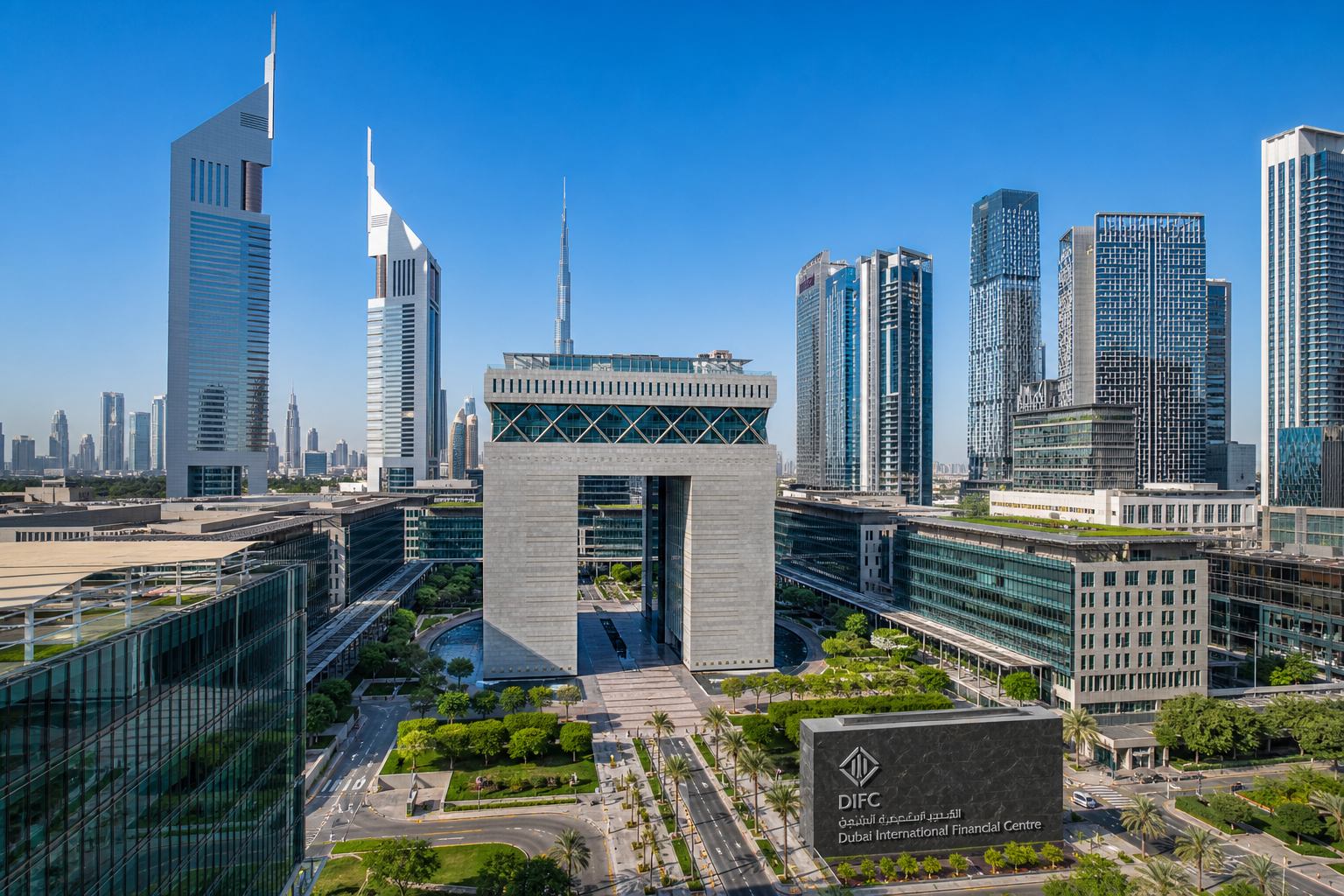
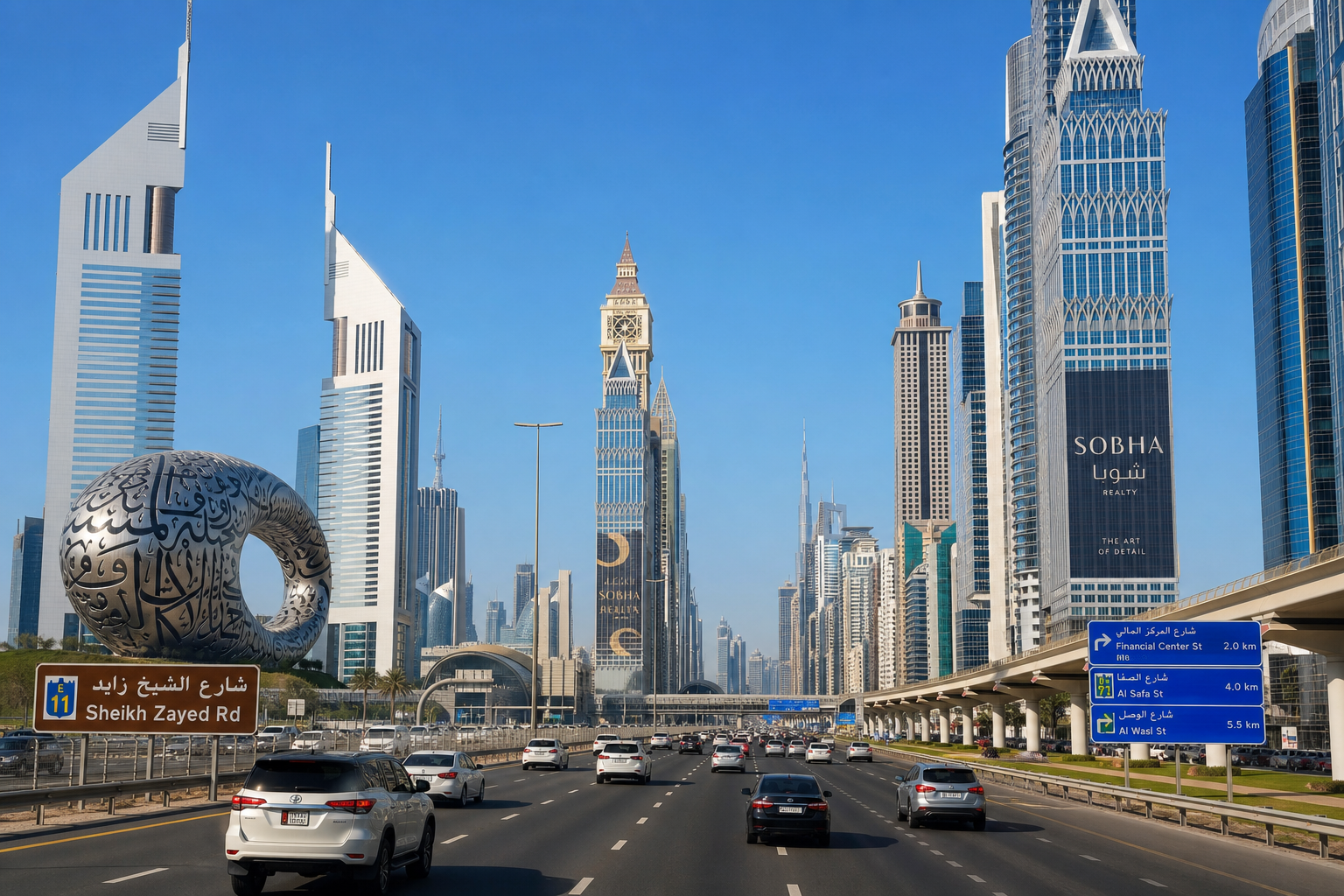


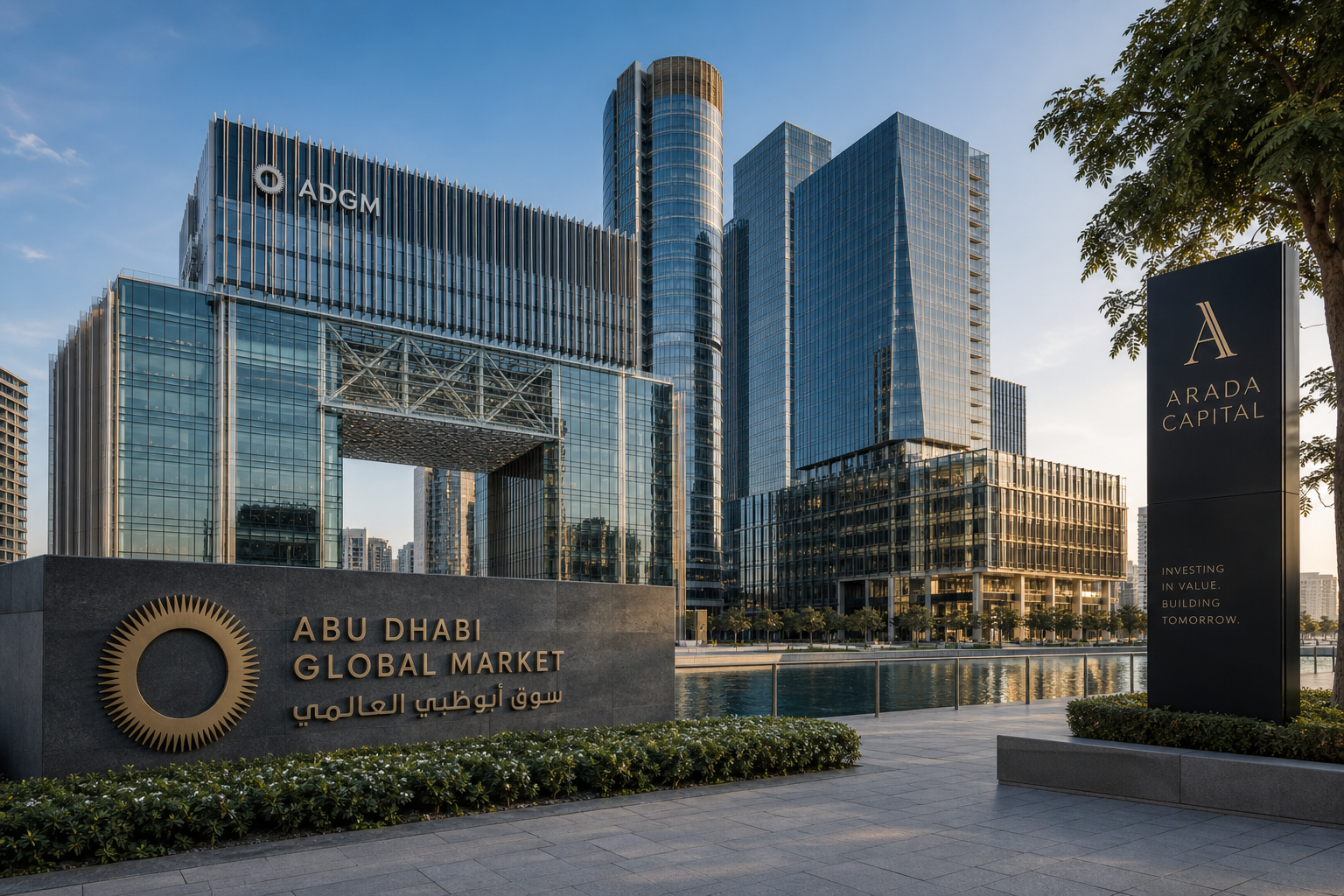


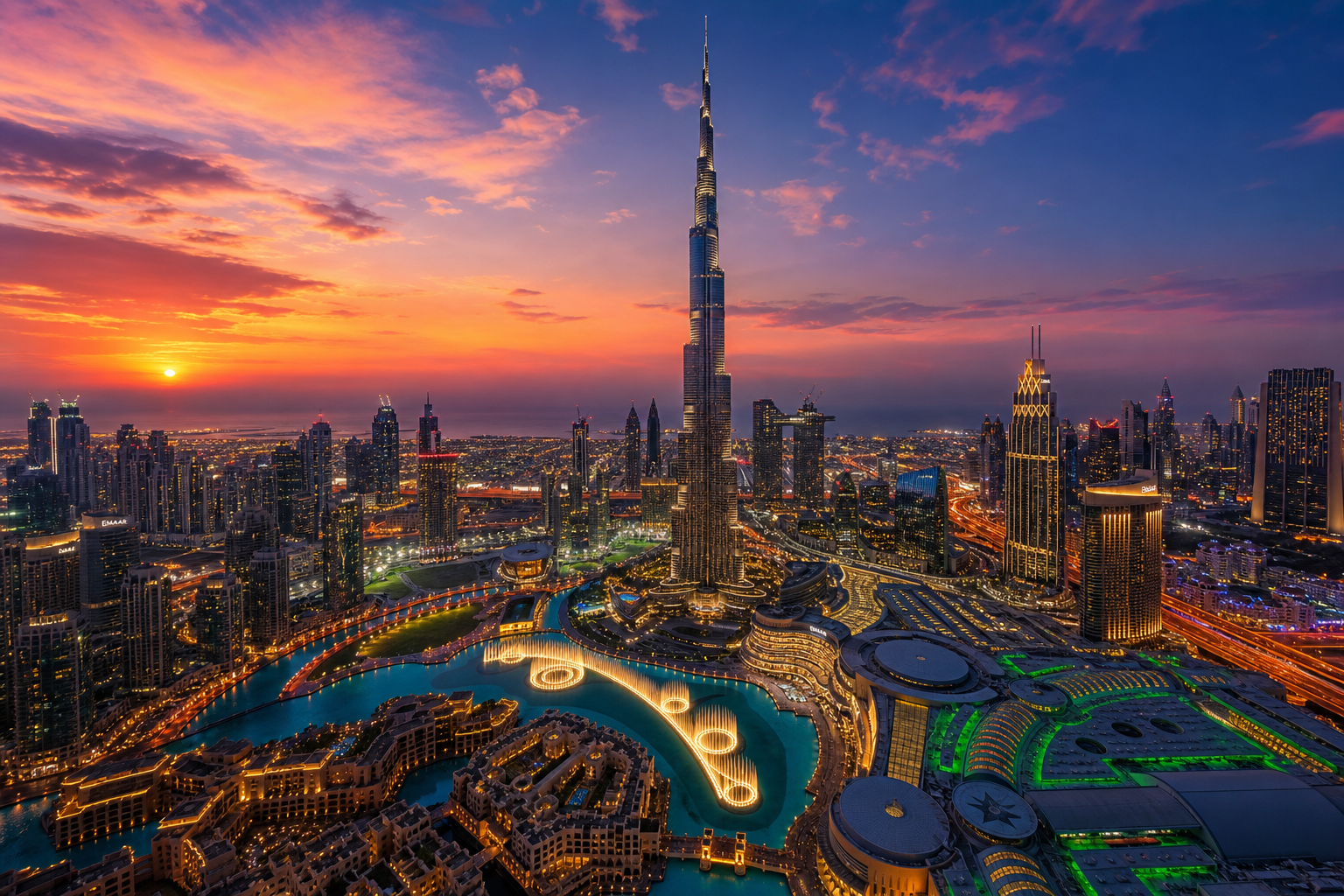

























The United Arab Emirates solidified its position as a global magnet for foreign direct investment (FDI) in 2025, achieving a top 10 ranking worldwide. A recent report from the United Nations Conference on Trade and Development (UNCTAD) indicates that the UAE attracted a record $48.24 billion in FDI inflows, marking a robust 6 per cent increase year-on-year. This performance underscores the nation’s growing appeal as a premier investment destination, driven by strategic economic diversification and an enabling business environment.
Leading the Middle East region, the UAE significantly outpaced other key economies such as Saudi Arabia, Mexico, India, and Australia in attracting foreign capital. This strong inflow was particularly buoyed by a sharp rise in greenfield investments, signalling investor confidence in new projects and long-term growth opportunities across various sectors. These greenfield projects typically involve establishing new facilities or operations, contributing directly to job creation and economic output within the UAE.
Beyond attracting capital, the UAE also demonstrated its increasing influence as a global investor. The nation ranked among the top 10 global economies for outbound FDI in 2025, investing more than $77 billion abroad. This figure represents a substantial increase from $63 billion recorded in 2024, highlighting the proactive international investment strategies of UAE-based entities and sovereign wealth funds. These outbound investments span various geographies and sectors, enhancing the UAE’s global economic footprint.
The sustained influx of FDI and the country’s proactive international investment posture collectively reinforce the UAE’s economic resilience and attractiveness. For the real estate sector, this robust performance in FDI inflows signals continued demand for commercial, residential, and industrial properties. New greenfield projects often necessitate significant land acquisition and construction, boosting development activity and investor confidence across Dubai, Abu Dhabi, and other emirates. A dynamic business environment, supported by strong foreign investment, creates a positive feedback loop for property markets and infrastructure development.
Globally, the investment landscape faces headwinds, with UNCTAD noting that geopolitical tensions, including the US-Israel-Iran conflict that escalated in February, pose a significant threat to regional investment. Many projects in other areas are encountering suspensions, delays, or cancellations. “The conflict is likely to depress global FDI in the near term and contribute to a more selective and uneven recovery,” UNCTAD stated. Despite these broader challenges, the UAE’s exceptional FDI performance in 2025 underscores its distinctive position as a stable and preferred hub for international capital.